Every successful farming journey begins with curiosity, research, and the willingness to step outside one's comfort zone. For Santosh Ojha from Lucknow, Uttar Pradesh, agriculture was never part of his professional background. Coming from the pharmaceutical industry, where research and analysis play a central role, Santosh approached farming with the same mindset—study first, understand the technology, and then invest.
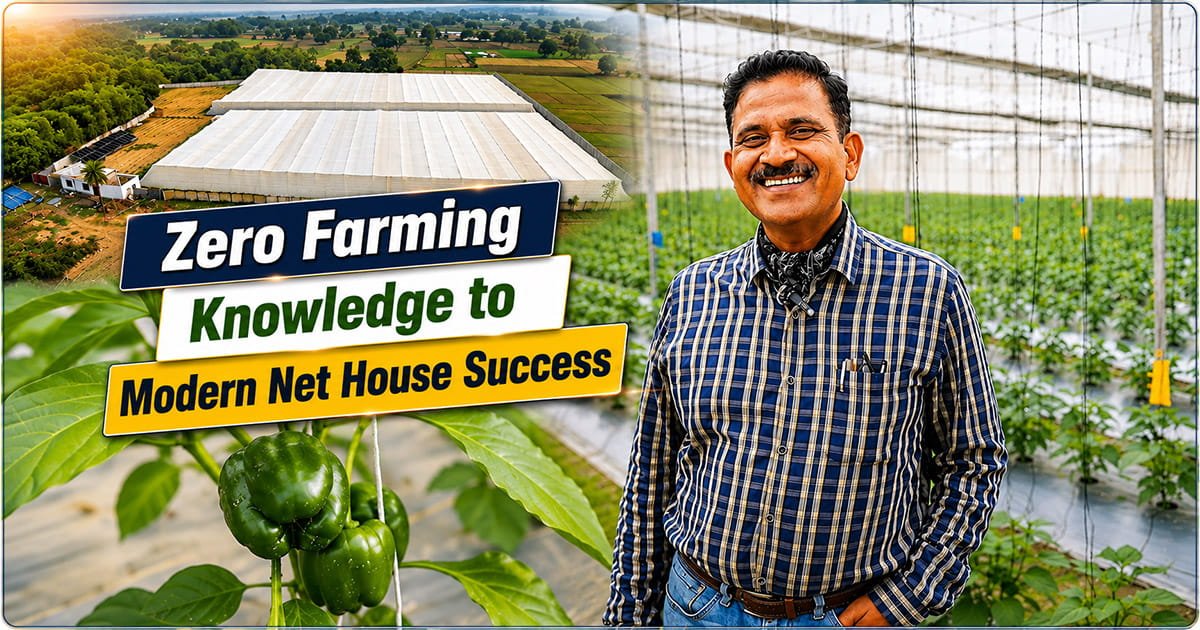
Today, Santosh successfully manages a 2-acre double-shaded net house and is already planning major expansion in the coming years. His journey demonstrates how protected cultivation is creating opportunities for individuals from diverse backgrounds to build sustainable and profitable agricultural enterprises.
Meet Santosh Ojha from Lucknow, Uttar Pradesh
Santosh Ojha belongs to Lucknow, Uttar Pradesh, and spent years working in the pharmaceutical sector. Unlike traditional farmers who inherit agricultural knowledge through generations, he entered farming without prior practical experience.
However, what he lacked in farming experience, he compensated for with extensive research and a strong desire to learn. His professional background taught him the importance of making informed decisions based on facts rather than assumptions.
According to Santosh, every major decision in his life has been backed by research, and agriculture was no exception.
Researching Protected Cultivation Before Investing
Before entering agriculture, Santosh spent considerable time understanding protected cultivation and polyhouse farming systems, net house farming, and modern agricultural technologies.
His objective was simple—understand the field thoroughly before making any financial commitment.
During this research phase, he explored different infrastructure providers and protected cultivation solutions available in the market. While comparing various options, he came across AgriFirst, a company focused on protected cultivation infrastructure and farmer support.
After interacting with the team and understanding their approach toward protected cultivation, he felt confident about moving forward with the project.
For Santosh, this confidence was important because agriculture was completely new territory. The ability to receive proper guidance and understand the technical aspects of farming played a significant role in his decision-making process.
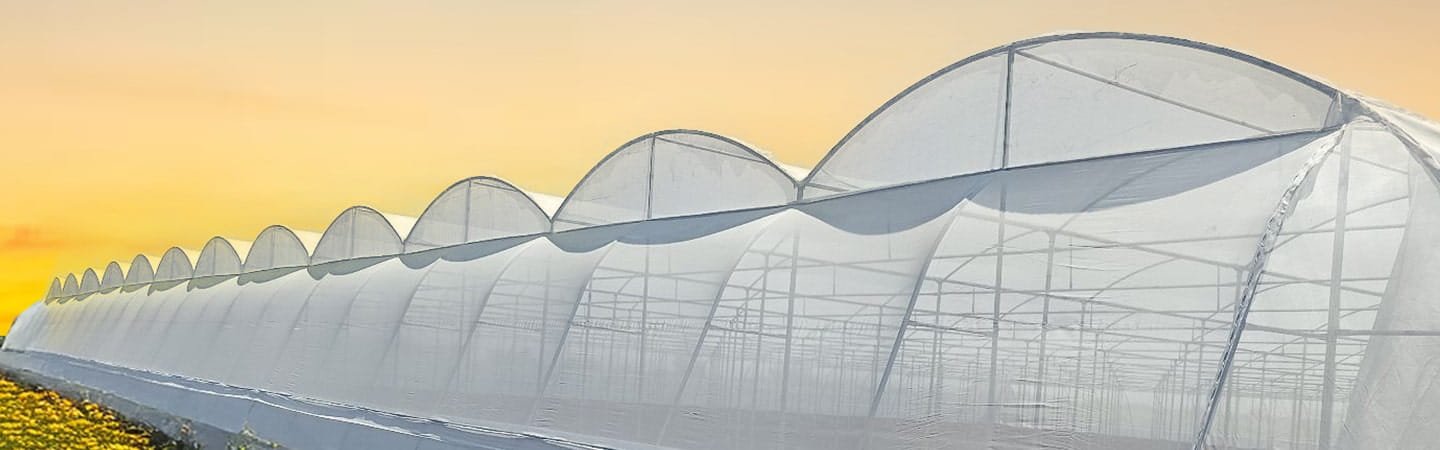
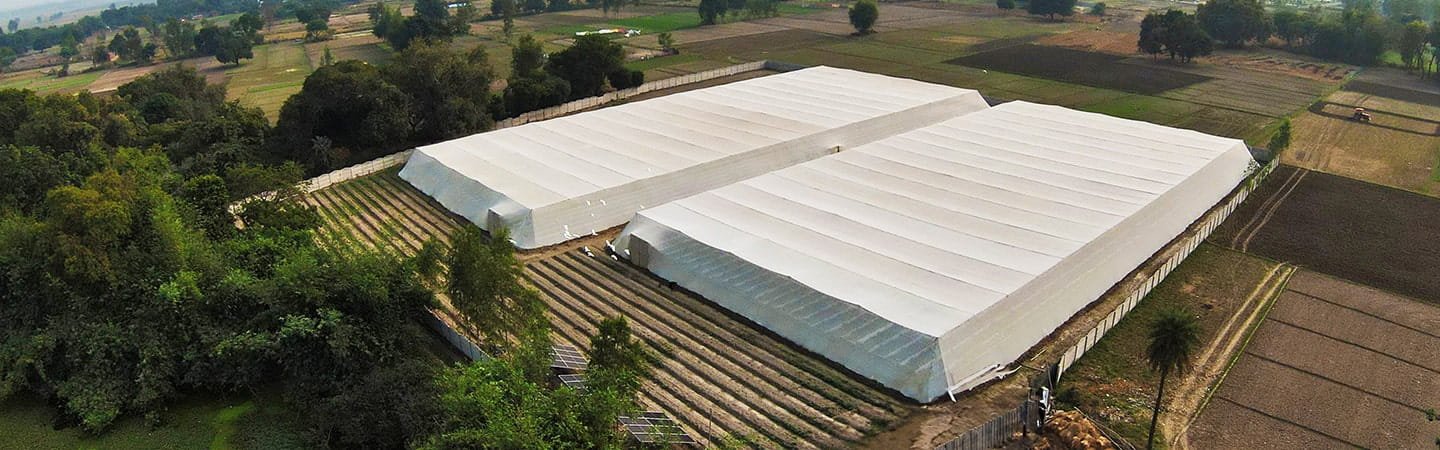
Starting with a 2-Acre Double-Shaded Net House
After completing his research, Santosh decided to establish a 2-acre double-shaded net house.
Protected cultivation appealed to him because it offered greater control over growing conditions compared to conventional open-field farming. Various greenhouse and polyhouse solutions are designed to help farmers create a more controlled crop-growing environment.
What started as a single project quickly turned into a long-term vision.
Encouraged by the progress he has witnessed, Santosh already plans to establish approximately 6–7 or even 9 more polyhouses in the future.
His confidence reflects the growing potential of protected cultivation in India, especially among first-generation farmers and entrepreneurs looking to adopt technology-driven agriculture.
Achieving Encouraging Results
Santosh's decision to adopt protected cultivation delivered encouraging results. From his 2-acre double-shaded net house, he harvested approximately 80 tonnes of capsicum and achieved returns of around ₹14.5 lakh.
These results strengthened his confidence in protected cultivation and reinforced his decision to expand by establishing several more protected cultivation structures in the coming years.
Learning Through Construction
Building the structure itself became an educational experience.
When Santosh started the project, even the construction process was unfamiliar to him. One of the earliest challenges involved understanding the foundation work and excavation process.
The project required approximately 281 foundation holes to be dug before the structural installation could begin.
As construction progressed and high-quality pillars were installed, Santosh gradually gained a deeper understanding of the engineering principles involved in protected cultivation infrastructure.
What initially appeared to be a complex technical process soon became a valuable learning experience.
What Impressed Him About AgriFirst
One aspect that stood out to Santosh during the project was the quality of the infrastructure.
According to him, the structural strength, stability, and overall finishing of the project were among the major reasons behind his satisfaction.
He particularly appreciated the quality of the pillars, netting material, and installation standards.
The structure provides effective sunlight protection while maintaining a suitable environment for crop growth. The durable netting material and strong framework contribute to long-term reliability and performance.
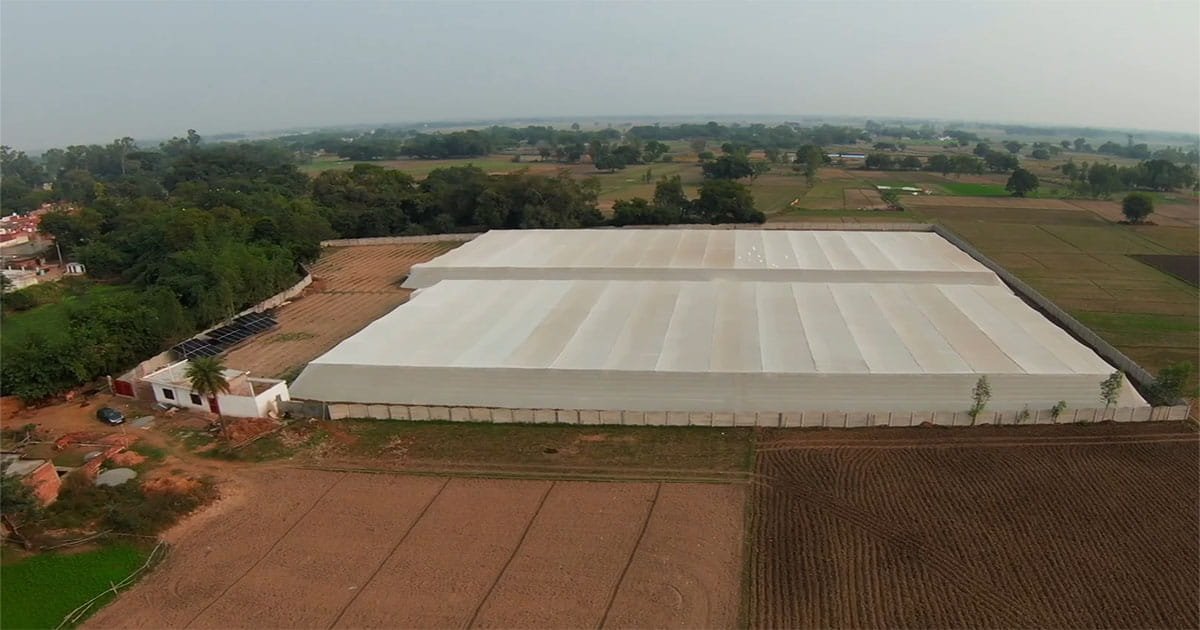
Another factor that impressed him was the speed of project execution. Within approximately 45 days, the complete structure was erected and ready for operations.
For a first-generation farmer, seeing a professionally installed structure that met expectations helped build confidence in the future of the project.
The Importance of Agronomy Support
Infrastructure alone does not guarantee success in farming. Technical knowledge is equally important.
As a newcomer to agriculture, Santosh initially had questions about seed selection, nursery management, crop planning, and cultivation practices.
This is where the support provided by AgriFirst agronomist Peeyush Pandey became valuable.
According to Santosh, interacting with an experienced agronomist helped remove much of the uncertainty he felt during the initial stages of the project.
The guidance provided clarity regarding cultivation techniques, nursery practices, and crop management strategies.
Having access to expert support allowed him to make informed decisions while developing confidence as a farmer.
For many first-generation growers, agronomic support can be just as important as infrastructure because it helps bridge the knowledge gap and improves decision-making.
Growing Interest Within the Community
As the project developed, it naturally attracted attention from people in the surrounding community.
Whenever Santosh visits his village, he is frequently approached by individuals curious about the technology, the structure, and the opportunities available in protected cultivation.
Questions such as "What are you doing?" and "How are you doing it?" have become common.
For Santosh, this growing curiosity indicates that more people are becoming aware of modern agricultural technologies and their potential benefits.
Farming Requires Dedication
One message Santosh consistently shares is that farming should never be treated casually.
According to him, plants require constant attention, observation, and care.
He compares plants to children because both need nurturing and a suitable environment to grow successfully.
Technology and infrastructure can support crop production, but long-term success ultimately depends on the dedication of the farmer.
He believes that people entering agriculture should do so with genuine interest and a willingness to continuously learn.
Health Benefits of Agriculture
Beyond financial returns, Santosh believes farming contributes positively to personal health.
Managing a farm involves regular movement, physical activity, and time spent outdoors.
Walking throughout the cultivation area multiple times a day naturally promotes fitness and helps farmers remain closely connected with crop performance.
For Santosh, agriculture is not only a profession but also a lifestyle that encourages better health and well-being.
Producing Healthy Food for Consumers
Another important motivation behind Santosh's agricultural journey is producing healthy food.
He believes consumers are increasingly conscious about food quality and safety.
Protected cultivation provides opportunities to maintain better environmental control and produce cleaner crops under carefully managed conditions.
His focus remains on growing quality produce while contributing to healthier food systems.
Future Expansion Plans in Protected Cultivation
The success of his initial 2-acre project has strengthened Santosh's belief in protected cultivation.
With plans to establish multiple additional polyhouses in the future, he sees enormous growth potential in modern agriculture.
As climate variability continues to affect traditional farming systems, protected cultivation offers farmers a practical solution for reducing risk and improving productivity.
For Santosh, this is only the beginning of a much larger agricultural journey.
Conclusion
Santosh Ojha's transition from pharmaceutical research to protected cultivation demonstrates how determination, continuous learning, and the right support system can create success in modern agriculture.
Through a 2-acre double-shaded net house, quality infrastructure, and agronomic guidance, he has built a strong foundation for future growth.
His story serves as an inspiration for aspiring farmers, entrepreneurs, and professionals looking to explore opportunities in protected cultivation and technology-driven agriculture. Similar farmer experiences can be explored through AgriFirst's success stories, which showcase real-world protected cultivation journeys from across India.