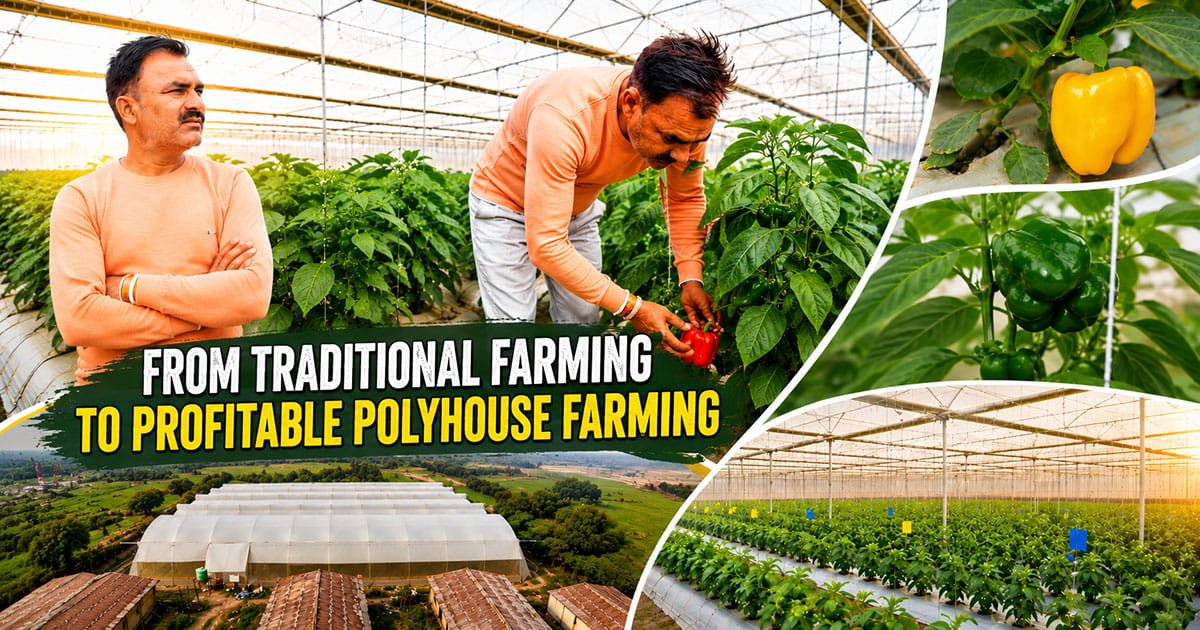
From Poultry Farming to Profitable Polyhouse Farming: Sunil Kumar Chaurasiya’s Journey with AgriFirst
“I had been running a poultry farm for nearly 12 years, but I always felt there was something better possible with farming. Today, my polyhouse gives me better income, better crop quality, and more confidence about the future.”
— Sunil Kumar Chaurasiya, Polyhouse Farmer, Uttar Pradesh
A Farmer Searching for Better Income Opportunities
In Uttar Pradesh, where traditional agriculture remains the backbone of rural livelihoods, many farmers continue to struggle with unstable crop prices, rising cultivation expenses, and uncertain weather conditions. Sunil Kumar Chaurasiya faced similar challenges while managing his family’s agricultural land alongside a poultry farming business that he had been operating successfully for nearly 12 years.
His family cultivated conventional crops like wheat, paddy, and black gram across approximately 2.5 Acres of farmland. While farming helped sustain the household, the profits were often inconsistent and heavily dependent on market fluctuations and seasonal rainfall.
Despite years of hard work, Sunil realized that traditional farming alone would not provide the long-term financial stability he envisioned for his family.
“We were farming continuously, but the returns were limited. Expenses kept increasing while income stayed uncertain,” Sunil explains.
That realization pushed him toward exploring modern farming methods capable of generating better yield, better crop quality, and more sustainable profits.
How Polyhouse Farming Changed His Perspective
The turning point in Sunil’s agricultural journey came when he visited a nearby polyhouse farming project. Until then, protected cultivation was something he had only heard about from other progressive farmers.
As he walked through the structure, he immediately noticed the difference between traditional farming and greenhouse farming. The crops looked healthier, the environment appeared controlled, and the entire farming system was far more organized than open-field agriculture.
“I saw that the crops inside the polyhouse were growing in a very systematic way. The yield was much higher, and farmers were getting much better income compared to traditional farming,” he says.
That single visit completely transformed his understanding of agriculture. He realized that polyhouse farming was not just another cultivation method — it was a modern farming business model capable of delivering long-term profitability even on smaller land areas.
This experience motivated him to begin researching protected cultivation seriously.
Choosing AgriFirst for Protected Cultivation
Before investing in a polyhouse project, Sunil visited several nearby farms and interacted with multiple companies offering protected cultivation infrastructure.
He carefully studied the quality of structures, durability of materials, agronomy support systems, and post-installation services because he understood that polyhouse farming requires long-term technical support.
According to Sunil, AgriFirst stood apart because the company focused not only on installation but also on helping farmers succeed after project completion.
“What impressed me most about AgriFirst was their guidance and support system. They explained every step properly and stayed connected even after installation,” he says.
The company’s farmer-first approach, durable infrastructure quality, and responsive agronomy support gave him confidence to move forward with the investment.
“For modern farming, support after installation matters a lot. AgriFirst always responded whenever I needed help,” he explains.
Investment, Subsidy, and Polyhouse ROI
Sunil started his protected cultivation journey with a half-acre naturally ventilated polyhouse project. The total project investment reached approximately ₹25 lakhs.
To establish the setup, he took an agricultural loan covering nearly 75% of the project value. Later, he also received a 50% government subsidy under the protected cultivation subsidy scheme, which significantly reduced the financial burden.
Government support played an important role in making the investment manageable for the family.
“With subsidy support, farmers can reduce financial pressure and focus more confidently on building modern farming businesses,” Sunil explains.
Due to strong crop performance and proper farm management, he successfully recovered the investment within approximately 2.5 years — a strong example of positive polyhouse ROI in India.
Project Highlights
| Polyhouse Size | 0.5 Acre |
| Total Investment | ₹25 Lakhs |
| Government Subsidy | 50% |
| Investment Recovery | Approx. 2.5 Years |
Learning Modern Farming Techniques
Although Sunil had years of agricultural experience, protected cultivation required a completely different approach compared to traditional farming.
Initially, he had limited knowledge about seedless cucumber farming, fertigation schedules, plant support systems, pruning techniques, and climate management inside the polyhouse.
This is where AgriFirst’s agronomy team became an important part of his journey.
“The AgriFirst agronomy team guided me step-by-step. They taught me plantation methods, irrigation management, fertilizer schedules, and crop maintenance,” says Sunil.
Whenever any issue appeared in the crop, he immediately contacted the team for guidance through calls and WhatsApp support.
According to him, Agronomist Peeyush from AgriFirst regularly visits the farm and provides continuous technical support whenever needed.
“In the last several years, I never faced any major problem because their support was always available,” he adds.
Profitable Seedless Cucumber Farming Under Polyhouse
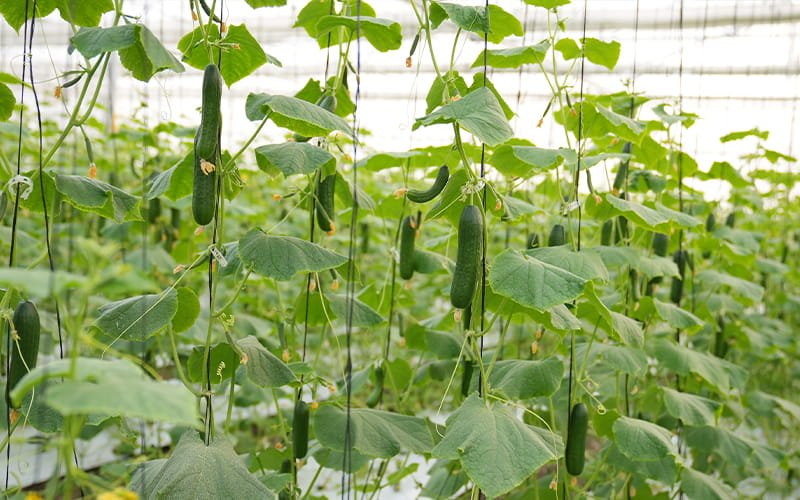
Sunil initially began protected cultivation with seedless cucumber farming because the crop performs exceptionally well under controlled environmental conditions.
Inside the polyhouse, the crop remained protected from excessive rainfall, temperature fluctuations, and disease pressure — resulting in healthier plant growth and higher productivity.
From just half an acre, Sunil achieved nearly 25,000 kilograms of cucumber production.
The average market price remained around ₹18 to ₹20 per kilogram, helping him generate significantly better income compared to traditional crops.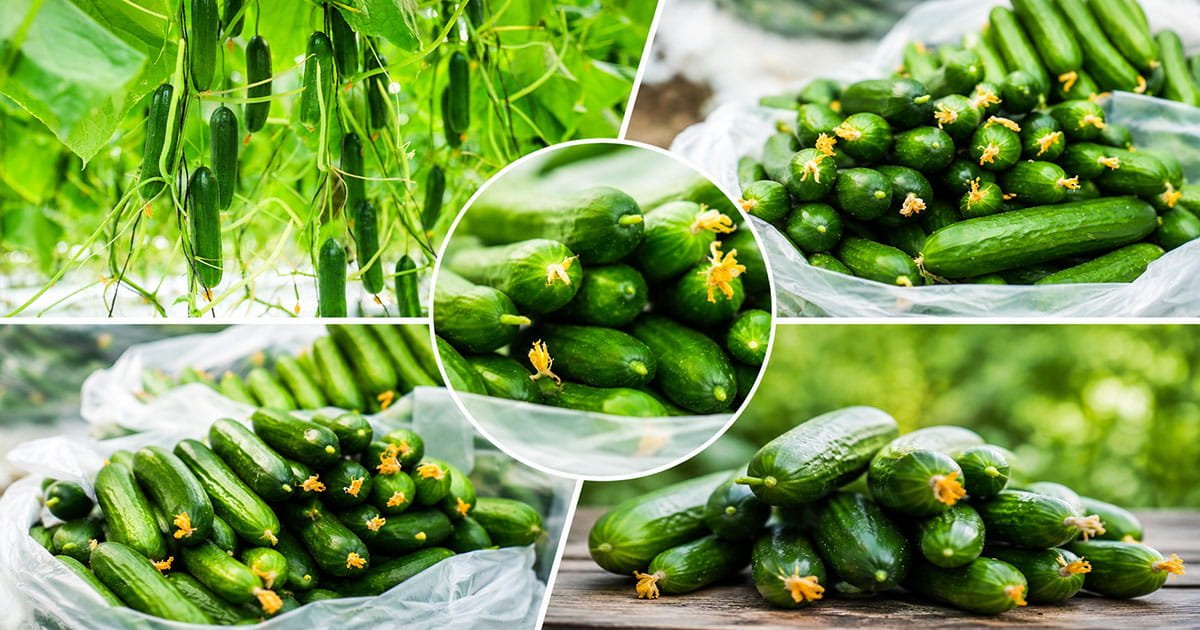
“The biggest advantage of protected cultivation is that productivity increases dramatically even in smaller areas,” he explains.
The success of seedless cucumber farming strengthened his confidence in modern agriculture and motivated him to diversify further.
Expansion into High-Profit Capsicum Farming
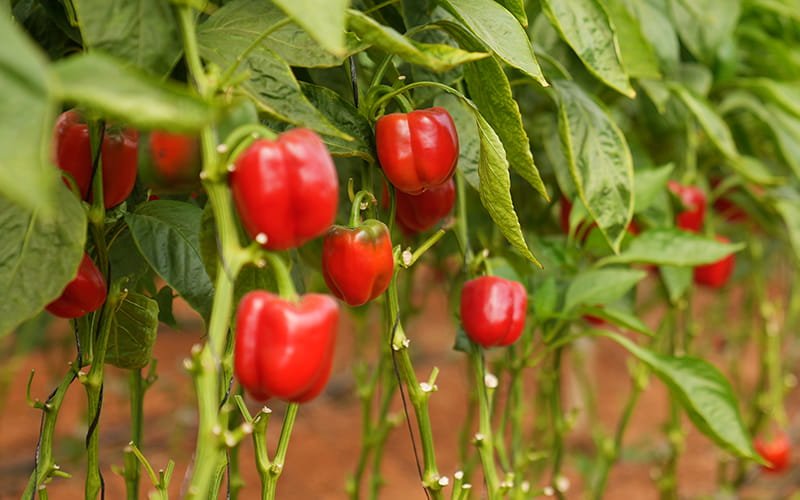
Encouraged by strong results from cucumber cultivation, Sunil later expanded his operations into capsicum farming under protected cultivation.
Today, his farm produces approximately 12.5 to 13 tons of capsicum annually.
Due to the superior crop quality achieved inside the polyhouse, he often receives premium market pricing close to ₹100 per kilogram.
Even after accounting for operational costs such as labour, fertilizers, transportation, seeds, and maintenance, the overall profitability remains substantially higher than traditional open-field farming.
According to Sunil, farmers with even small landholdings can build profitable businesses through polyhouse farming if they manage crops carefully and maintain quality production.
“If farmers personally monitor the farm properly, even half an acre can generate very good income,” he says confidently.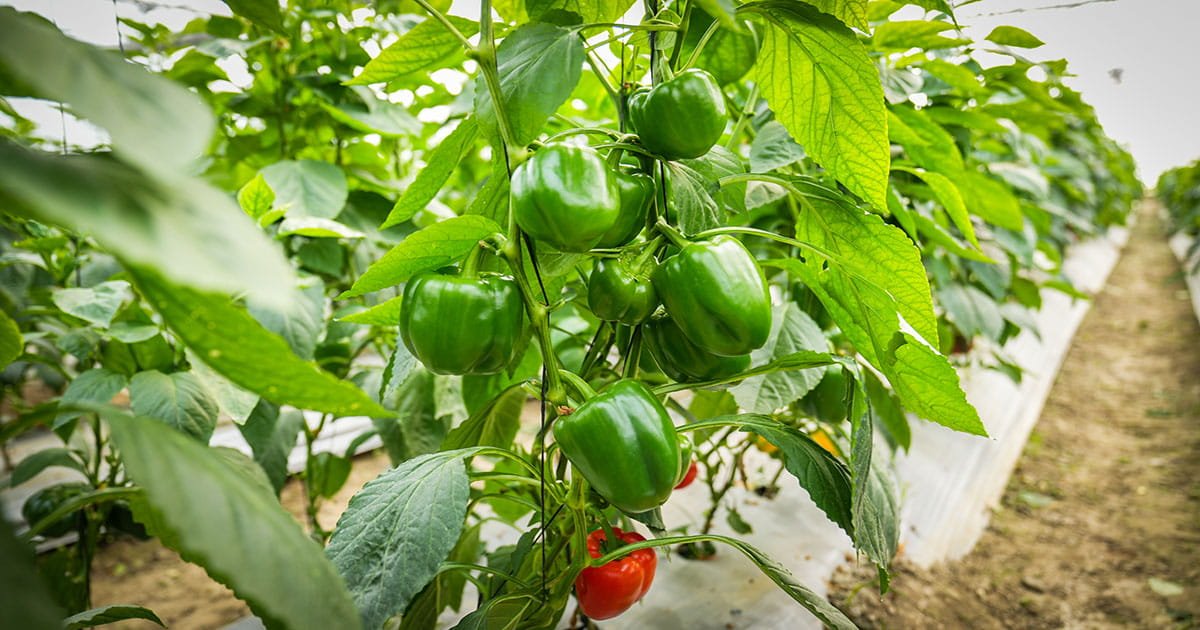
Durability of AgriFirst Polyhouse Infrastructure
One factor that continues to strengthen Sunil’s trust in AgriFirst is the long-term durability of the polyhouse infrastructure materials used in the project.
Even after several years, the original trellis twines, GI wires, mulch film, and J-hooks supplied during installation are still functioning properly.
“I have seen other farmers replace these materials multiple times because of poor quality. But even after years, my original setup is still working well,” Sunil explains.
This durability significantly reduces maintenance costs and ensures better long-term performance for farmers investing in protected cultivation.
Reliable Agronomy and Maintenance Support
Apart from infrastructure quality, Sunil also highlights the importance of dependable after-sales support in successful polyhouse farming.
Whenever minor maintenance work is required — such as repairing side skirting or replacing support materials — the AgriFirst team responds quickly and resolves issues efficiently.
“They never ignored our problems. Whenever support was required, the team visited and solved the issue properly,” he says.
This reliable technical support allowed him to focus fully on crop production and farm management without unnecessary stress regarding infrastructure maintenance.
Modern Farming as a Profitable Business Opportunity
Today, Sunil Kumar Chaurasiya’s journey stands as a powerful example of how modern agriculture is transforming farming across India.
From poultry farming and conventional cultivation to profitable greenhouse farming, his success story reflects the growing shift toward technology-driven agriculture among Indian farmers.
With proper planning, technical guidance, durable infrastructure, and disciplined crop management, protected cultivation can create stable income opportunities even for farmers with smaller landholdings.
Sunil’s experience is one of many inspiring farmer success stories that demonstrate how protected cultivation is helping farmers achieve higher productivity and profitability across India.
A Message to Farmers and Youth
“My advice to farmers and young people is simple — agriculture has huge opportunities today. Learn modern farming techniques and focus on quality production. With proper guidance and dedication, polyhouse farming can completely transform your future.”
— Sunil Kumar Chaurasiya