From Event Management to Modern Farming: Shray Mehrotra's Inspiring Journey
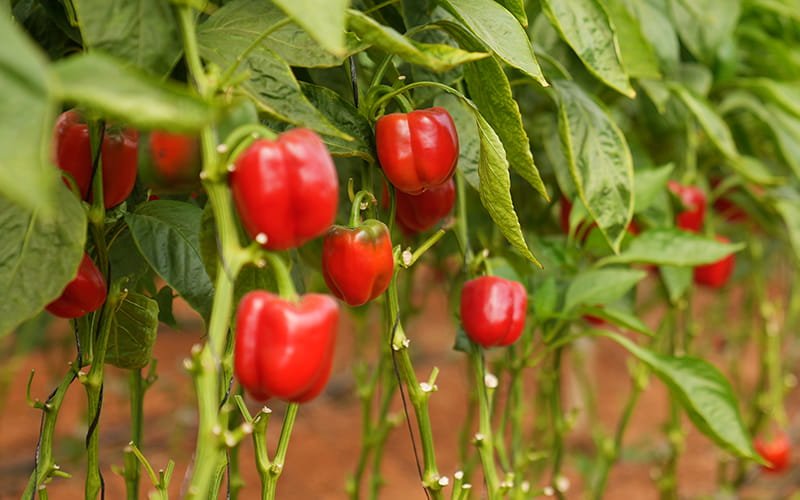
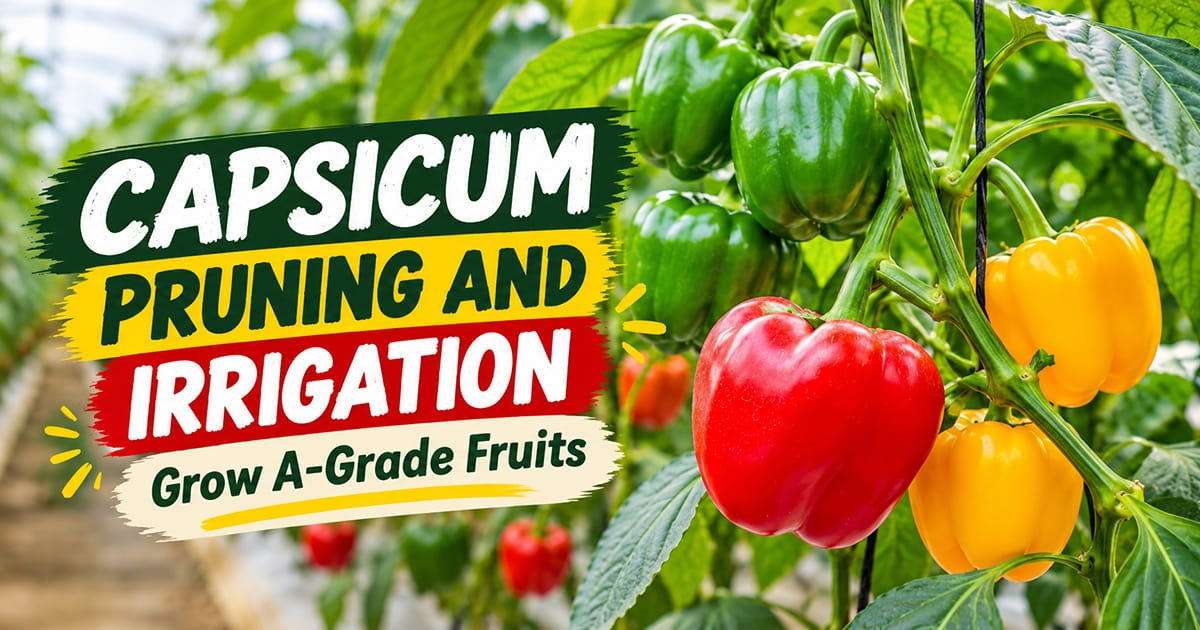
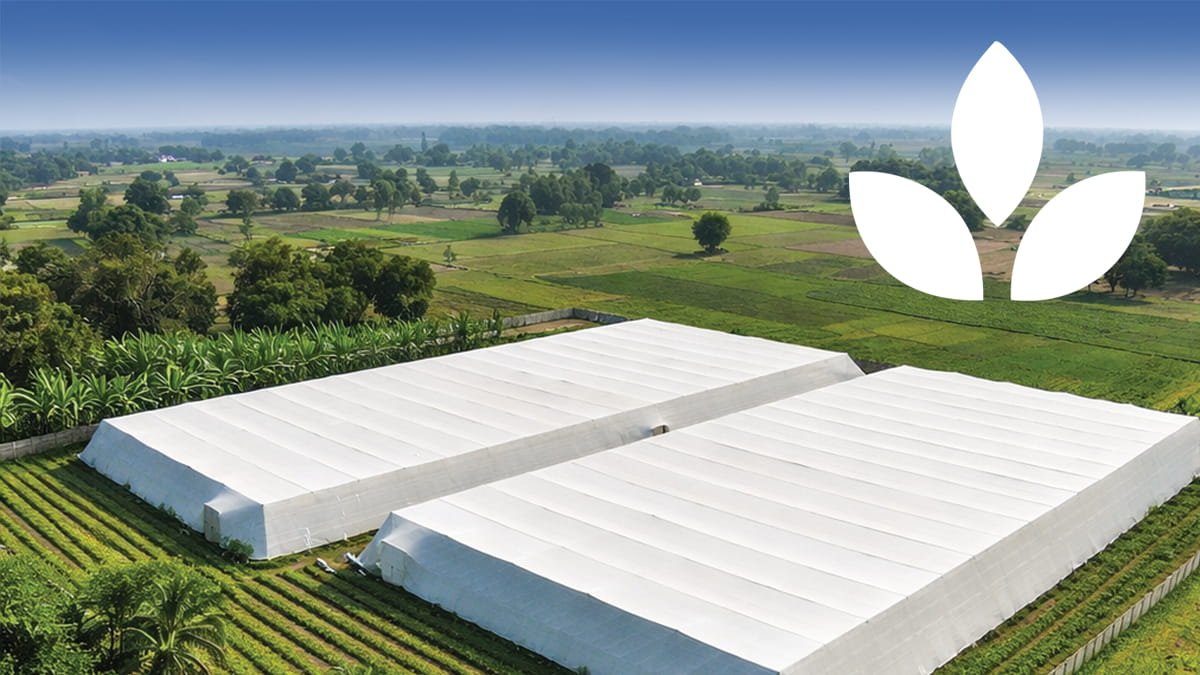
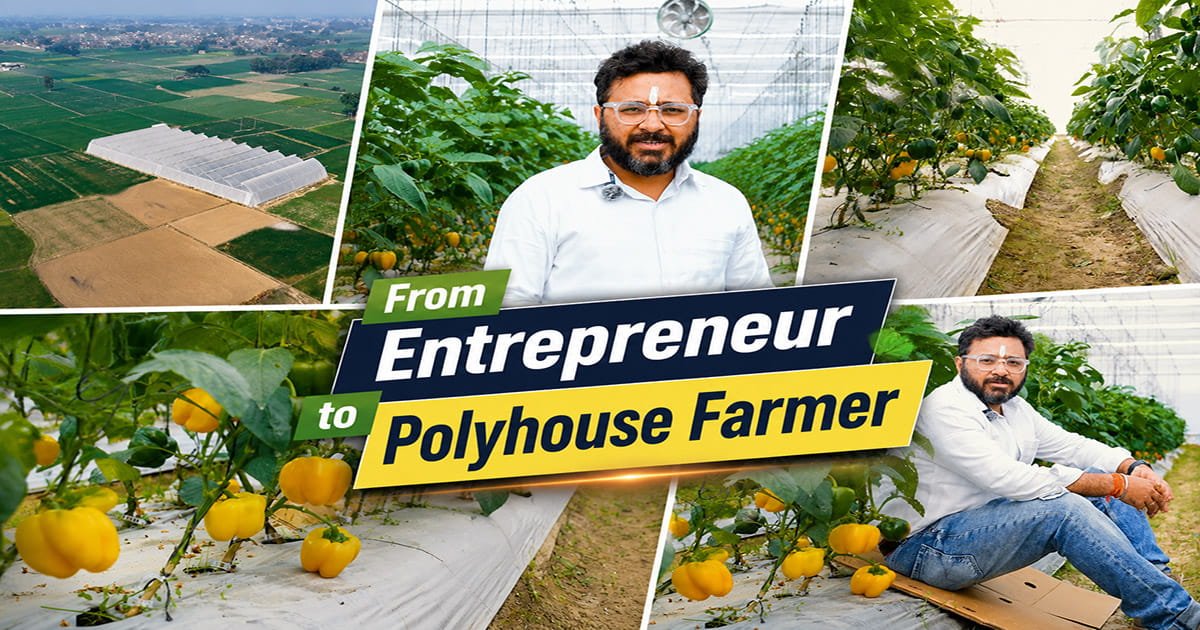
Life has a way of changing our plans when we least expect it. For Shray Mehrotra, what began as a successful career in event management eventually turned into an unexpected journey into modern agriculture. Today, he manages a one-acre polyhouse cultivating green and yellow coloured capsicum in Kaushambi district, Uttar Pradesh. However, this journey was never part of his original plan—it was born out of one of the most challenging periods in recent history.
Like countless entrepreneurs across the country, Shray's life changed during the COVID-19 pandemic. Before the pandemic, he lived in Gurgaon, where he owned an event management company. His business revolved around organising events, but when COVID-19 brought the entire events industry to a standstill, everything changed almost overnight.
With events cancelled and uncertainty everywhere, continuing the business became increasingly difficult. Eventually, he decided to return to his village, where he began thinking seriously about what the future could look like. Going back to Gurgaon without clarity no longer seemed practical, so he started exploring opportunities that could create a sustainable livelihood closer to home.
"The pandemic changed my profession, but it also opened the door to an entirely new journey in agriculture."
The First Business Idea Was Mushroom Farming
After returning to his village, Shray didn't immediately decide to build a polyhouse. Like many aspiring agripreneurs, he first evaluated different farming opportunities. His initial choice was mushroom farming, which appeared to be a promising option at that time.
However, once he started planning the project in detail, he realised that certain essential resources required for mushroom cultivation were not readily available. Instead of moving forward with an unsuitable project, he chose to reassess his options carefully. This practical approach eventually led him to explore protected cultivation as a more suitable alternative.
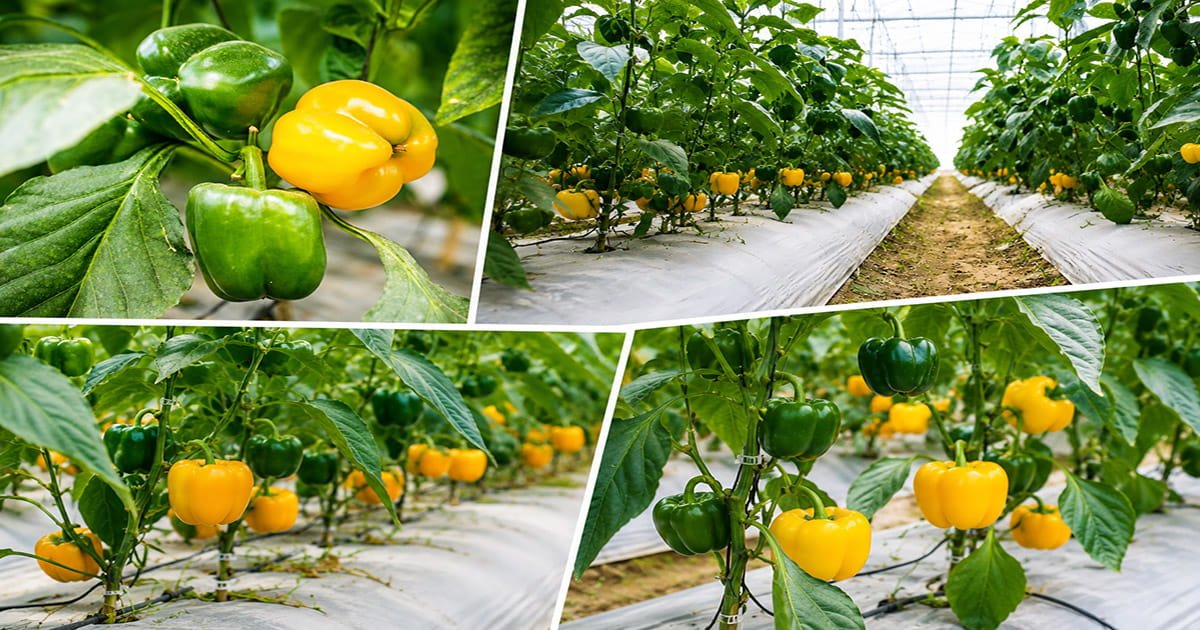
After comparing different possibilities, Shray concluded that polyhouse farming would be the best option under his circumstances. One of the reasons behind this decision was that it suited the available resources better, including lower electricity requirements compared to the original mushroom farming plan. After careful consideration, he decided to cultivate green and yellow coloured capsicum inside a polyhouse.
Beginning a New Chapter with a One-Acre Polyhouse
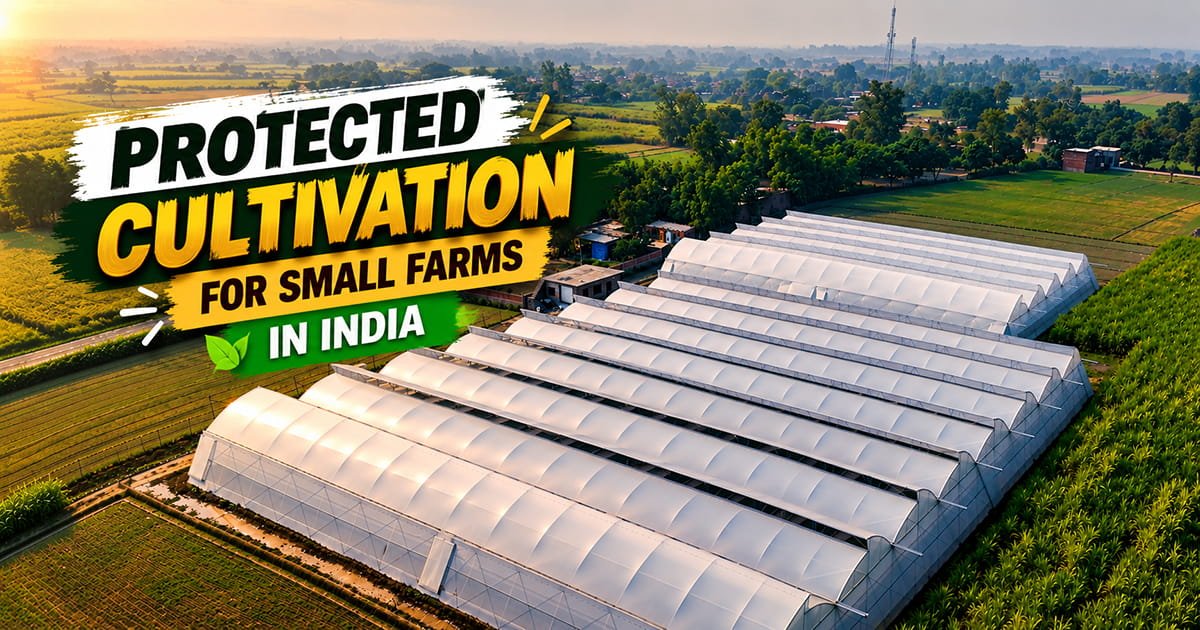
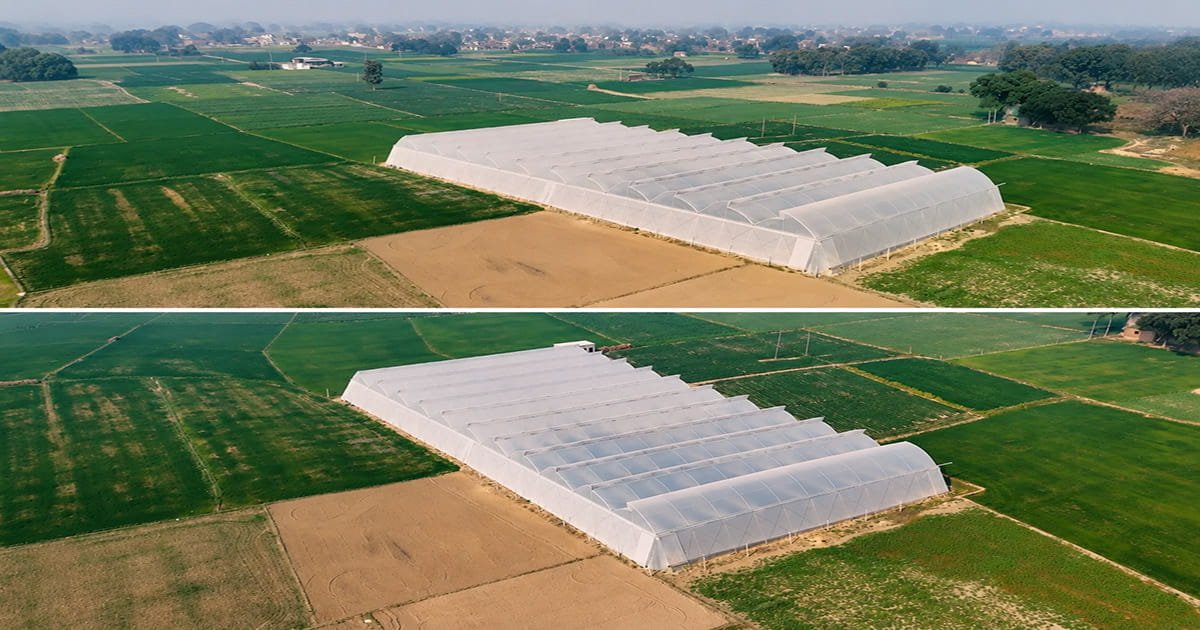
Shray established his first one-acre polyhouse in Kaushambi district, Uttar Pradesh. Entering agriculture without any previous farming experience meant that every stage of the project was a learning experience. Along with understanding crop management, he also started learning the marketing aspects associated with selling fresh produce.
The project also created an opportunity for people in the surrounding villages. Local workers regularly visit the farm, where they not only contribute to daily operations but also learn modern farming techniques. Shray believes this exchange of knowledge benefits everyone involved. While the local workforce gains exposure to protected cultivation, he continues learning alongside them through practical farming experience.
Although mushroom farming was his original goal, circumstances ultimately directed him toward coloured capsicum cultivation. Looking back, he considers it the most suitable decision based on the resources available to him and the opportunities offered by protected cultivation.
"Sometimes the best farming decisions are not the ones you plan first—they are the ones that fit your situation the best."
The First Step Towards AgriFirst
Once Shray decided to pursue polyhouse farming, he understood that he needed proper technical guidance before making such a significant investment. This marked the beginning of his association with Shashank Bhatt from AgriFirst, who became his first point of contact during the planning stage of the project.
Rather than asking him to proceed directly with construction, Shashank first arranged visits to existing AgriFirst polyhouse projects. These visits gave Shray the opportunity to see commercial polyhouse farming in action, understand how daily farm operations are managed, and learn directly from practical demonstrations. For someone entering agriculture for the very first time, seeing operational farms helped transform uncertainty into confidence.
During these visits, the AgriFirst team explained every stage involved in setting up a successful polyhouse project. Instead of focusing only on the structure itself, they helped him understand that successful farming begins much earlier—with scientific planning, careful crop selection, and proper technical guidance.
Learning the Importance of Scientific Planning
One of the first lessons Shray learned was that selecting a crop should never be based on assumptions. The AgriFirst team explained that before deciding what to cultivate, farmers should first send soil samples for testing and also have their irrigation water analysed. These reports help determine which crop is most suitable for the conditions available on a particular farm.
Only after reviewing the soil and water reports should the crop be selected. This scientific approach gave Shray a clear understanding of why planning is such an important part of protected cultivation. Instead of guessing which crop might perform well, every decision is supported by information collected from the farm itself. Farmers exploring different crops for protected cultivation can benefit from following the same step-by-step approach before making an investment.
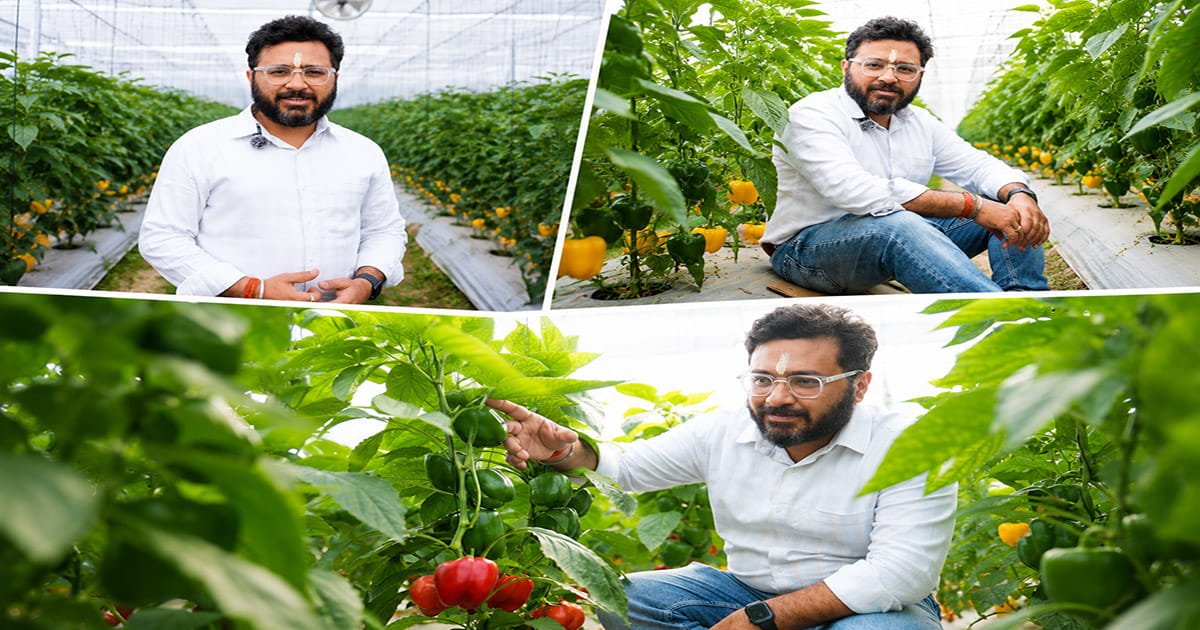
For Shray, this was the beginning of understanding that successful polyhouse farming is built on preparation, planning, and continuous learning. In the next stage of his journey, he would learn how financing, project execution, construction, nursery preparation, and ongoing agronomy support all come together to build a modern polyhouse farming project.
Understanding the Investment and Financing Process
After explaining how soil and water testing help determine the most suitable crop, Shashank Bhatt walked Shray through the next stage of the project—planning the investment. As someone entering agriculture for the first time, understanding the financial side of a polyhouse project was just as important as understanding crop cultivation.
Shray recalls being told that farmers who have sufficient financial resources can choose to fund the project themselves. For those who require financial assistance, government-supported schemes and bank loans are also available. While obtaining a loan and completing the required formalities may take some time, he was informed that the company would guide farmers throughout the process.
For Shray, this guidance helped simplify what initially appeared to be a complicated process. Rather than trying to understand every procedure independently, he was able to move forward step by step with the support provided by the AgriFirst team. Farmers who are planning a similar project can also use the Polyhouse Investment Calculator to gain an initial understanding of project planning before beginning the documentation process.
"Building a polyhouse is not just about investing money—it's about understanding every step before you begin."
From Documentation to Polyhouse Construction
According to Shray, once all the required formalities are completed and the financial process is finalised, the project moves into execution. After the necessary approvals, the funds are transferred, and the required materials are delivered to the farm for construction.
This marks the beginning of turning the project plan into reality. The structural materials are installed systematically, and Shray explains that it generally takes around 45 to 60 days for the entire polyhouse project to be completed. For someone witnessing such a project for the first time, watching an empty piece of land gradually transform into a modern farming structure was an exciting experience.
Although construction is a major milestone, Shray soon realised that completing the structure is only one part of the journey. A polyhouse becomes productive only after careful preparation for plantation begins.
Preparing for Plantation
Once the polyhouse structure is ready, the next step is arranging the nursery. Shray explains that farmers place their nursery orders in advance, and the seedlings are generally supplied within approximately 30 to 40 days. The nursery is delivered only after the seedlings reach the appropriate age for transplantation, ensuring they are ready for planting inside the polyhouse.
However, before the seedlings can be planted, another important task must be completed—preparing the planting beds. This is one of the practical lessons that Shray remembers clearly from the early stages of his farming journey.
As he explains, the beds are prepared before plantation because they contain the required growing materials and fertilisers that help the plants establish themselves and grow properly. Only after the beds are completely ready can the nursery be transplanted into the polyhouse. For a beginner, understanding this sequence was an important part of learning how protected cultivation works in practice.
"Preparing the beds properly before plantation creates the foundation for healthy crop growth."
Learning Begins Only After the Crop Is Planted
Looking back, Shray says that although he received basic guidance before starting the project, real learning only began after the first crop was planted. Books, discussions, and farm visits can provide an understanding of the process, but practical experience develops only when farmers begin managing their own crop every day.
Every stage—from observing plant growth to making day-to-day management decisions—became part of his learning journey. As someone who had no previous farming experience, he gradually developed confidence through practical work rather than theory alone.
Continuous Agronomy Guidance from AgriFirst
One aspect of the journey that Shray speaks about with appreciation is the continuous technical support he received after plantation. He explains that AgriFirst has an agronomist, Peeyush Pandey, who regularly visits the farm and provides guidance whenever required.
Along with farm visits, a dedicated WhatsApp group was created where Shray could discuss any observations, ask questions, and seek advice whenever challenges arose. Whether it involved crop management or any other concern related to the farm, the group provided a convenient way to stay connected with the technical team.
For a first-generation farmer, having experienced professionals available for consultation created confidence throughout the learning process. Instead of facing challenges alone, he knew guidance was available whenever it was needed. This kind of ongoing polyhouse agronomy guidance plays an important role in helping new farmers understand practical crop management while continuing to build their own experience.
Modern Farming Is a Journey of Continuous Learning
As his experience grew, Shray realised that protected cultivation is not something that can be mastered overnight. Every day presents new opportunities to observe, learn, and improve. The more time spent inside the polyhouse, the better a farmer understands crop behaviour, management practices, and the importance of making timely decisions.
His journey demonstrates that modern agriculture combines infrastructure with knowledge, planning, and continuous technical support. It is this combination that has made his transition from event management to farming both meaningful and rewarding. Readers interested in exploring similar real-life experiences can also visit AgriFirst's Farmer Success Stories to learn how growers from different regions have adopted protected cultivation.
The Importance of Preparation in Polyhouse Farming
As Shray reflects on his journey, one message stands out clearly—polyhouse farming is not difficult, but it does require preparation and a willingness to learn. Coming from a completely different professional background, he believes that beginners should first understand the basics of protected cultivation before expecting immediate results.
According to his experience, one of the biggest mistakes a farmer can make is waiting for a problem to appear before taking action. Whether it is crop management or plant health, preparation plays a much bigger role than reacting after something has already gone wrong. This practical lesson has become one of the most valuable takeaways from his first farming project.
"Diseases and pests don't come after giving you a warning. You have to be prepared for them in advance."
For Shray, this understanding developed through experience rather than theory. Every stage of the project reinforced the importance of observing the crop regularly, learning from experienced professionals, and making informed decisions at the right time. He believes that preparation can make a significant difference to how confidently a farmer manages challenges during cultivation.
Growing with Knowledge and Experience
Although this is Shray's first experience with commercial polyhouse farming, he sees every day as an opportunity to learn something new. From understanding crop management to exploring the marketing side of agriculture, his journey continues to expand his knowledge with practical experience.
He also values the learning environment that has developed around the farm. Local people regularly come to work, and in the process they gain exposure to modern farming practices. At the same time, Shray himself continues learning alongside them. This exchange of knowledge has become one of the most rewarding aspects of his transition into agriculture.
His experience demonstrates that farming is not simply about growing crops. It is equally about continuously improving knowledge, understanding practical challenges, and becoming more confident with every season and every new experience.
A Journey Built on Guidance and Support
Looking back at his journey, Shray acknowledges that having experienced people to guide him made a significant difference during the early stages of his farming career. Beginning with his interaction with Shashank Bhatt, who introduced him to the complete polyhouse setup process, and continuing with the technical support provided by Agronomist Peeyush Pandey, he always had someone available to consult whenever questions arose.
The regular farm visits and the dedicated WhatsApp group created an environment where questions could be discussed openly and practical guidance could be received whenever required. For someone entering agriculture without previous experience, this ongoing support helped transform uncertainty into confidence as the project progressed.
Shray also expresses his appreciation for the entire AgriFirst team, acknowledging that they continue to support farmers whenever guidance is needed. From the initial planning stage through project execution and agronomy support, he believes that having experienced professionals available throughout the journey gives new farmers greater confidence while learning modern protected cultivation.
Advice for Farmers Considering Protected Cultivation
Based on his own experience, Shray encourages aspiring farmers to approach protected cultivation thoughtfully rather than rushing into an investment. Understanding the basics, following the recommended process, and seeking guidance from experienced professionals can help beginners avoid unnecessary confusion during the initial stages of farming.
He also believes that patience is an important part of the journey. From completing project formalities and constructing the polyhouse to preparing the beds, planting the nursery, and managing the crop, every stage requires careful attention. Trying to skip steps or overlook important recommendations can make the learning process more difficult.
For anyone planning to begin a similar journey, understanding the principles of hi-tech farming and modern protected cultivation can provide valuable insights before making an investment. Learning from experienced farmers and agricultural experts is often one of the best ways to build confidence before starting.
A Farmer Success Story That Continues
Shray Mehrotra's journey is a reminder that new beginnings often emerge from unexpected circumstances. What started as a challenging period during the COVID-19 pandemic eventually became an opportunity to build a completely new career in agriculture. From leaving behind an event management business in Gurgaon to establishing a one-acre green and yellow capsicum polyhouse in Kaushambi, every stage of his journey reflects determination, curiosity, and a willingness to embrace change.
His experience also highlights that successful polyhouse farming is not achieved by infrastructure alone. It involves careful planning, scientific decision-making, practical learning, and continuous technical support throughout the cultivation process. These lessons have shaped his first experience in protected cultivation and continue to guide him as he develops his farming knowledge.
Every farmer's journey is different, but stories like Shray's offer valuable insights for others who are considering modern agriculture as a long-term opportunity. You can explore more real-life Farmer Success Stories to understand how growers across different regions have adopted protected cultivation and built their own farming journeys.
Thinking About Starting Your Own Polyhouse Journey?
Every successful farming journey begins with understanding the process before making an investment. Learning about soil and water testing, crop selection, project planning, and modern protected cultivation can help first-time farmers make informed decisions with greater confidence.
If you're planning to explore commercial polyhouse farming, you can learn more about commercial polyhouse farming and discover how scientific planning plays an important role in building a successful protected cultivation project.