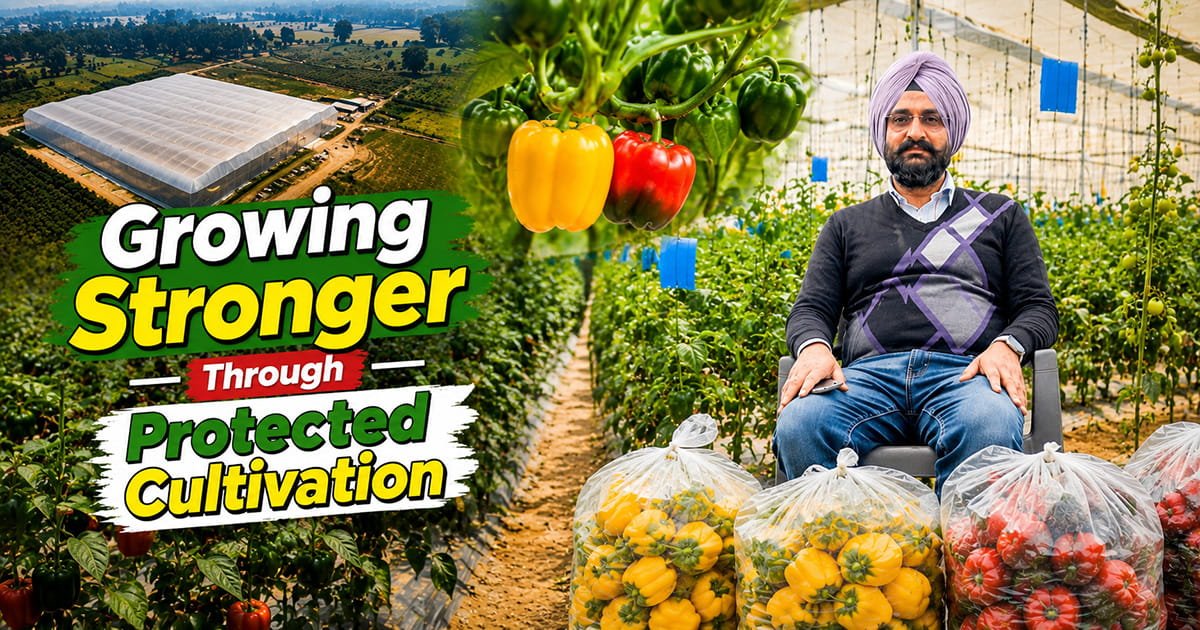
Many farmers believe expanding a farm simply means building another protected structure. Devendra Singh sees it differently. After nearly nine years in protected cultivation, he believes that every expansion should begin with understanding the land, selecting the right growing environment, and committing to the daily discipline that commercial farming demands. Bigger investments alone do not guarantee better farming. Better decisions do.
Today, Devendra manages a diversified farming operation in Mohanlalganj, Uttar Pradesh, where traditional agriculture and modern protected cultivation work together rather than compete. His experience reflects how commercial vegetable farming evolves over time—not through shortcuts, but through observation, continuous learning, and practical decision-making in the field.
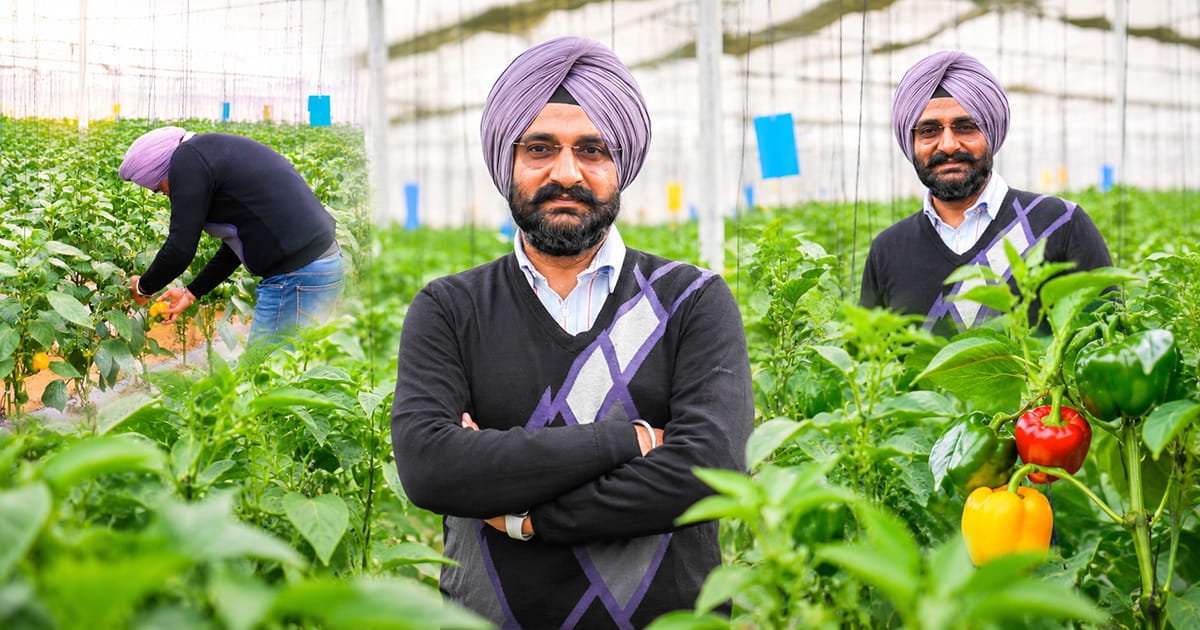
This stage of Devendra's journey focuses on improving what he has already built. Every expansion is planned with a clear purpose, whether it is introducing a new crop, making better use of available land, or improving day-to-day farm management. His experience shows that long-term success comes from making thoughtful decisions, not simply adding more area.
Protected Cultivation Became a Long-Term Farming Strategy
After years of working with protected crops, Devendra's farming operation has grown into a balanced production system spread across approximately 30 acres. Rather than depending on a single cultivation method, he manages both protected structures and open-field farming according to the requirements of different crops.
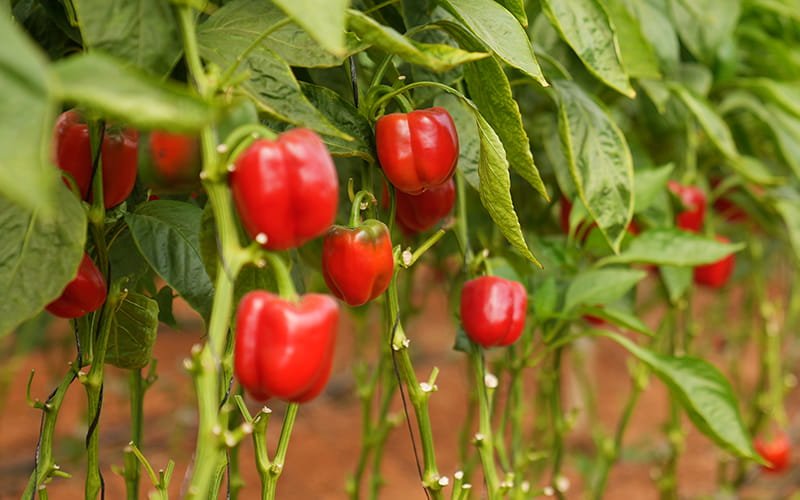
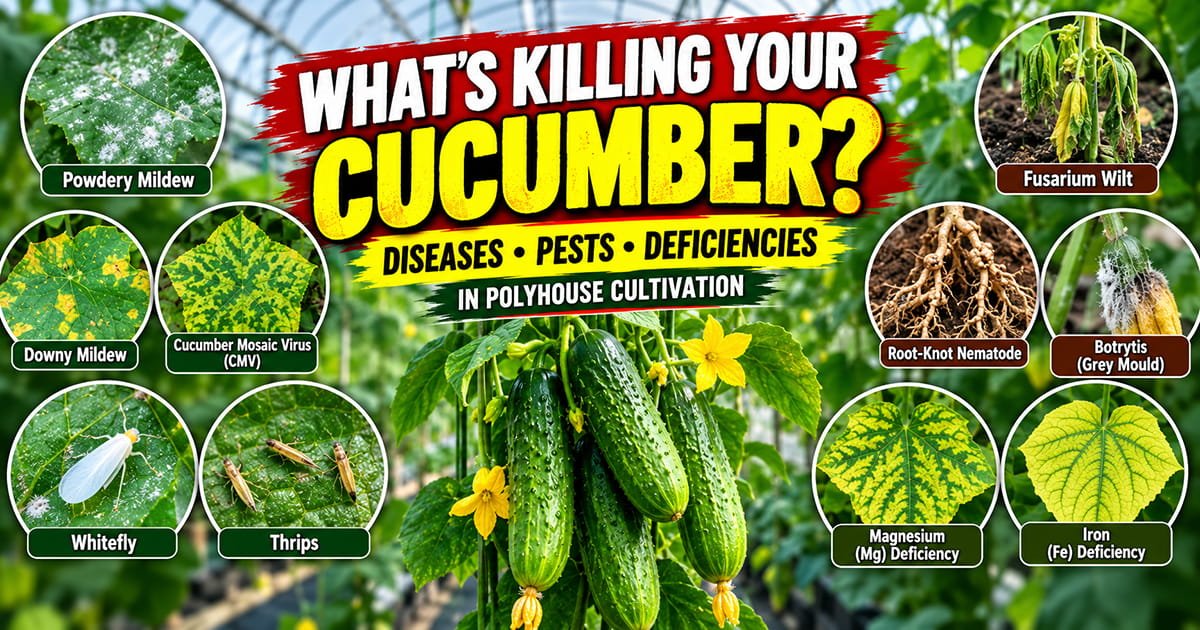
Out of the total landholding, around 12 acres are dedicated to vegetable cultivation. Four acres operate under protected cultivation, where he grows red and yellow capsicum along with cucumbers. The remaining seven to eight acres continue producing vegetables in open fields using drip irrigation and mulching, with crops such as green capsicum and broccoli.
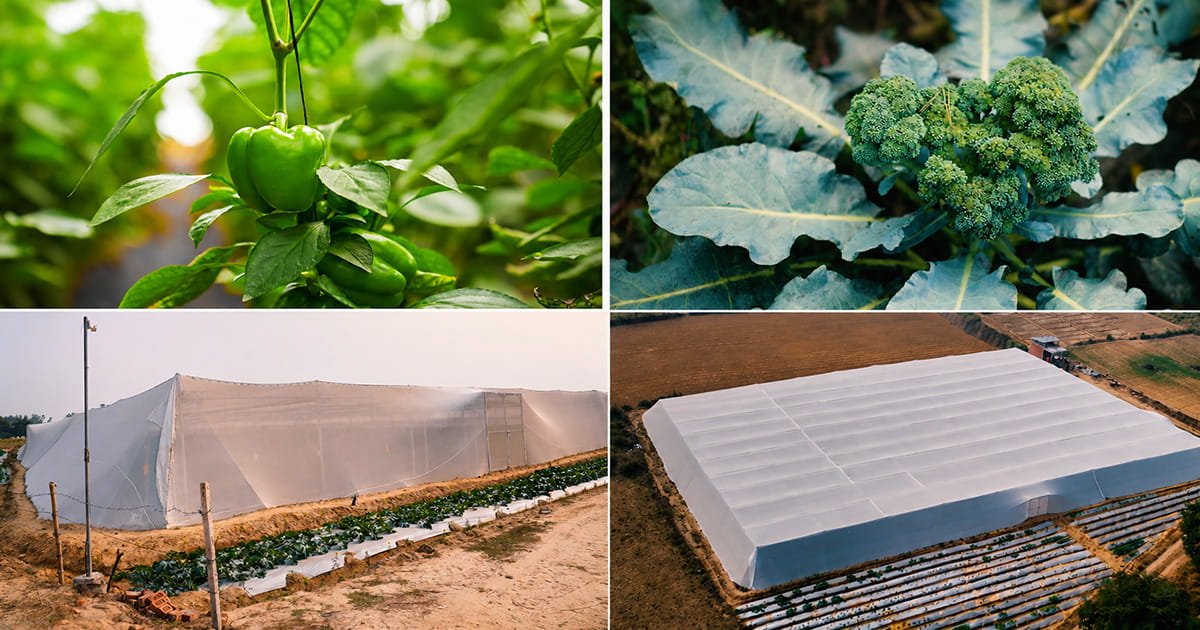
This diversified approach allows him to make better use of available resources while reducing dependence on a single production system. Every section of the farm serves a different purpose, creating flexibility throughout the growing season.
Instead of viewing protected cultivation as a replacement for conventional farming, Devendra has integrated both systems into one commercial farming model. The protected structures provide a controlled environment for crops that benefit from additional management, while open-field cultivation continues supporting large-scale vegetable production through efficient irrigation practices.
Good Decisions Started Long Before Construction
One of the biggest lessons from Devendra's experience is that successful protected cultivation begins long before the first structure is installed. Before making major investments, he spent several months understanding how different protected farming systems actually performed under real farming conditions.
His research continued for nearly three to four months. During this period, he travelled across Western Uttar Pradesh, Haryana, and Punjab, visiting existing protected cultivation projects to observe how they were being managed. Instead of depending only on brochures or recommendations, Devendra preferred learning directly from working farms. Watching experienced growers manage their crops helped him understand the practical realities of protected cultivation before making a long-term investment.
These visits helped him evaluate different protected structures from a farmer's perspective. He observed crop performance, construction quality, management practices, and how growers handled day-to-day operations throughout the production cycle.
Only after completing this process did he decide to move forward. Even today, he believes those months of visiting farms and speaking with experienced growers gave him a much clearer understanding of what to expect before making such an important investment.
"Before investing in protected cultivation, understand how the system works in real farming conditions. Visiting successful farms teaches lessons that no brochure can explain."
Planning Every Expansion Around the Field
As his farm expanded, Devendra realised that every piece of land has different strengths and challenges. Instead of following the same approach everywhere, he believes each new project should be planned according to the condition of the field and the crop he wants to grow.
Since his farm includes both protected cultivation and open-field vegetable production, he has had the opportunity to observe how different growing environments perform under different conditions. Over the years, this experience has shaped the way he plans new projects.
Whenever another piece of land is considered for protected cultivation, the first questions are not about construction. Instead, he looks at soil condition, water drainage, crop suitability and the level of management that will be required throughout the season. These factors ultimately determine which protected structure will be the right fit for that particular field.
For one of his expansion projects, Devendra wanted to bring another section of land under protected cultivation while keeping the investment practical. Before moving ahead, he discussed the site's conditions with the Agrifirst team. Together, they evaluated the field's drainage and soil before finalising a net house that best matched the land.
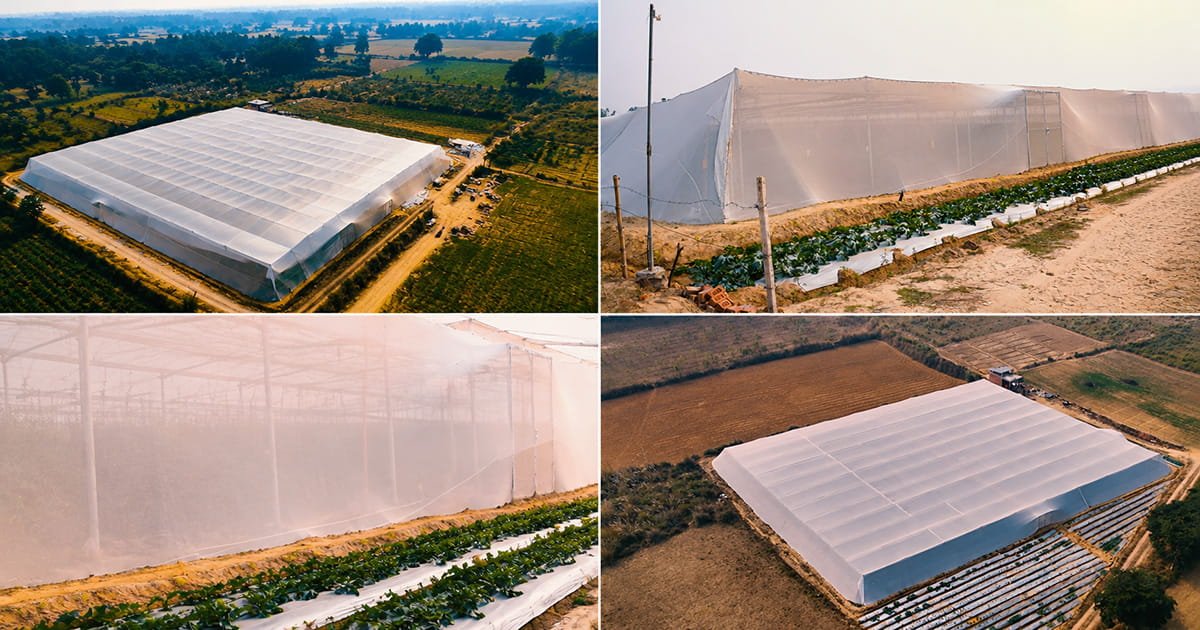
Before expanding protected cultivation, Devendra believes every farmer should carefully evaluate:
- Soil condition and long-term soil health
- Water drainage across the field
- The suitability of the planned crop
- The level of day-to-day crop management required
- The long-term sustainability of the investment
He believes that spending extra time understanding the field before construction helps avoid unnecessary problems later. A well-planned project is always easier to manage throughout the crop cycle.
Crop Performance Comes from Consistent Management
While talking about his experience, Devendra also shared something he often hears from other farmers. Many assume that crop performance depends only on the type of structure being used, but his experience has been different.
Standing inside one of his growing structures, he points to healthy red and yellow capsicum plants as an example. In his experience, good crop performance depends more on proper management and timely decisions than on assumptions made before planting.
Rather than following popular opinions, Devendra prefers relying on what he observes in his own fields. Every season provides new learning, and each crop helps him understand how protected cultivation should be managed under his local conditions in Mohanlalganj.
This practical approach has given him the confidence to continue expanding vegetable cultivation while planning future crops according to the suitability of each protected structure.
Daily Crop Management Is What Protects the Investment
Protected cultivation demands attention every single day. According to Devendra, constructing the structure is only the beginning. The real responsibility starts once the crop is transplanted.
Every stage of cultivation requires timely management. Bed preparation must be completed properly before planting. Once transplanting is finished, fertigation schedules need regular monitoring so that plants receive balanced nutrition as they grow.
As the crop develops, management practices continue changing. Pruning must be carried out whenever required, plants need proper training on the support wires, and fertiliser applications should match the crop's growth stage instead of following a fixed routine.
Harvesting also changes how the crop is managed. Fertigation schedules are adjusted according to the plant's requirements, while continuous crop observation helps identify small issues before they become larger production problems.
For Devendra, there is no single activity that determines success. Instead, the final harvest reflects hundreds of small decisions made consistently throughout the season.
"The crop responds to the attention you give it every day. Protected cultivation rewards consistency more than shortcuts."
Being Present in the Field Matters More Than Simply Owning It
Another lesson Devendra has learned over nearly nine years is that protected cultivation cannot be managed from a distance. Modern farming may use advanced structures and improved irrigation systems, but successful crop management still depends on the farmer's daily involvement.
He believes that if workers spend the entire day in the field, the farmer should also be present to supervise operations, understand ongoing activities and ensure every task is completed correctly. From early morning until the day's work ends, regular observation helps maintain crop health and prevents small mistakes from affecting production.
According to him, every visit to the protected structure should have a purpose. Whether checking plant growth, monitoring irrigation, observing crop health or reviewing completed work, spending time inside the crop allows decisions to be based on actual field conditions rather than assumptions.
This level of involvement also helps build a stronger working team. When everyone understands the importance of timely operations, crop management becomes more organised and consistent throughout the production cycle.
Strong Agronomist Support Makes Every Season Easier
Every crop season brings different challenges, and Devendra believes having the right technical guidance makes those challenges easier to handle. Whenever questions come up in the field, discussing them with experienced agronomists helps him make informed decisions without unnecessary guesswork.
Devendra says the Agrifirst agronomy team has supported him whenever technical questions arise in the field. Whether it is understanding a crop issue or planning the next field operation, discussing it with experienced agronomists helps him make timely decisions with confidence.
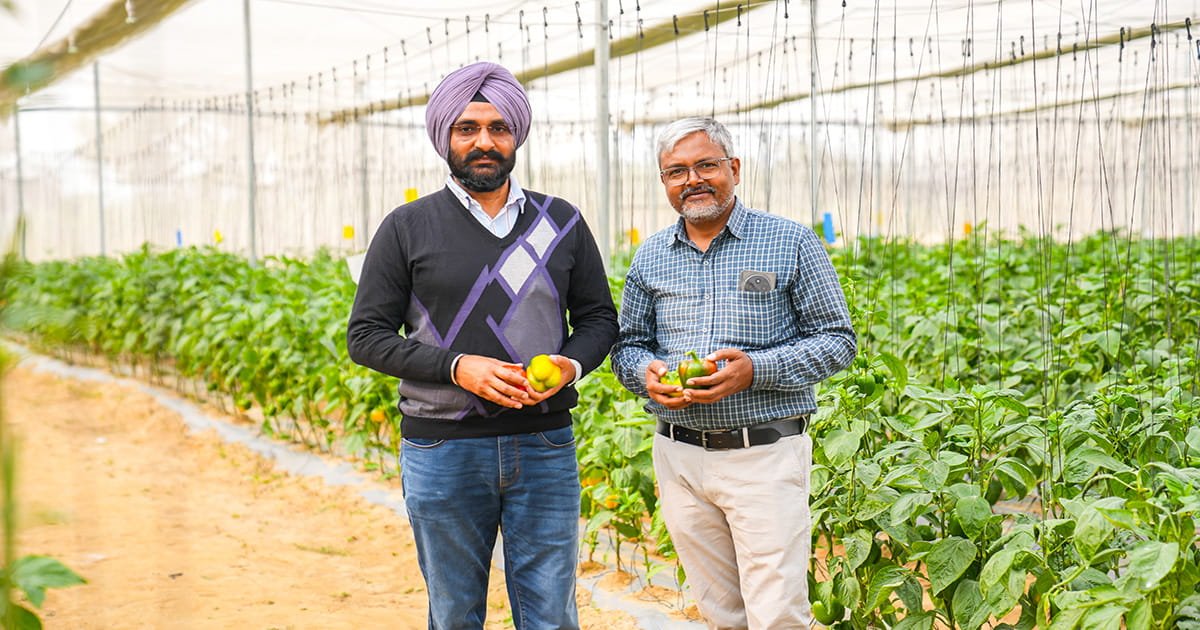
For commercial vegetable cultivation, every stage is connected. A delay in one operation often affects the next. Having timely technical support helps maintain continuity from transplanting to harvest while reducing unnecessary uncertainty during the growing season.
Planning the Next Stage of Protected Cultivation
After nearly nine years of farming under protected structures, Devendra still looks for ways to improve. Every completed crop gives him new ideas, and those lessons help shape his plans for the next season.
Looking ahead, he is considering crops such as melon and brinjal for future expansion. Rather than growing the same crops every season, he prefers evaluating new options that suit his land, local conditions, and market demand.
This willingness to keep learning reflects one of the strongest characteristics of experienced commercial growers. Expansion is not simply about increasing acreage. It is about improving planning, selecting suitable crops, and applying the lessons learned from previous seasons.
For Devendra, protected cultivation remains an evolving process where every season contributes to better decisions for the next.
His Advice to Farmers Planning Protected Cultivation
As more farmers show interest in protected cultivation, Devendra encourages them to slow down before making large investments. His advice is based entirely on practical experience gained over several years in the field.
According to him, enthusiasm alone is not enough. Before establishing any protected cultivation project, farmers should first understand their soil, study local growing conditions, and seek guidance from experienced professionals who have practical knowledge of commercial vegetable farming.
He also believes that protected cultivation requires full-time involvement. Farmers should be prepared to spend time inside their fields, understand every stage of crop management, supervise daily operations, and continue learning throughout the crop cycle.
Many projects face difficulties not because protected cultivation does not work, but because important decisions are taken without adequate technical guidance. Problems related to soil health, crop management, irrigation practices, or protected structures often develop when planning is incomplete.
His message is simple: begin only after understanding the complete system. The more prepared a farmer is before planting the first crop, the smoother the entire farming process becomes.
"Every new protected structure should solve a farming problem, not simply increase the cultivated area."
A Journey That Continues to Grow
Nearly a decade after beginning this journey, Devendra Singh continues to improve his farm one season at a time. His experience shows that successful farming is built through careful planning, regular field supervision, and a willingness to keep learning.
Instead of chasing rapid expansion, he focuses on making every new project practical and manageable. By combining protected structures with open-field cultivation and seeking technical guidance whenever needed, he has created a farming system that continues to evolve with experience.
For farmers planning a similar path, his story is a reminder that long-term success does not come from bigger investments alone. It comes from understanding the land, managing crops consistently, and making better decisions with every season.