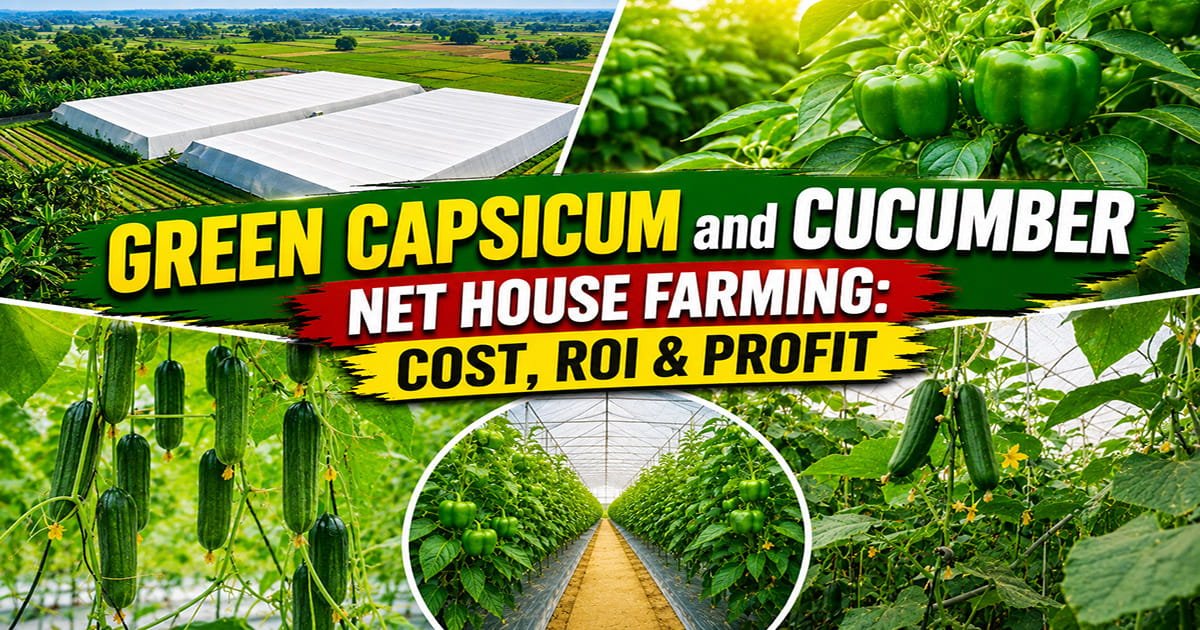
Green Capsicum & Cucumber Net House Farming: Cost, ROI & Profit
Protected cultivation has transformed the way commercial vegetable farming is practiced in India. With increasing climate uncertainty, fluctuating market prices, and rising production costs, farmers are shifting towards technologies that improve productivity while reducing production risks. Among the various protected cultivation systems, net house farming has become one of the most practical and cost-effective solutions for cultivating high-value vegetable crops such as Green Capsicum and Cucumber.
Unlike open-field farming, a well-designed net house creates a protected environment that minimizes damage caused by heavy rainfall, strong winds, excessive sunlight, and insect infestation. This controlled growing environment helps produce healthier crops, improves fruit quality, increases marketable yield, and enables better resource utilization through efficient irrigation and nutrient management.
However, before investing in a protected cultivation project, understanding the financial viability of the project is just as important as selecting the right crop. Farmers need reliable information about the project cost, annual operating expenses, crop-wise profitability, government subsidy, and return on investment (ROI) before making a significant investment.
This comprehensive guide explains the complete economics of a one-acre commercial net house project using two commercially important vegetable crops—Green Capsicum and Cucumber. The article covers infrastructure cost, annual operating expenses, crop-wise production economics, combined profitability, and NHM subsidy available in Uttar Pradesh to help farmers make informed investment decisions.
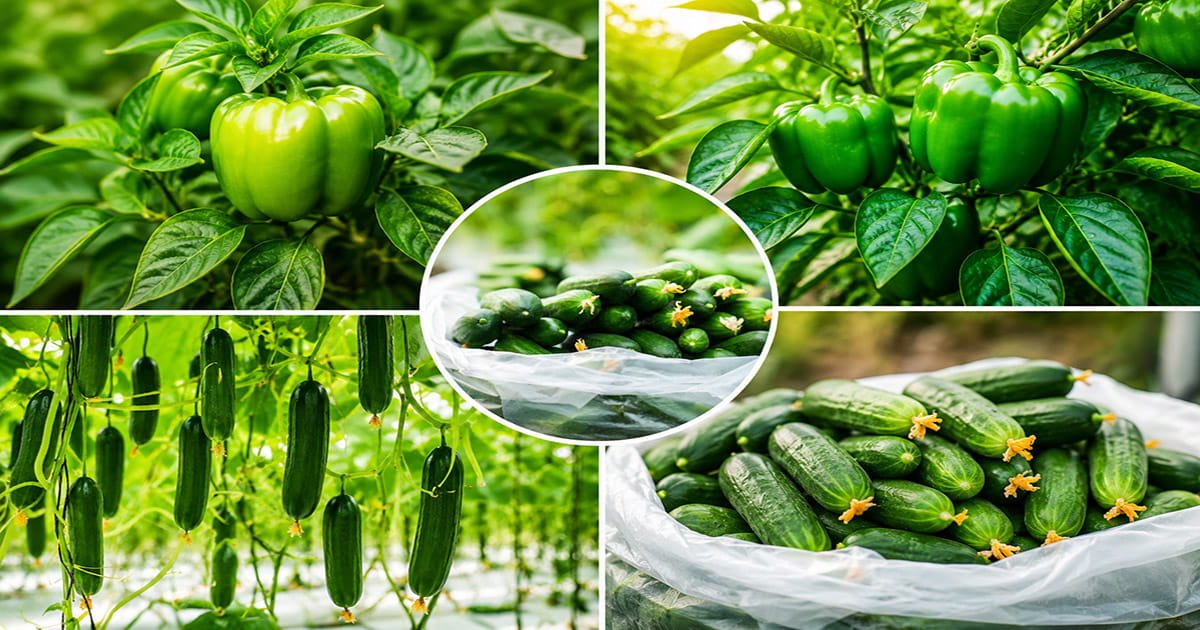
If you're exploring different protected cultivation options, you can also learn about Commercial Polyhouse Farming and explore crops suitable for protected cultivation before selecting the right project for your farm.
What is Net House Farming?
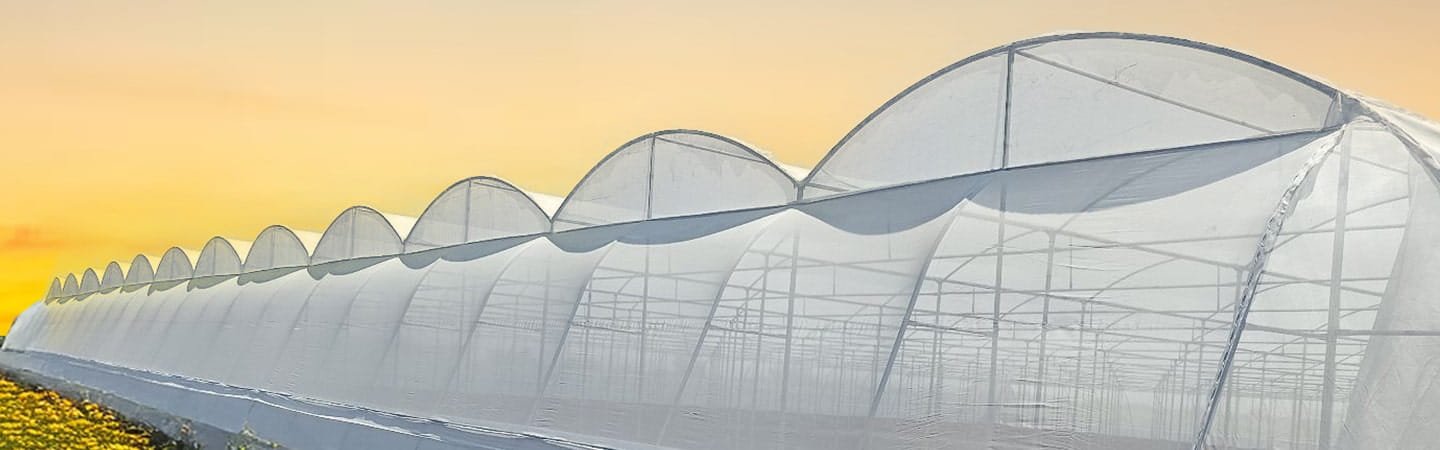
Net house farming is a protected cultivation method in which crops are grown inside an insect-proof structure covered with specialized netting. It helps reduce pest infestation, protects crops from adverse weather, improves crop quality, and supports higher productivity through scientific irrigation, fertigation, and crop management practices.
Why Green Capsicum & Cucumber Are an Ideal Crop Combination
A commercial net house is a long-term agricultural asset designed to support multiple crop cycles over several years. Instead of evaluating profitability based on a single crop, commercial farmers often cultivate more than one crop annually to maximise infrastructure utilisation and improve overall financial returns.
Green Capsicum and Cucumber complement each other well because they have different crop durations, production characteristics, labour requirements, and market demand. Cultivating these two crops sequentially allows farmers to utilise the net house efficiently throughout the year while generating income from multiple crop cycles.
- Efficient utilisation of the protected structure.
- Better annual revenue potential.
- Reduced idle time between crop cycles.
- Diversified production and market opportunities.
- Improved utilisation of irrigation and fertigation systems.
- Long-term optimisation of infrastructure investment.
"A commercial net house should be evaluated as a long-term investment. Growing more than one suitable crop during the year can improve infrastructure utilisation and strengthen the overall economics of the project."
Open Field Farming vs Net House Farming
| Open Field Farming | Net House Farming |
|---|---|
| Weather dependent | Protected environment |
| Higher pest attack | Reduced insect infestation |
| Lower crop quality | Better quality produce |
| Weather losses | Better crop protection |
Cost of One Acre Green Capsicum & Cucumber Net House Project
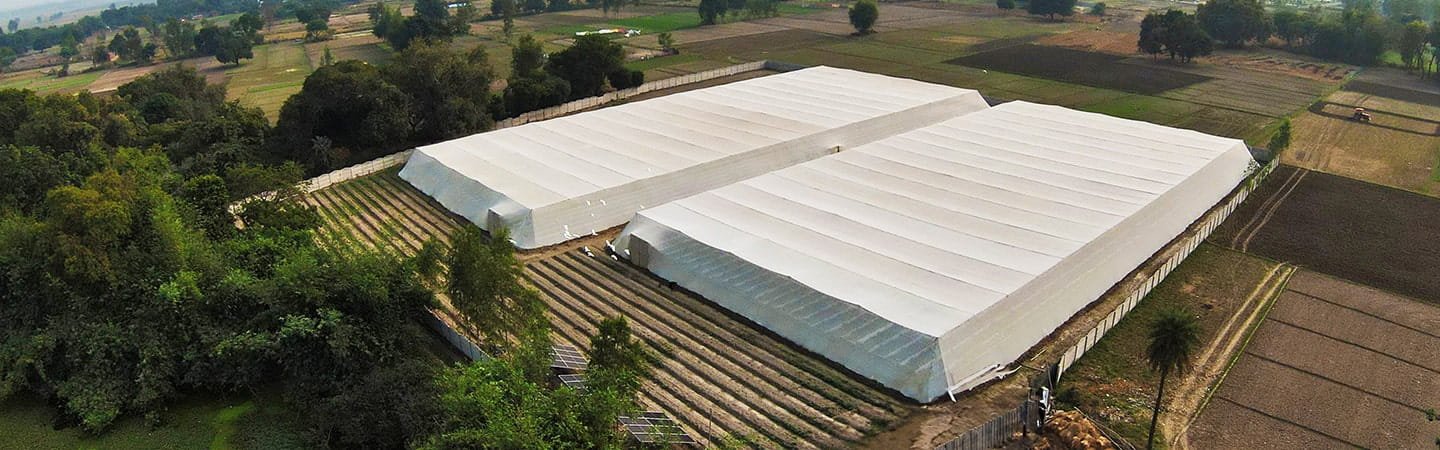
The project cost below represents the estimated investment required to establish a one-acre Cable Type Flat Roof Net House suitable for commercial cultivation of Green Capsicum and Cucumber under protected conditions. The infrastructure specifications remain the same irrespective of the crop and form the foundation of the overall project economics.
| Project Particulars | Specification / Cost |
|---|---|
| Structure Type | Cable Type Flat Roof Net House |
| Project Size | 1 Acre (4,092 Sq. Metre) |
| Grid Size | 8 m × 5 m |
| Structure Height | 4 Metres |
| Top Covering | 40 Mesh Insect Net |
| Side Covering | 40 Mesh Insect Net with Apron Stitching |
| Secondary Shade Net | White Shade Net (50%) |
| Manual Mechanism | Included |
| Trellising System | Included |
| Double Door Entry | Included |
| Tractor Door | Included |
| Ex-factory Price per Sq. Metre | ₹508.47 |
| Ex-factory Price per Sq. Metre with GST @18% | ₹600 |
| Net House Cost | ₹24,55,200 |
| Accessories | ₹3,15,238 |
| Civil Work | ₹1,50,000 |
| Miscellaneous, CA, CIPET, etc. | ₹1,85,000 |
| Estimated Total Project Cost | ₹31,05,438 |
| NHM Subsidy in Uttar Pradesh | ₹12,00,000* |
| Net Investment After Subsidy | ₹19,05,438* |
The subsidy shown above is indicative for eligible farmers in Uttar Pradesh under the National Horticulture Mission (NHM). The actual subsidy is subject to prevailing government guidelines, project approval, eligibility criteria, documentation, and verification by the concerned horticulture authorities. Farmers should always confirm the latest subsidy norms with their respective District Horticulture Office before planning a commercial project.
Farmers comparing different protected cultivation systems can also explore AgriFirst's Shade Net Structures and Greenhouse & Polyhouse solutions based on their crop requirements and investment plans.
Green Capsicum Economics Under Net House Farming
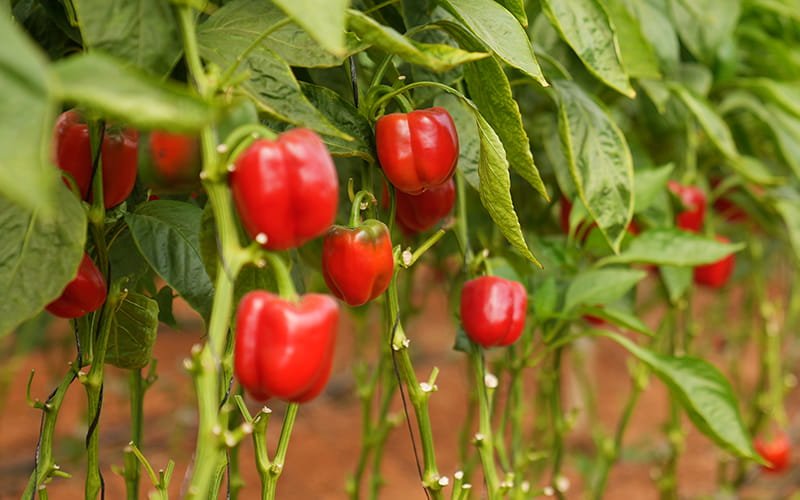
Green Capsicum is one of the most profitable vegetable crops cultivated under protected cultivation because of its consistent market demand, premium fruit quality, and ability to produce higher marketable yields under controlled growing conditions. Compared with open-field farming, cultivating Green Capsicum inside a commercial net house provides better protection against insect infestation, excessive rainfall, strong winds, and sudden climatic fluctuations, allowing farmers to produce a more uniform and high-quality crop throughout the production cycle.
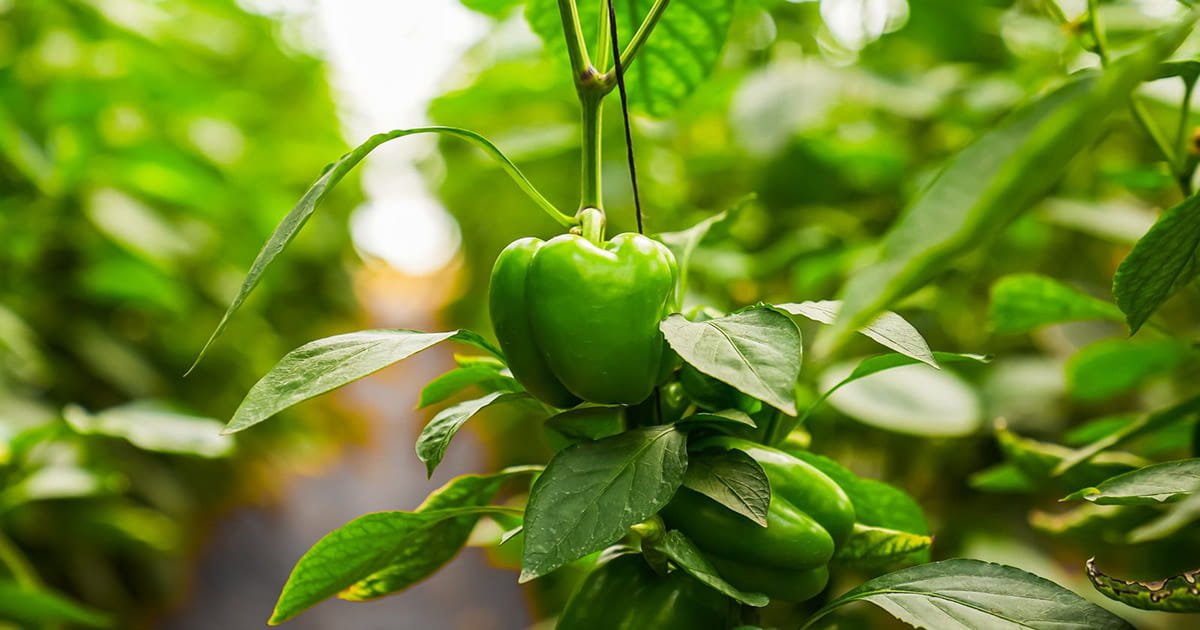
Commercial growers prefer Green Capsicum because it responds exceptionally well to scientific crop management practices such as drip irrigation, fertigation, pruning, training, trellising, and regular crop monitoring. These practices help improve fruit size, colour, firmness, shelf life, and overall market acceptance. As demand continues to increase from wholesale vegetable markets, supermarkets, hotels, restaurants, food processing industries, and retail chains, Green Capsicum remains one of the preferred crops for farmers adopting commercial protected cultivation.
Why Grow Green Capsicum Under a Net House?
A well-designed net house creates a favourable growing environment that supports healthier plant development while reducing production risks. Since Green Capsicum is highly sensitive to environmental stress, cultivating it under protected conditions enables farmers to maintain better crop uniformity and achieve higher-quality produce suitable for commercial markets.
- Consistent demand throughout the year.
- Improved fruit quality and uniform size.
- Reduced crop damage from heavy rainfall and strong winds.
- Better protection against insect infestation.
- Efficient use of water through drip irrigation.
- Better nutrient management using fertigation.
- Higher marketable yield compared with conventional cultivation.
- Suitable for commercial protected cultivation.
"Green Capsicum performs best when crop nutrition, irrigation scheduling, pruning, and plant protection are managed scientifically throughout the production cycle."
Crop Requirements for Green Capsicum
Although the net house provides a protected environment, successful Green Capsicum cultivation still depends on proper agronomic management. Maintaining suitable climatic conditions, healthy soil, balanced nutrition, efficient irrigation, and timely crop protection are essential for achieving consistent productivity and good fruit quality.
Climate Requirements
- Ideal temperature: 20°C–27°C
- Relative humidity: 60%–75%
- Good air circulation inside the structure.
- Protection from frost, heavy rainfall, and extreme heat.
Soil Requirements
- Well-drained fertile soil.
- High organic matter content.
- Soil pH between 6.5 and 7.5.
- Low salinity.
- Proper raised-bed preparation before transplanting.
Healthy nursery plants, proper spacing, balanced fertilization, timely irrigation, and regular crop monitoring significantly influence overall productivity. Scientific agronomy practices help maintain healthy plant growth while improving both yield and fruit quality throughout the harvesting period.
Best States for Green Capsicum Net House Farming
Commercial Green Capsicum cultivation under protected structures is expanding rapidly across India because of increasing consumer demand and the adoption of modern farming technologies. Several states have favourable climatic conditions and strong market access for commercial production.
- Uttar Pradesh
- Karnataka
- Maharashtra
- Andhra Pradesh
- Tamil Nadu
- Madhya Pradesh
- Chhattisgarh
- Bihar
- Himachal Pradesh
Crop Duration of Green Capsicum
In this financial model, Green Capsicum is considered the first crop of the annual cropping sequence. The crop generally remains productive for approximately 210–240 days, making it one of the primary revenue-generating crops under a commercial net house.
| Activity | Timeline |
|---|---|
| Nursery / Transplanting | 20 August – 10 September |
| Crop Duration | 210–240 Days |
| Harvest Completion | 20 March – 10 April |
Estimated Annual Operating Cost of Green Capsicum
The following operating expenses represent the estimated recurring cost required to cultivate one acre of Green Capsicum under protected conditions. These expenses include field preparation, labour, seed procurement, fertilizers, plant protection measures, and other essential crop management activities throughout the production cycle.
| Particulars | Amount |
|---|---|
| Field Preparation | ₹50,000 |
| Labour | ₹1,80,000 |
| Seeds | ₹35,000 |
| Fertilizers | ₹1,25,000 |
| Plant Protection | ₹55,000 |
| Other Expenses | ₹35,000 |
| Total Operating Cost | ₹4,80,000 |
Among all recurring expenses, labour represents the largest operational component because Green Capsicum requires continuous pruning, training, trellising, harvesting, grading, and crop monitoring. Timely field operations and scientific crop management contribute directly to maintaining fruit quality, reducing production losses, and improving commercial returns.
Estimated Production & Revenue of Green Capsicum Under Net House
Under proper agronomic supervision and scientific management, Green Capsicum can produce consistent yields with high market acceptance. Actual production depends on plant health, irrigation management, nutrient scheduling, pest control, and harvesting practices throughout the crop cycle.
| Particular | Value |
|---|---|
| Plant Population | 12,000 Plants |
| Average Yield Per Plant | 3 Kg |
| Estimated Production | 35,000 Kg |
| Average Selling Price | ₹30/Kg |
| Gross Return | ₹10,50,000 |
| Net Return | ₹5,58,000 |
Market Demand for Green Capsicum in India
Green Capsicum enjoys strong year-round demand across wholesale vegetable markets, supermarkets, hotels, restaurants, institutional buyers, and food processing businesses. Farmers producing fresh, uniform, and high-quality fruits under protected cultivation often benefit from improved market acceptance and better price realization. Proper harvesting, grading, packaging, and timely marketing further contribute to maximizing commercial profitability.
After completing the Green Capsicum production cycle, the same one-acre net house can be efficiently utilised for cultivating Cucumber. This sequential cropping approach helps maximise infrastructure utilisation and forms the basis of the combined ROI analysis discussed in the next section.
Choosing the right protected cultivation structure is just as important as selecting the crop. Explore AgriFirst's Greenhouse & Polyhouse product range for commercial farming.
Cucumber Economics Under Net House Farming
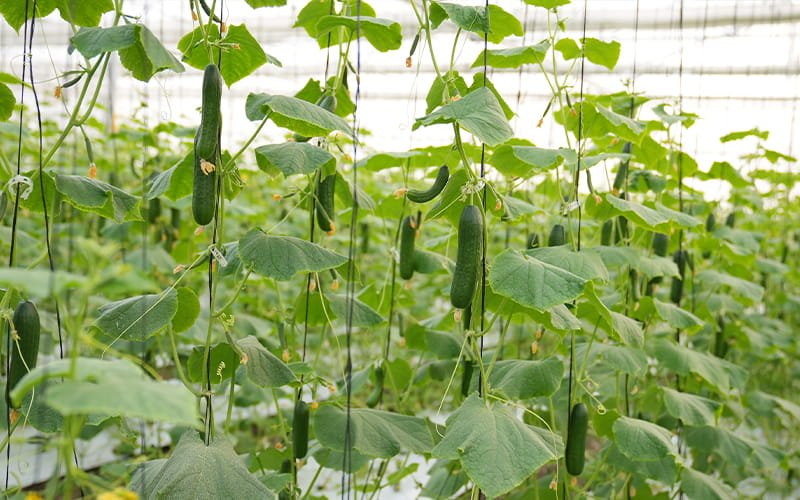
Cucumber is one of the most commercially successful vegetable crops grown under protected cultivation because of its short crop duration, high productivity, and continuous market demand. After completing the Green Capsicum crop cycle, many commercial growers utilize the same net house for cucumber cultivation, allowing them to maximize the productivity of their protected structure while generating an additional source of annual income.
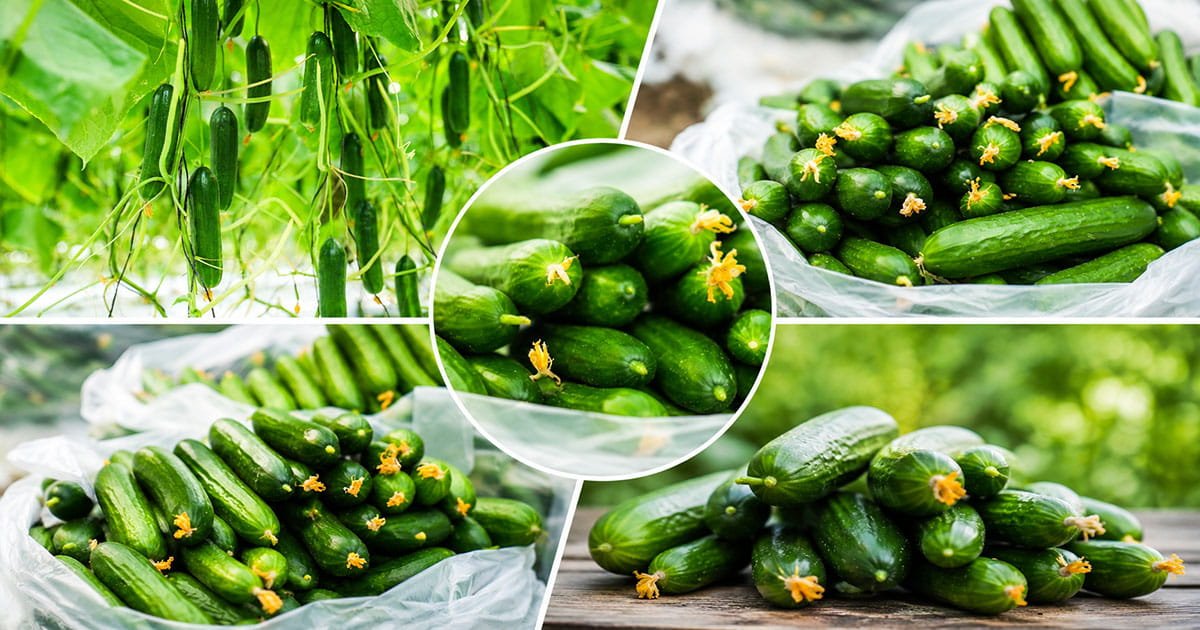
Compared with open-field cultivation, growing cucumber inside a net house provides a more stable growing environment that supports vigorous plant growth, better fruit quality, and reduced crop losses caused by adverse weather conditions. Scientific irrigation, fertigation, and crop management further improve productivity, making cucumber an ideal second crop for commercial protected cultivation.
Why Grow Cucumber Under a Net House?
Cucumber complements Green Capsicum exceptionally well because of its shorter production cycle and quick return on investment. Since the net house infrastructure is already established, farmers can continue utilizing the same protected environment efficiently without leaving the structure idle between crop cycles.
- Short crop duration with faster income generation.
- High productivity under protected cultivation.
- Strong year-round demand across wholesale and retail markets.
- Better fruit quality and uniformity.
- Efficient utilization of drip irrigation and fertigation systems.
- Reduced weather-related production risks.
- Suitable for sequential cultivation after Green Capsicum.
- Improves annual utilization of the net house.
"Cucumber is an excellent second crop for commercial net house farming because it combines a shorter crop cycle with strong production potential, helping improve the annual productivity of the protected structure."
Crop Requirements for Cucumber
Although cucumber is considered a relatively easy crop under protected cultivation, achieving higher yields requires proper crop planning, balanced nutrition, efficient irrigation scheduling, and timely plant protection measures. Maintaining suitable environmental conditions inside the net house contributes significantly to consistent production and fruit quality.
Climate Requirements
- Ideal temperature: 22°C–30°C
- Relative humidity: 60%–80%
- Good ventilation inside the net house.
- Protection from excessive rainfall and strong winds.
Soil Requirements
- Well-drained fertile soil.
- Rich organic matter content.
- Soil pH between 6.0 and 7.0.
- Low salinity for healthy root development.
- Proper bed preparation before sowing.
Scientific crop management, regular crop monitoring, proper irrigation scheduling, and balanced fertigation help maintain healthy vines, improve fruit development, and support consistent harvesting throughout the crop cycle.
Best States for Cucumber Net House Farming
Commercial cucumber cultivation under protected structures is expanding rapidly across India due to increasing consumer demand, better price realization, and the adoption of modern farming practices. Several states offer favourable climatic conditions and strong market opportunities for commercial production.
- Uttar Pradesh
- Karnataka
- Maharashtra
- Andhra Pradesh
- Telangana
- Tamil Nadu
- Madhya Pradesh
- Rajasthan
- Punjab
- Haryana
Crop Duration of Cucumber
In this financial model, cucumber is cultivated immediately after the Green Capsicum crop cycle. Its comparatively shorter crop duration enables farmers to generate additional revenue from the same one-acre net house within the same annual production cycle.
| Activity | Timeline |
|---|---|
| Seed Sowing | 20 April – 10 May |
| Crop Duration | 90–100 Days |
| Harvest Completion | 20 July – 10 August |
Estimated Annual Operating Cost of Cucumber
The following table presents the estimated annual operating cost for cultivating one acre of cucumber under a commercial net house. These expenses include field preparation, labour, seeds, fertilizers, plant protection, and other crop management activities required throughout the crop cycle.
| Particulars | Amount |
|---|---|
| Field Preparation | ₹65,000 |
| Labour | ₹1,20,000 |
| Seeds | ₹1,00,000 |
| Fertilizers | ₹70,000 |
| Plant Protection | ₹35,000 |
| Other Expenses | ₹30,000 |
| Total Operating Cost | ₹4,20,000 |
The operating cost reflects the recurring investment required to successfully manage the cucumber crop throughout its production cycle. Proper irrigation scheduling, balanced fertilizer application, timely plant protection, and efficient labour management contribute significantly to achieving higher productivity and maintaining fruit quality.
Estimated Production & Revenue of Cucumber Under Net House
Under scientific cultivation practices, cucumber demonstrates excellent production potential inside a protected structure. Actual production depends on plant health, irrigation management, fertigation scheduling, pest control, harvesting practices, and overall agronomic supervision.
| Particular | Value |
|---|---|
| Plant Population | 10,000 Plants |
| Average Yield Per Plant | 3.5 Kg |
| Estimated Production | 35,000 Kg |
| Average Selling Price | ₹25/Kg |
| Gross Return | ₹8,75,000 |
| Net Return | ₹4,55,000 |
Why Green Capsicum Followed by Cucumber Makes Commercial Sense
The economics presented in this article are based on cultivating two commercially important crops within the same one-acre net house. Green Capsicum serves as the primary long-duration crop, while cucumber is grown as the subsequent short-duration crop after the capsicum harvest. This sequential cropping approach improves the annual utilization of the protected structure and enables farmers to generate revenue from two crop cycles instead of relying on a single crop.
Rather than allowing the infrastructure to remain underutilized, this crop combination helps optimize the investment made in the net house. The following section presents the combined annual ROI and profitability analysis based on this Green Capsicum and Cucumber cropping sequence, providing a clearer understanding of the overall financial performance of the project.
You can also explore AgriFirst's Shade Net Structure products designed for commercial vegetable cultivation.
Who Should Invest in a Commercial Net House?
- Progressive farmers.
- Young agripreneurs.
- Commercial vegetable growers.
- Farmer Producer Organizations (FPOs).
- Farmers shifting to protected cultivation.
- Investors planning commercial farming projects.
Combined ROI of Green Capsicum & Cucumber Net House Farming
A commercial net house should be evaluated as a long-term agricultural investment rather than on the basis of a single crop. While the initial infrastructure cost remains the same, the annual profitability depends on how efficiently the protected structure is utilized throughout the year. Cultivating Green Capsicum as the primary crop followed by Cucumber as the second crop enables farmers to maximize the use of the same one-acre net house and generate income from two commercial crop cycles.
The following financial analysis combines the economics of Green Capsicum and Cucumber cultivated sequentially under the same protected structure. It provides an indicative estimate of annual operating cost, gross return, and net return based on the approved project assumptions used in this article.
Estimated Combined Annual Economics of One Acre Net House
| Particulars | Green Capsicum | Cucumber | Combined |
|---|---|---|---|
| Operating Cost | ₹4,80,000 | ₹4,20,000 | ₹9,00,000 |
| Gross Return | ₹10,50,000 | ₹8,75,000 | ₹19,25,000 |
| Net Return | ₹5,70,000 | ₹4,55,000 | ₹10,25,000 |
*The production, selling price, revenue, and profitability figures presented above are indicative estimates based on this financial model. Actual results may vary depending on crop management, climatic conditions, input costs, market prices, and farming practices.
Based on the above assumptions, the combined annual operating cost for cultivating Green Capsicum and Cucumber is approximately ₹9,00,000. The estimated combined gross return is ₹19,25,000, resulting in an indicative annual net return of approximately ₹10,25,000. Actual profitability may vary depending on production levels, market prices, crop health, labour availability, input costs, and farm management practices.
"A net house becomes more profitable when it is utilized efficiently across multiple crop cycles rather than depending on the income from a single crop."
Factors Affecting ROI in Net House Farming
Although the financial estimates presented above provide a practical understanding of commercial net house farming, actual returns depend on several agronomic and market-related factors. Scientific planning and proper crop management play a significant role in improving long-term profitability.
- Selection of suitable crop varieties.
- Healthy nursery plants and proper planting schedule.
- Balanced fertilizer and fertigation management.
- Timely irrigation scheduling.
- Effective pest and disease management.
- Regular pruning, training, and crop monitoring.
- Labour availability during harvesting.
- Efficient grading and post-harvest handling.
- Market demand and seasonal price fluctuations.
- Access to wholesale markets, retailers, and institutional buyers.
Farmers who consistently maintain crop quality, reduce production losses, and market their produce efficiently generally achieve better financial performance from protected cultivation projects.
Expert Tip
Before investing in a commercial net house, always conduct soil and water testing, study local market demand, and prepare a technically sound project report. Proper planning significantly improves long-term project success.
Advantages of Growing Green Capsicum & Cucumber Under One Net House
Using the same protected structure for two commercially important vegetable crops helps improve the utilization of infrastructure while creating multiple income opportunities during the year. This approach also supports better planning of farm resources and improves the overall financial sustainability of the project.
- Better utilization of the one-acre net house throughout the year.
- Income generation from two commercial crop cycles.
- Improved return from infrastructure investment.
- Reduced idle period between crop cycles.
- Efficient use of irrigation and fertigation systems.
- Better planning of labour and farm operations.
- Diversified production reduces dependency on a single crop.
- Suitable for commercial protected cultivation.
Why Farmers Choose AgriFirst for Net House Projects
Establishing a successful net house project involves much more than constructing a protected structure. Proper project planning, engineering, crop selection, irrigation design, agronomy support, and post-installation guidance all contribute to the long-term success of commercial protected cultivation.
- Scientifically designed commercial net house structures.
- Customized project planning based on crop requirements.
- Professional installation and execution support.
- Agronomy guidance throughout crop cultivation.
- Support for NHM subsidy documentation in Uttar Pradesh.
- Long-term technical assistance for protected cultivation.
With extensive experience in protected cultivation, AgriFirst supports farmers across India in establishing commercially viable net house projects designed to improve productivity, crop quality, and long-term profitability.
Planning to Start Green Capsicum & Cucumber Net House Farming?
If you are planning to establish a one-acre commercial net house, choosing the right structure, selecting suitable crops, and implementing scientific agronomy practices are critical for long-term success. A properly planned project not only improves crop productivity but also enhances the overall return on investment over multiple crop cycles.
AgriFirst provides end-to-end support for commercial protected cultivation, including project planning, net house construction, irrigation solutions, agronomy guidance, and assistance with NHM subsidy procedures for eligible farmers in Uttar Pradesh.
Whether you're starting your first protected cultivation project or expanding an existing farm, AgriFirst provides complete support—from project planning and net house construction to agronomy guidance. You can also explore our farmer success stories to see how commercial protected cultivation has transformed farming businesses across India. Get in touch with our experts for a customized project consultation, crop planning, and technical guidance tailored to your farm and investment goals.
Key Highlights at a Glance
- Estimated Project Cost: ₹31,05,438
- Indicative NHM Subsidy (Uttar Pradesh): ₹12,00,000*
- Estimated Net Investment: ₹19,05,438*
- Estimated Green Capsicum Net Return: ₹5,70,000
- Estimated Cucumber Net Return: ₹4,55,000
- Estimated Combined Annual Net Return: ₹10,25,000
Disclaimer: The project cost, operating expenses, production figures, selling prices, revenue estimates, ROI, and subsidy information presented in this article are indicative and based on the approved commercial assumptions used for this financial model. Actual results may vary depending on climatic conditions, crop management practices, market prices, input costs, labour availability, farmer expertise, and prevailing government guidelines. Farmers are advised to prepare a location-specific project report and consult technical experts before making investment decisions.
Conclusion
Green Capsicum and Cucumber together provide a practical crop combination for commercial net house farming by enabling better utilization of the protected structure throughout the year. With proper project planning, scientific crop management, efficient irrigation, balanced nutrition, and timely marketing, farmers can improve productivity while generating sustainable annual income from the same infrastructure investment.
For farmers planning to adopt protected cultivation, evaluating the complete project economics—including infrastructure cost, annual operating expenses, crop-wise profitability, combined ROI, and available NHM subsidy in Uttar Pradesh—helps in making informed investment decisions and building a financially sustainable farming enterprise.