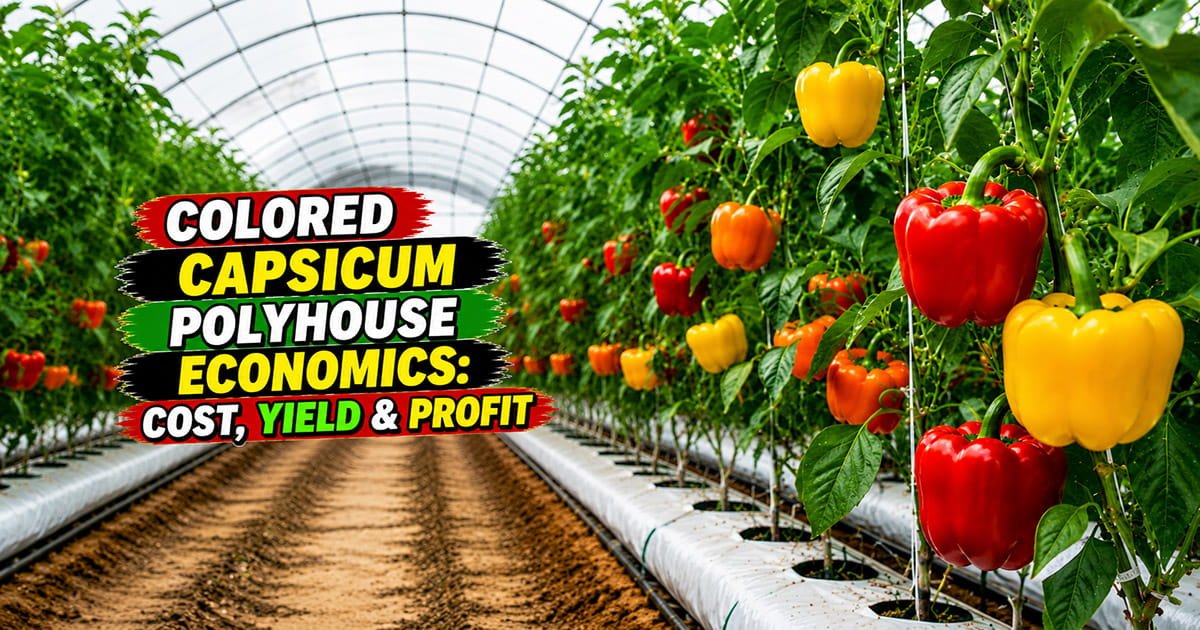
Colored Capsicum Polyhouse Economics: Cost, Yield, Profit & Subsidy Analysis (1 Acre Model)
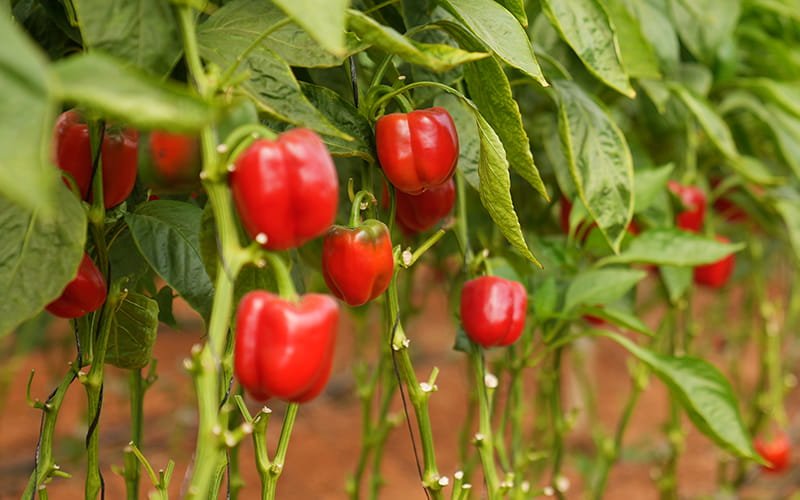
Colored capsicum polyhouse farming is one of the fastest-growing high-value agriculture models in India. With rising demand from supermarkets, hotels, and export chains, farmers are steadily shifting from open-field cultivation to controlled-environment farming systems. This AgriFirst guide breaks down the complete economics of a 1-acre colored capsicum polyhouse model — structure cost, production potential, and real profitability, based on current 2026 figures.
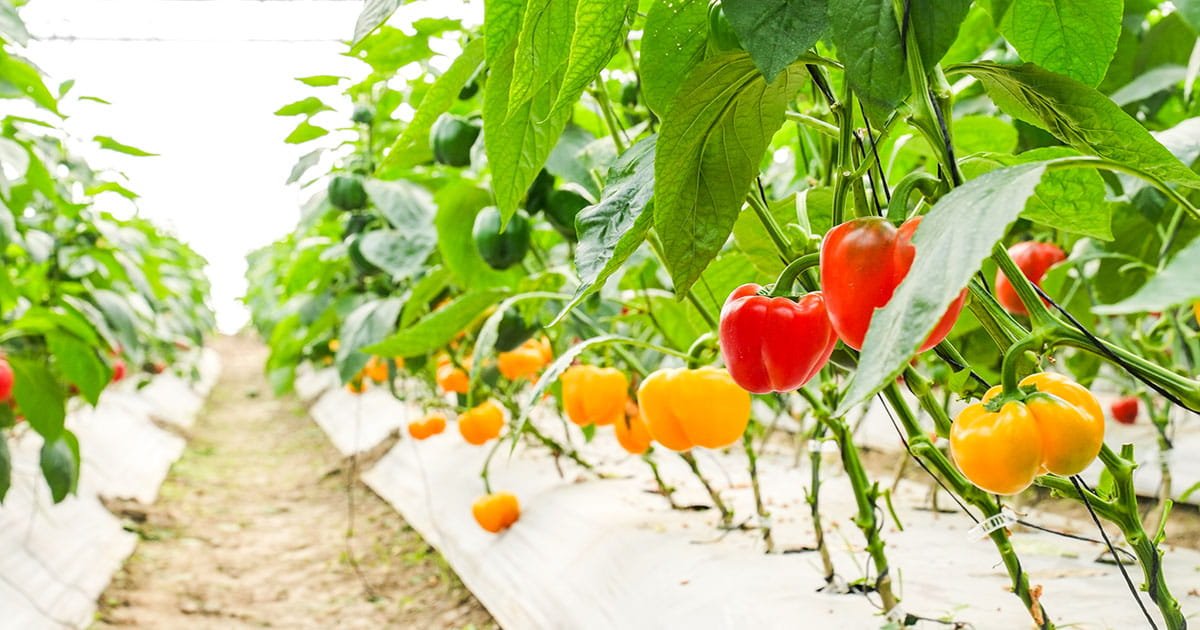
It's written for farmers, agri-investors, and rural entrepreneurs who want a clear financial picture of protected cultivation before committing to modern agriculture infrastructure. If you're comparing crops, AgriFirst's full list of crops suited to protected cultivation is worth a look alongside this analysis.
Yield Per Plant in Colored Capsicum Polyhouse Farming (Technical Insight)
Yield per plant is the single most important performance indicator in colored capsicum polyhouse farming. A commercial 1-acre polyhouse is typically maintained with approximately 10,000 plants per acre. Under good crop management practices, each plant can produce an average of 2.5–3.0 kg of marketable colored capsicum.
Based on this production level, the expected yield ranges between 25–30 tonnes per acre (25,000–30,000 kg). Actual production depends on crop variety, climate management, irrigation efficiency, nutrient management, pruning practices, and pest control measures.
For financial planning purposes, this model uses an average yield of 25 tonnes per acre (25,000 kg) with an average selling price of ₹100 per kg.
Cost Per Kg Production Breakdown in Colored Capsicum Polyhouse Farming
Total return figures can be misleading on their own — cost per kg is what actually tells you how profitable the operation is. Here's the breakdown for this 1-acre model:
| Total Operating Cost | ₹7,77,000 |
| Total Production | 25,000 kg |
| Cost Per Kg | ₹30.80 |
| Selling Price (Average) | ₹100 per kg |
| Net Margin Per Kg | ₹69.20 per kg |
Crop Requirements for Colored Capsicum (Critical Growth Factors)
High productivity and premium fruit quality depend on precise environmental control. Even small deviations in these three factors can significantly affect flowering and fruit development.
| Factor | Ideal Requirement | Importance |
|---|---|---|
| Temperature | 18°C to 35°C | Ensures proper flowering and fruit setting |
| Humidity | 50% to 70% | Prevents flower drop and pest infestation |
| Light Intensity | 55,000 to 65,000 lux | Supports photosynthesis and fruit colour development |
Geographic Compatibility for Colored Capsicum Polyhouse Farming
Colored capsicum can be grown successfully across multiple agro-climatic zones in India, provided irrigation and temperature control are managed properly inside the polyhouse.
| Suitability Level | States |
|---|---|
| High Suitability | Karnataka, Tamil Nadu, Maharashtra, Himachal Pradesh |
| Moderate Suitability | Punjab, Haryana, Uttar Pradesh, Madhya Pradesh, Gujarat |
| Expanding Regions | Bihar, Jharkhand, West Bengal, Odisha, Chhattisgarh |
Thanks to controlled cultivation technology, even non-traditional regions are now adopting polyhouse farming successfully, provided they have the right agronomy support in place.
Cost of 1 Acre Polyhouse
The table below sets out the fixed 1-acre polyhouse setup cost for this model.
| Project Particulars | Rate / Status |
|---|---|
| Size of the Unit | 1 Acre (4080 sq. m.) |
| Foundation Pipe | Included |
| Covering Plastic | Included |
| Secondary Layer Shade Net Manual Mechanism | Included |
| Shade Net for Top Vent | Included |
| Insect Net on Four Sides | Included |
| Bottom Skirting on Four Sides | Included |
| Manual Rollup Curtain | Included |
| Double Door Entry System (Aluminium Sliding Door with Buffer Zone) | Included |
| Trellising | Included |
| Structure Installation | Included |
| Ex-factory Price per Sq. Metre | ₹1060 / Sq. Metre |
| Ex-factory Price per Sq. Metre with GST @18% | ₹1250 / Sq. Metre |
| Total Investment Cost without Subsidy | ₹58,00,000* |
| NHB Subsidy | ₹28,00,000* |
| Total Investment Cost with Subsidy | ₹30,00,000* |
This subsidy is disbursed under the National Horticulture Board (NHB) framework, part of the wider Mission for Integrated Development of Horticulture (MIDH), which also runs the National Horticulture Mission (NHM) for smaller landholdings. It's credit-linked and back-ended, so the structure must be built and inspected before the subsidy is credited against your loan — see AgriFirst's dedicated NHB subsidy resources for the full application checklist.
Annual Operating Expenses & Net Return Analysis
Operating expenses cover the recurring costs needed to maintain crop health, manage labour, and keep production consistent through the full crop cycle.
| Particulars | Amount (₹) |
|---|---|
| Field Preparation | 80,000 |
| Labour (4 workers / 270 days) | 2,70,000 |
| Seeds (12,000 @ ₹10) | 1,20,000 |
| Fertilizers | 1,90,000 |
| Pesticides | 72,000 |
| Other Expenses | 45,000 |
| Total Operating Expense | ₹7,77,000 |
These figures cover all essential inputs for one full production cycle under controlled-environment farming conditions.
Net Return Analysis for Colored Capsicum Polyhouse Farming
Based on an average production of 25 tonnes (25,000 kg) per acre and an average selling price of ₹100 per kg, the estimated gross revenue from one crop cycle is approximately ₹25,00,000.
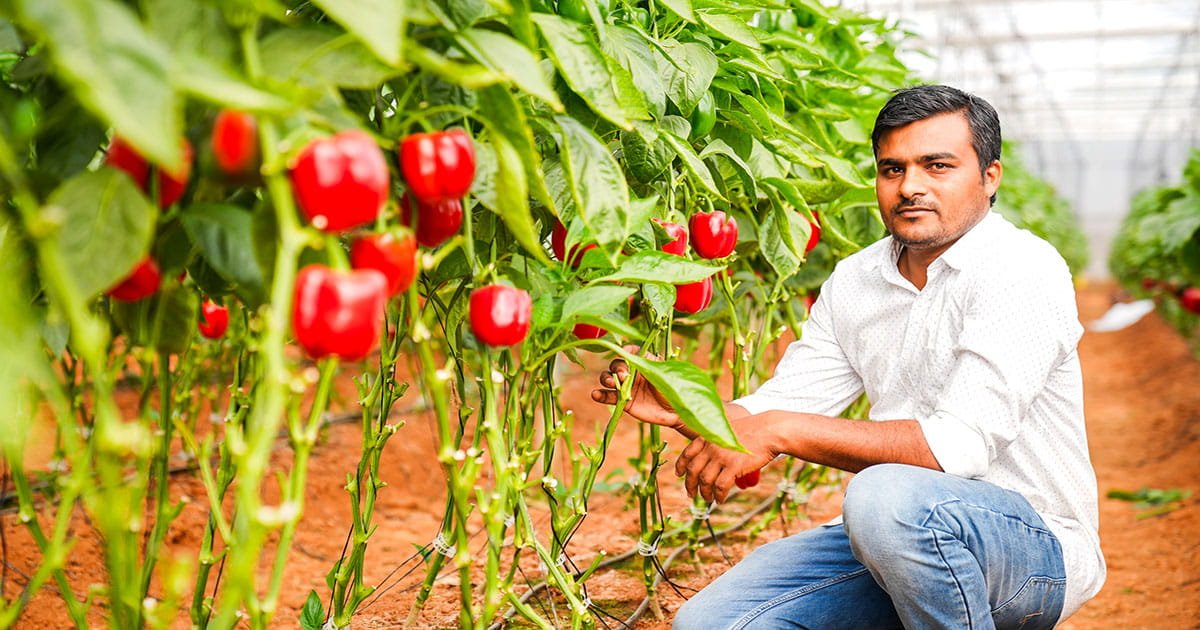
Based on the estimated gross revenue of ₹25,00,000 and total operating expense of ₹7,77,000, the projected net return from one crop cycle is approximately ₹17,23,000.
| Gross Return | ₹25,00,000 |
| Operating Expense | ₹7,77,000 |
| Estimated Net Return | ₹17,23,000 |
The actual net return may vary depending on yield achieved, market prices, crop quality, production efficiency, and local marketing conditions. However, the figures indicate the strong earning potential of colored capsicum under protected cultivation when managed properly.
Crop Deep-Dive: Growth Stages of Colored Capsicum in Polyhouse
Understanding the crop lifecycle is essential for hitting the yield numbers above. The plant moves through defined physiological stages, and each one needs precise environmental and nutrient management.
1. Seedling Stage (0–30 Days)
This stage begins in the nursery, where seeds germinate under controlled humidity and temperature. Healthy seedlings with strong root development are selected for transplanting into the polyhouse beds. Proper shading and balanced watering are critical here to avoid transplant stress.
2. Vegetative Growth Stage (30–60 Days)
Plants focus on stem, leaf, and root development during this phase. Drip irrigation and nutrient dosing play a major role in building plant strength, and early trellising setup typically begins here alongside proper spacing.
3. Flowering Stage (60–90 Days)
Flower formation starts, and the plant becomes highly sensitive to temperature and humidity swings. The polyhouse's controlled climate is what protects pollination and keeps flower drop to a minimum during this window.
4. Fruit Development & Harvest Stage (90–150 Days)
Fruits begin developing colour and size, transitioning into green, yellow, or red stages depending on variety. Harvesting happens in multiple rounds through this window, keeping revenue flowing continuously rather than in one lump sum.
Crop Cycle Timeline
- Total crop duration: 9–10 months per cycle
- Harvest period: Multiple harvests over several months
- Peak production period: Usually begins around 90–120 days after transplanting and continues through the harvesting phase
Pollination Process in Polyhouse Capsicum
Capsicum is naturally self-pollinated, but inside a polyhouse, growers often support this with vibration techniques or active pollinator management. Proper airflow and stable humidity are what ultimately drive successful fruit set and reduce flower abortion.
Market Intelligence: Price Variation & Demand Analysis
Seasonal Price Variation (₹70 to ₹300/kg)
Colored capsicum prices swing significantly with supply and demand cycles. During peak supply seasons, prices can drop to around ₹70–₹100/kg, while off-season or low-supply periods can push prices up to ₹200–₹300/kg in premium markets.
Why Capsicum Prices Fluctuate
- Seasonal production cycles in open-field farming
- Demand from hotels, retail chains, and exports
- Quality grading — A-grade greenhouse capsicum fetches a premium price
- Supply shortages during extreme weather conditions
- Premium demand for red, yellow, and orange colored capsicum
- Supply gaps during off-season production periods
Best Selling Seasons
Profitability tends to peak during monsoon-end and winter months, when open-field supply drops off. Greenhouse capsicum has a structural advantage here, since production stays stable year-round, letting growers time sales toward these higher-price windows deliberately.
Risk & Management in Colored Capsicum Polyhouse Farming
Pest and Disease Risks
The main threats are thrips, mites, whiteflies, and fungal infections, all of which can hurt flowering and fruit quality if left unchecked. Regular monitoring paired with integrated pest management (IPM) is essential rather than optional.
Climate Stress Management
Excess heat, humidity imbalance, and poor ventilation all lead to flower drop and smaller fruit. Side ventilation, fogging systems, and AgriFirst's shade net structures work together to keep the internal climate stable through extreme weather.
Common Reasons for Farming Failure
- Improper crop spacing and trellising
- Unbalanced fertilization and nutrient deficiency
- Poor pest management strategy
- Lack of monitoring during the flowering stage
- Ignoring microclimate control inside the polyhouse
Technical Farming Practices for High-Yield Capsicum Production
Drip Irrigation System Setup
Drip irrigation delivers water and nutrients precisely to the root zone, cutting waste and improving fertilizer efficiency. Polyhouse setups typically integrate fertigation on top of this for fully controlled nutrient application — and for growers working with difficult soil or water conditions, AgriFirst's hydroponic and soilless systems are worth considering as an alternative.
Trellising Method
Capsicum plants need vertical support to carry their fruit load. Trellising is typically done with nylon ropes or wires anchored to the overhead structure, which prevents stem bending, improves air circulation, and gets more fruit into direct light exposure.
Pruning Techniques
Pruning removes unwanted shoots and redirects the plant's energy toward fruiting. Done properly, it improves flowering, increases fruit size, and reduces disease risk by keeping airflow open inside the canopy.
Benefits of the AgriFirst Polyhouse System
| Benefit Area | Explanation |
|---|---|
| Structural Strength | Engineered for Indian climatic conditions and wind-load resistance |
| Crop Protection | Protects against rain, pests, and extreme weather conditions |
| Higher Yield Efficiency | Optimised trellising and spacing improve per-plant productivity |
| Agronomy Support | Continuous expert guidance for crop management |
| Water Efficiency | Drip irrigation reduces water usage significantly |
ROI Comparison: Polyhouse vs Open-Field Capsicum Farming
| Parameter | Polyhouse Farming | Open-Field Farming |
|---|---|---|
| Yield per acre | 25,000–30,000 kg | 10,000–15,000 kg (approx.) |
| Price stability | ₹70–₹300/kg (controlled-timing advantage) | ₹20–₹60/kg (high fluctuation) |
| Net return | Depends on market realization and operating expenses | Low and inconsistent income |
| Climate dependency | Controlled environment | Fully weather-dependent |
| Risk level | Low to medium | High risk |
This comparison shows polyhouse farming delivering significantly higher yield stability and financial returns than traditional open-field systems — though it's worth remembering this comes with a much larger upfront investment, even after subsidy.
How to Start a Colored Capsicum Polyhouse Project
Starting a polyhouse farming project takes structured planning, financial estimation, and technical guidance — land assessment, subsidy application, structure installation, and crop planning all need to happen in the right order. AgriFirst's commercial polyhouse farming service covers the full journey from setup to production management, helping farmers get the most out of their investment.
Conclusion
Colored capsicum polyhouse farming offers a profitable and sustainable agricultural model in India. With strong market demand, premium selling prices, and an average production of 25 tonnes (25,000 kg) per acre under protected cultivation, it remains one of the most attractive high-value crops for commercial polyhouse farming today.
AgriFirst continues to support farmers with advanced greenhouse structures, agronomy expertise, and end-to-end farming solutions built to improve productivity and income stability.