Dutch Rose Polyhouse Farming Cost, Yield & Profit Guide in India
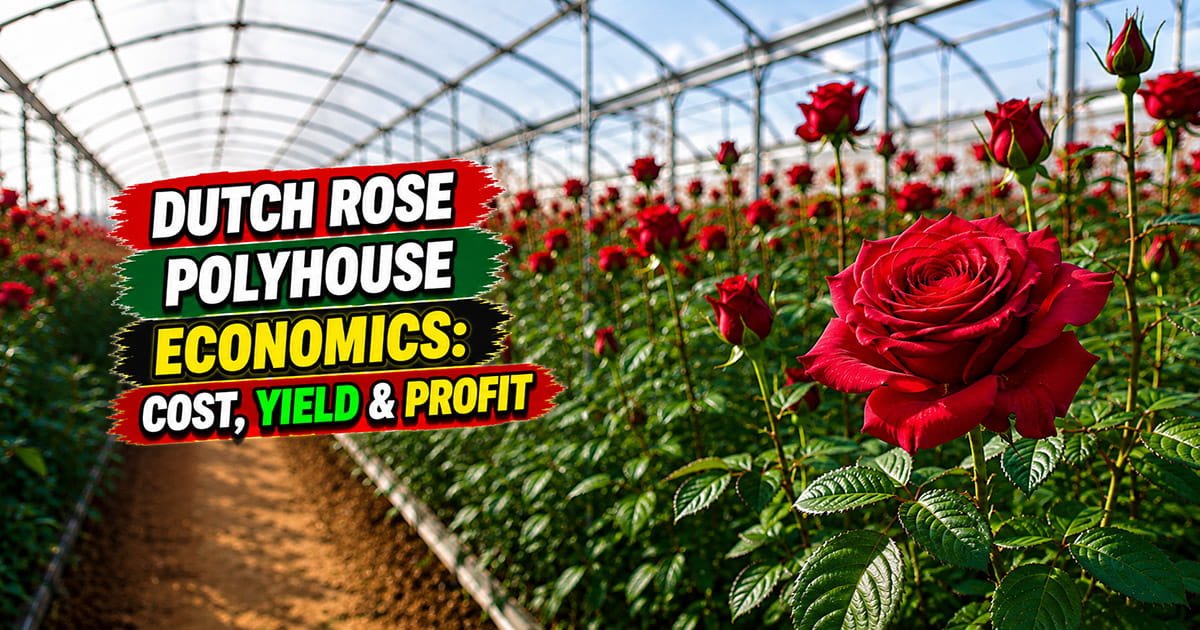
Dutch rose cultivation has become one of the most profitable commercial floriculture businesses under protected cultivation in India. Unlike open-field flower farming, Dutch roses require a carefully managed growing environment where temperature, humidity, irrigation, nutrition, and ventilation remain under control throughout the year. A well-designed polyhouse makes it possible to produce premium-quality flowers with long stems, vibrant colours, and excellent vase life that meet the requirements of wholesalers, retailers, event companies, and export-oriented buyers.
For commercial growers, Dutch rose farming is much more than planting flowers. It is an investment in infrastructure, crop management, quality control, and market planning. The success of the project depends on selecting the right polyhouse design, maintaining healthy plants, implementing scientific agronomy practices, and developing reliable marketing channels that ensure consistent sales throughout the production cycle.
This comprehensive guide explains everything a prospective grower should know before investing in a Dutch rose project, including crop requirements, suitable growing regions, one-acre polyhouse cost, annual operating expenses, expected yield, projected profitability, subsidy references, and important commercial considerations. If you are planning a protected cultivation project with AgriFirst, this guide will help you evaluate the investment from both a technical and financial perspective. You can also explore AgriFirst's greenhouse and polyhouse solutions while planning your project.
Why Dutch Rose Polyhouse Farming Is a High-Value Commercial Business
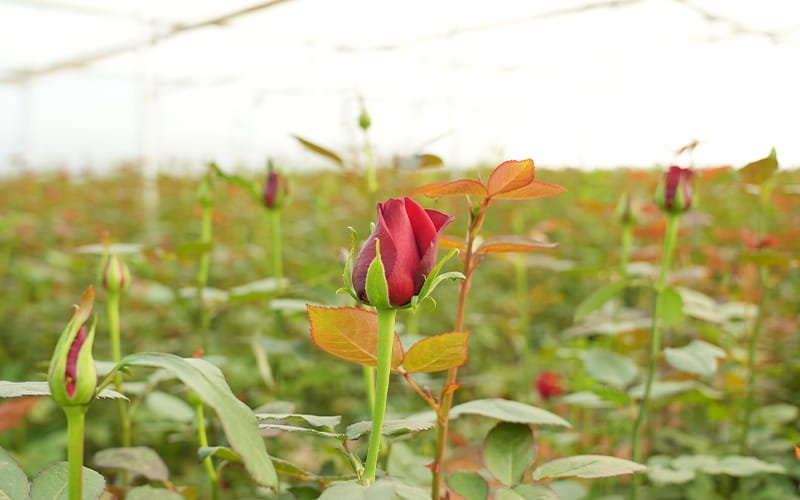
Dutch rose is among the highest-value flower crops cultivated under protected conditions because buyers pay premium prices for flowers that meet strict quality standards. Straight stems, large buds, uniform colour, longer shelf life, and consistent year-round availability make Dutch roses suitable for domestic wholesale markets as well as premium retail and export channels.
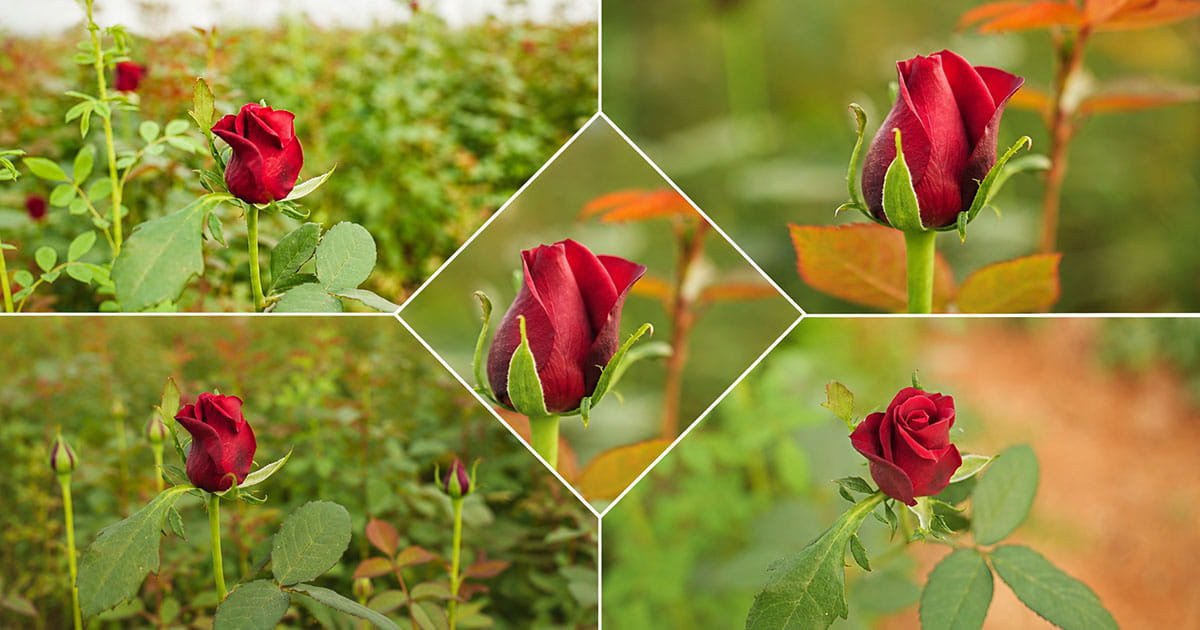
A polyhouse protects the crop from excessive rainfall, strong winds, temperature fluctuations, insects, and disease pressure while creating an environment where plant growth remains consistent. The controlled environment allows growers to harvest flowers over a much longer period compared with open-field cultivation, improving productivity and reducing quality losses.
Commercial floriculture is built on consistency. Buyers expect flowers of identical quality every day rather than occasional high production. A professionally managed polyhouse enables growers to achieve this consistency by controlling irrigation, fertigation, ventilation, shading, pruning, and crop hygiene throughout the production cycle.
Crop Requirements for Successful Dutch Rose Cultivation
Dutch roses perform best when environmental conditions remain stable. The ideal temperature generally ranges between 18°C and 32°C, while relative humidity is maintained around 50–60% to encourage healthy vegetative growth and high-quality flower production. Proper ventilation, adequate sunlight, and efficient shading systems help maintain these conditions throughout different seasons.
The growing beds should be well-drained, fertile, rich in organic matter, and capable of maintaining adequate aeration around the root zone. Soil preparation, organic amendments, irrigation uniformity, and balanced fertigation schedules all contribute significantly to long-term productivity. Dutch roses respond particularly well to disciplined crop management rather than occasional corrective measures.
Regular pruning, disbudding, sucker removal, integrated pest management, disease monitoring, and timely harvesting are equally important. Commercial flower quality depends not only on production volume but also on stem length, bud development, colour uniformity, and post-harvest freshness. Growers interested in comparing different protected cultivation systems may also explore AgriFirst's shade net structures before selecting the appropriate production model.
Best States for Dutch Rose Polyhouse Farming in India
Dutch rose cultivation has developed successfully in Karnataka, Tamil Nadu, Maharashtra, and Himachal Pradesh, where favourable climatic conditions and established floriculture markets support commercial flower production. These regions have extensive experience with protected cultivation and often supply flowers to major domestic and export markets.
However, commercial Dutch rose cultivation is not limited to these states. Modern naturally ventilated polyhouses with proper climate management can also support successful production in Haryana, Punjab, Uttar Pradesh, Madhya Pradesh, Gujarat, Rajasthan, Bihar, West Bengal, Odisha, Chhattisgarh, and several other regions. Ultimately, the quality of the structure, irrigation system, agronomic practices, and crop management has a greater influence on profitability than geographical location alone.
Farmers planning commercial protected cultivation can also review AgriFirst's recommendations under crops for protected cultivation to compare Dutch roses with other high-value commercial crops suitable for polyhouse farming.
Dutch Rose Yield & Production Potential Per Acre
A typical one-acre commercial Dutch rose project accommodates approximately 30,000 nursery-raised plants. These plants are established once during project implementation and remain commercially productive for multiple years under proper crop management, making planting material a long-term capital investment rather than a recurring annual expense.
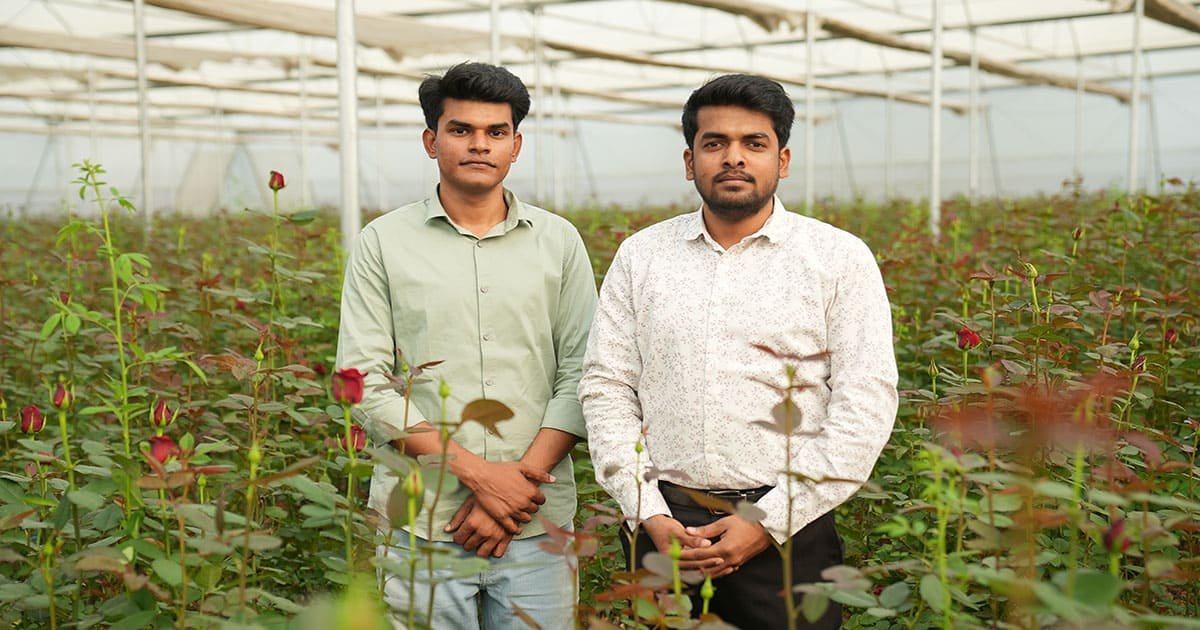
Based on the project economics, each plant is expected to produce approximately 19 marketable stems annually, resulting in an estimated production of around 5,70,000 stems per acre every year. Actual production may vary depending on plant health, climatic conditions, pruning schedules, fertigation management, and disease control.
While production quantity is important, commercial success depends equally on flower quality. Premium buyers generally pay more for flowers that meet grading standards related to stem length, bud size, freshness, colour uniformity, and shelf life. Therefore, growers should focus on maintaining both productivity and quality to maximize long-term profitability from Dutch rose polyhouse cultivation.
Cost of 1 Acre Polyhouse Structure in India
Disclaimer: The following polyhouse structure cost is indicative and based on AgriFirst's standard 1-acre naturally ventilated polyhouse package. Actual pricing may vary depending on project location, transportation, steel specifications, covering material, labour, and applicable government policies.
A commercial Dutch rose project begins with a well-engineered polyhouse structure that creates the ideal environment for producing premium-quality flowers throughout the year. The investment in the structure is separate from the annual crop operating expenses and should be considered a long-term infrastructure investment. A properly designed polyhouse provides controlled ventilation, insect protection, efficient irrigation support, and a stable growing environment that helps improve productivity and flower quality over multiple cropping years.
| Project Particulars | Rate / Status |
|---|---|
| Size of the Unit | 1 Acre (4080 sq.m.) |
| Foundation Pipe | Included |
| Covering Plastic | Included |
| Secondary Layer Shade Net Manual Mechanism | Included |
| Shade Net for Top Vent | Included |
| Insect Net on Four Sides | Included |
| Bottom Skirting on Four Sides | Included |
| Manual Rollup Curtain | Included |
| Double Door Entry System (Aluminium Sliding Door with Buffer Zone) | Included |
| Trellising | Included |
| Structure Installation | Included |
| Ex-factory Price per Sq. Metre | ₹1060 / Sq. Metre |
| Ex-factory Price per Sq. Metre with GST @18% | ₹1250 / Sq. Metre |
| Total Investment Cost without Subsidy | ₹65,00,000* |
| NHB Subsidy | ₹36,00,000* |
| Total Investment Cost with Subsidy | ₹29,00,000* |
Important Note: Government subsidy depends on eligibility criteria, project approval, inspection, documentation, and prevailing scheme guidelines. Farmers should verify the latest subsidy provisions before making an investment decision.
Annual Operating Expenses & Net Return from Dutch Rose Cultivation
Disclaimer: The following ROI model is based on a commercial one-acre Dutch rose project under protected cultivation. Actual profitability depends on crop management, market demand, flower grade, climatic conditions, labour availability, and selling price.
The annual operating expenses for Dutch rose cultivation are separate from the initial polyhouse investment and represent the recurring costs required to manage the crop throughout the year. According to the project economics, approximately 30,000 Dutch rose plants are cultivated per acre, producing nearly 5,70,000 marketable stems annually. At an average selling price of ₹5.50 per stem, the estimated gross annual revenue is around ₹31,35,000. After deducting the annual operating expenditure of ₹11,24,000, the projected net annual return is approximately ₹20,11,000 per acre. These figures are indicative and may vary depending on productivity, flower quality, market prices, and management practices.
| Particulars | Amount (₹) | Information |
|---|---|---|
| Permanent Supervisor | 1,80,000 | Annual salary for one supervisor |
| Labour | 3,84,000 | Four labourers for routine crop operations |
| Fertilizers | 2,20,000 | Water-soluble fertilizers and micronutrients |
| Pesticides | 1,20,000 | Crop protection chemicals |
| Packing Material | 1,20,000 | Harvesting, bunching and packaging |
| Other Expenses | 1,00,000 | Electricity, maintenance, tools and miscellaneous expenses |
| Total Annual Operating Expense | 11,24,000 | Recurring annual cultivation cost |
| Plant Population | 30,000 Plants | Commercial plantation density |
| Average Production | 5,70,000 Stems | Approximately 19 stems per plant annually |
| Average Selling Price | ₹5.50 / Stem | Indicative average market realization |
| Gross Return | 31,35,000 | Estimated annual revenue |
| Net Return | 20,11,000 | Gross return minus annual operating expenses |
Higher profitability can be achieved through better flower grading, improved post-harvest handling, reduced production losses, and stronger market linkages. Since Dutch roses are a premium floriculture crop, maintaining consistent quality often has a greater impact on profitability than simply increasing production volume. Growers who combine scientific crop management with efficient marketing strategies are generally better positioned to achieve sustainable long-term returns from protected cultivation.
Step-by-Step Plan to Start Dutch Rose Polyhouse Farming
A successful Dutch rose polyhouse project begins long before the first plant is transplanted. Commercial flower cultivation requires careful planning, infrastructure development, technical expertise, and a clear understanding of market demand. Farmers who invest time in project planning generally experience better productivity, lower operational risks, and more consistent financial returns throughout the crop cycle.
The first step is to evaluate the land and available resources. The site should have good road connectivity, reliable electricity, sufficient water supply, proper drainage, and adequate sunlight throughout the year. Water quality should also be tested because Dutch roses respond best when irrigation water has balanced pH and acceptable salinity levels. These preliminary assessments help avoid future production challenges and ensure that the project remains commercially sustainable.
The second step involves selecting the appropriate naturally ventilated polyhouse design. The structure should provide proper ventilation, insect protection, durable covering material, efficient irrigation, and adequate crop support systems. Before investing, many growers compare different protected cultivation models and review commercial polyhouse farming solutions to identify the most suitable configuration for their production goals.
Once the infrastructure is ready, the next priority is crop establishment. Healthy nursery-raised planting material, scientifically prepared growing beds, balanced fertigation schedules, and uniform irrigation lay the foundation for long-term productivity. During cultivation, growers should maintain regular pruning, sucker removal, integrated pest management, and continuous crop monitoring to ensure consistent flower quality throughout the production cycle.
Harvesting and post-harvest handling are equally important. Flowers should be harvested at the appropriate stage, graded according to market specifications, packed carefully, and transported quickly to maintain freshness. Premium buyers generally pay higher prices for flowers with excellent stem length, uniform buds, vibrant colours, and longer vase life. Efficient post-harvest management therefore contributes directly to improved profitability.
Why Growers Choose AgriFirst for Dutch Rose Polyhouse Projects
A Dutch rose project is a long-term commercial investment that requires much more than simply installing a polyhouse. Success depends on integrating structural engineering, crop planning, irrigation, agronomy, and commercial management into one complete solution. AgriFirst supports growers by combining technical expertise with practical farming knowledge, helping reduce operational risks from project planning through crop production.
- Scientifically engineered polyhouse structures: Designed to provide optimum ventilation, insect protection, durability, and a stable growing environment suitable for commercial floriculture.
- Crop-focused project planning: Every project is planned according to the specific requirements of Dutch rose cultivation, ensuring proper layout, irrigation design, and crop support systems.
- Professional agronomy guidance: Growers receive technical support on irrigation scheduling, fertigation, pruning, pest management, and crop health throughout the production cycle.
- Commercial project execution: From initial consultation to installation and project commissioning, AgriFirst follows a systematic approach that helps farmers establish productive and efficient commercial farms.
- Long-term farming partnership: Beyond infrastructure, AgriFirst focuses on helping growers improve productivity, maintain flower quality, and build sustainable farming businesses.
Farmers exploring future expansion opportunities may also review AgriFirst's hydroponics and soilless farming solutions and shade net products for additional protected cultivation options that complement long-term farm development.

Commercial Outlook: How Farmers Can Improve Profitability
Dutch rose farming offers attractive commercial potential because premium-quality flowers continue to experience strong demand across wholesale flower markets, retail florists, event management companies, hotels, religious institutions, and export-oriented buyers. However, profitability depends less on production volume alone and more on maintaining consistent flower quality throughout the year.
Higher returns are generally achieved by improving stem length, bud size, colour uniformity, harvesting efficiency, and post-harvest handling while reducing crop losses caused by pests, diseases, or improper irrigation. Even small improvements in flower grading and market realization can significantly increase annual profitability without expanding the cultivation area.
Successful commercial growers also diversify their marketing channels instead of relying on a single buyer. Establishing relationships with wholesalers, retailers, florists, wedding decorators, institutional buyers, and flower auction markets helps reduce price fluctuations and creates greater financial stability over the long term. When production planning and market strategy work together, Dutch rose cultivation becomes a sustainable commercial enterprise rather than seasonal farming.
Conclusion
Dutch rose polyhouse farming has emerged as one of India's most promising commercial floriculture businesses because it combines year-round production with premium flower quality and strong market demand. Although the initial infrastructure investment is significant, growers who adopt scientific cultivation practices and maintain consistent crop quality can build a sustainable and profitable farming enterprise over the long term.
As discussed throughout this guide, commercial success depends on much more than constructing a polyhouse. Proper site selection, quality planting material, efficient irrigation, balanced fertigation, disciplined crop management, and well-planned marketing channels all contribute to improving productivity and maximizing profitability. Farmers should evaluate project costs, annual operating expenses, expected returns, subsidy opportunities, and local market demand before making an investment decision.
With the right planning, professional technical guidance, and disciplined farm management, Dutch rose cultivation under protected conditions can become a reliable source of long-term agricultural income. Partnering with an experienced protected cultivation company such as AgriFirst helps farmers establish commercially viable projects that are designed for productivity, durability, and sustainable business growth.