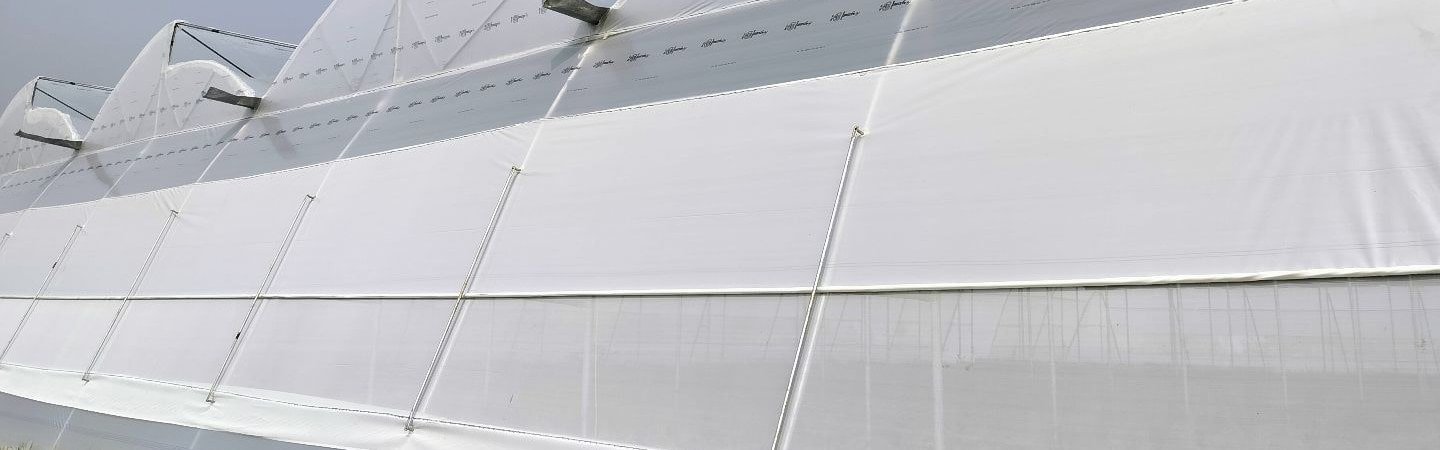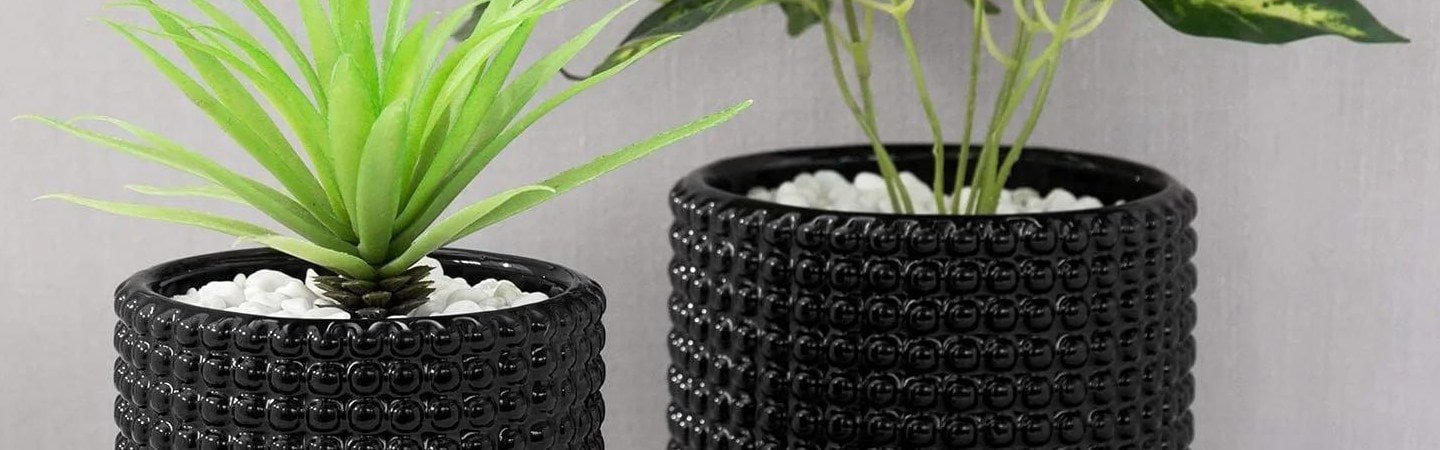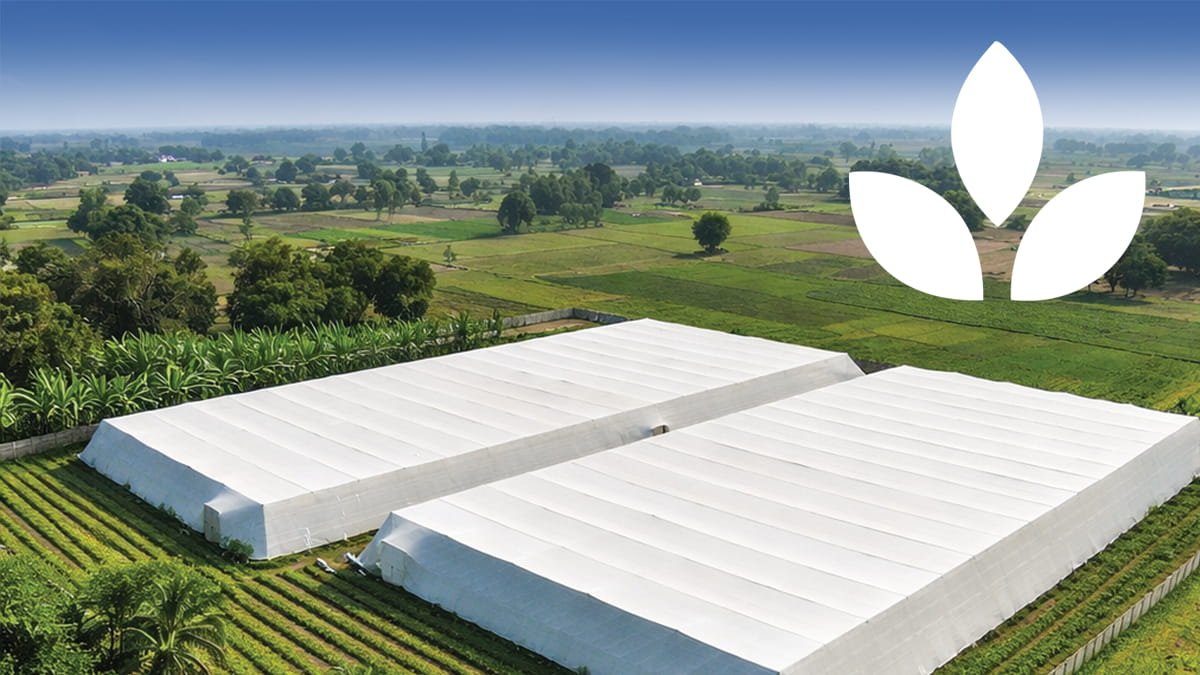
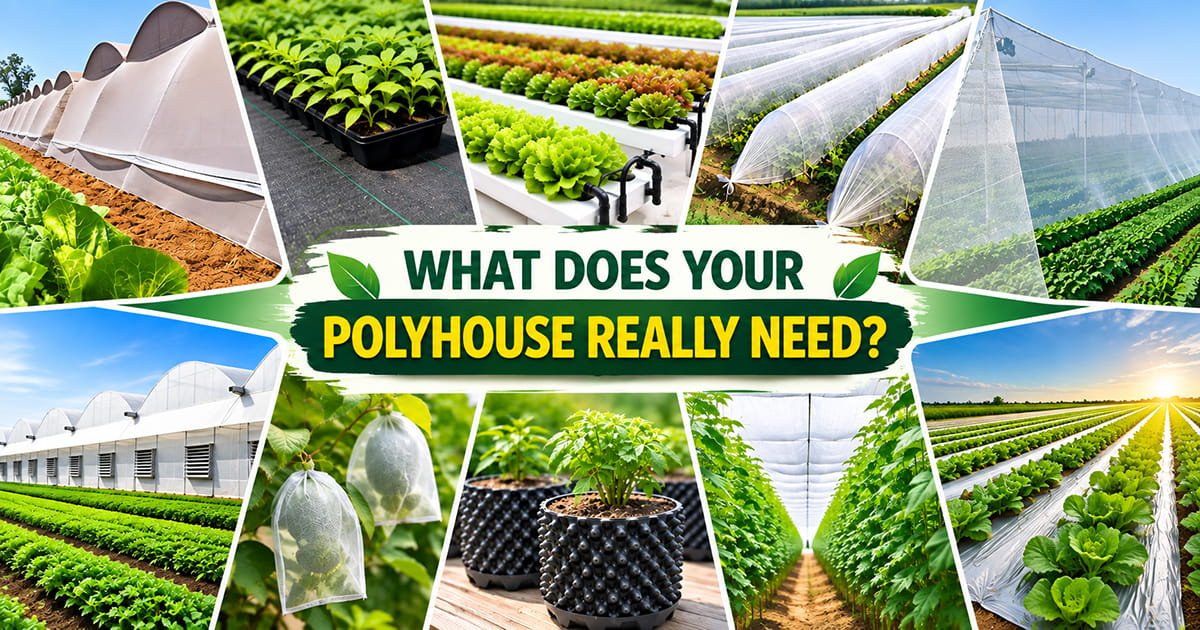
A polyhouse structure creates the protected growing environment, but the structure alone does not complete the farm. Commercial protected cultivation also depends on the materials used on crop beds, greenhouse floors, growing systems, ventilation openings, crop-support systems and other working areas.
This is where choosing the right farm inputs for polyhouse farming becomes important. Mulching film performs a different job from a ground cover. A growing trough has a different role from an insect net. Trellising components, nursery films, crop covers and greenhouse accessories each support a specific part of the production environment.
Instead of looking at these materials as unrelated accessories, it is more useful to understand where each one fits within a polyhouse operation. Here are nine important groups of farm inputs and the practical role each can play.
Mulching films, ground covers and weed mats, soilless growing solutions, nursery and solarization films, anti-hail nets, greenhouse accessories, crop and fruit covers, air-pruning pots, and anti-insect nets.
1. Mulching Films for Crop-Bed Management
Mulching film is one of the most practical inputs used directly around the crop bed. Its role is to cover the soil surface so that light is blocked from the covered area, weed growth is suppressed, soil moisture is conserved and the root-zone environment can be managed more effectively.
The important point is that mulch should be selected according to the crop and cultivation setup rather than treating every mulching film as interchangeable.
Pre-punched hole mulch is suited to row crops where defined planting positions are required. Available hole-spacing options make it suitable for crops such as tomato, capsicum, chilli, brinjal, cabbage, cauliflower, lettuce and strawberry.
Silver/black mulch combines a reflective upper surface with a black underside. The black side blocks light at the soil surface, while the silver surface reflects light.
For closely planted crops such as onion and garlic, a high-density pre-punched mulch provides the tighter planting pattern these crops require. Orchard mulch is a wider, heavier-duty alternative intended for fruit trees and perennial cultivation.
Embossed mulch adds a textured surface. This improves contact with the soil and makes the film particularly relevant where wind uplift and film movement are concerns.
2. Weed Mats and Ground Covers for Greenhouse Floors
Mulching film and weed mat are sometimes grouped together, but they serve different areas of the farm. Mulch is primarily associated with the crop bed, while woven ground cover can be used across greenhouse floors, nursery pathways, container-growing areas and other working surfaces.
A woven polypropylene weed mat blocks light while remaining permeable to water. In a greenhouse, it can provide a cleaner walking and working surface while suppressing unwanted weed growth beneath the covered area.
The available ground-cover range includes 90 GSM, 100 GSM and 130 GSM options. The correct choice depends largely on the level of durability required.
- 90 GSM: suitable for greenhouse floors, nursery pathways and container-growing areas.
- 100 GSM: a heavier option for demanding commercial applications and higher-traffic areas.
- 130 GSM: intended for permanent and particularly demanding installations requiring greater strength and puncture resistance.
Installation also matters. Weed mat nails use a wide-head design to hold the fabric against the ground while reducing the risk of the fixing pulling through the material. They can be used with weed mats, ground covers and compatible agricultural fabrics.
3. Soilless Growing Troughs and Strawberry Containers
Where crops are cultivated in soilless media, the growing container becomes part of the production system itself. It has to hold the growing medium while providing the drainage and root-zone arrangement required by the crop system.
Mapal Growing Troughs are designed for commercial soilless production and can be used with media including cocopeat, perlite and rockwool. Their applications include crops such as tomato, capsicum, cucumber, strawberry, lettuce and herbs.
Strawberry production has a more specialised option through elevated strawberry containers. Two configurations are available: open type and closed type.
The open-type strawberry container provides free drainage and allows plants to be grown above ground level. Its elevated arrangement supports easier access during planting, crop maintenance and harvesting while keeping fruit away from direct soil contact.
The closed-type strawberry container adds controlled drainage and collection of excess nutrient solution for recirculation. This makes the distinction between the two systems important: growers should choose the container according to whether the cultivation setup is designed around open drainage or nutrient-solution recovery.
4. Nursery and Soil Solarization Films
Not every protected-cultivation film is used as the main greenhouse covering. Specialised clear films also have roles in nursery protection and soil preparation.
Anti-drip clear nursery film is intended for nursery rain shelters and propagation environments. Its anti-drip surface treatment changes the way condensation behaves on the film, allowing moisture to move along the surface rather than forming large droplets that fall directly onto seedlings and cuttings.
This makes the film particularly relevant where young planting material needs transparent overhead protection while maintaining light transmission.
Soil solarization film serves a different purpose. Transparent polyethylene film is laid tightly over pre-irrigated soil during hot conditions. Solar radiation passes through the clear film and heat becomes trapped beneath it, increasing soil temperature.
The supplied system uses a treatment period of approximately 4–6 weeks during hot summer conditions. The same category of film can also be used for low-tunnel and nursery-protection applications. This makes it an input associated with soil preparation and crop protection rather than the permanent polyhouse cladding itself.
5. Anti-Hail Nets for Physical Crop Protection
Protected cultivation does not remove every weather-related risk. In locations exposed to hail, a dedicated anti-hail net can provide a physical protective layer between hailstones and the crop.
Two constructions are particularly relevant: Raschel knitted anti-hail netting and Ginegar Leno anti-hail netting.
Raschel construction uses a flexible knitted HDPE mesh designed to absorb and distribute hail impact while allowing light, rain and air to pass through. It can be used for orchards, vineyards, vegetable crops and nurseries.
Leno netting uses an interlocking woven construction in which the threads are held together to improve dimensional stability. This construction is intended for applications where greater tensile strength and resistance to distortion under impact are priorities. Crop type, location and expected exposure should therefore guide the selection rather than simply treating all hail nets as the same material.
6. Greenhouse Accessories for Day-to-Day Polyhouse Operation
A polyhouse contains far more components than its structural frame and covering film. Ventilation, film fixing, crop training, drainage, water storage, nursery work and routine repairs all depend on smaller components that keep the production system functional.
For climate and air management, the available components include cooling pads, exhaust fans and air-circulation fans. These serve different parts of greenhouse air movement and Fan & Pad climate-management systems.
For greenhouse film installation and structural fixing, components include aluminium profiles, PVC-coated zig-zag wire, self-drilling screws, curtain clamps, skirting film and manual roll-up units. Film repair tape provides a practical option for repairing damaged greenhouse film without treating every tear as an immediate full-film replacement.
Crop support creates another important group. Trellis twine, tomato clips, trellising J-hooks and PP agricultural rope can be used within trellised crop systems. These are particularly relevant where crops such as tomato, capsicum and cucumber require organised vertical support.
Other operational inputs cover specific farm functions. Seedling trays support nursery propagation. Rose bud caps provide protection for rose flowers during handling and transport. Pond liners support agricultural water storage, while greenhouse gutters handle drainage requirements.
Group them by function: climate management, film fixing, ventilation, crop support, nursery production, water management and maintenance. This makes it easier to identify what the polyhouse actually requires instead of treating accessories as one miscellaneous list.
7. Crop Covers and Fruit Protection Solutions
Crop protection does not stop once the plant is established. Produce can still be exposed to sun, insects, birds and rain during development and close to harvest. Crop and fruit covers provide another physical protection layer targeted directly at the crop or fruit.
Different covers are available for different applications rather than relying on a single universal material.
- Banana Shield Cover: designed to protect developing banana bunches.
- Fruit Shield Cover: used as individual fruit protection for crops including pomegranate, mango and guava.
- Crop Shield Cover: a lightweight non-woven crop covering intended for protection from environmental and insect exposure.
- Grape Cover: designed specifically around bunch protection in vineyard production.
Supporting components such as crop-cover holders and reinforced plastic sticks help secure or support these protective materials. The important selection principle is crop specificity: a cover designed around a grape bunch performs a different job from a general crop shield or individual fruit cover.
8. Air-Pruning Pots for Better Container Root Management
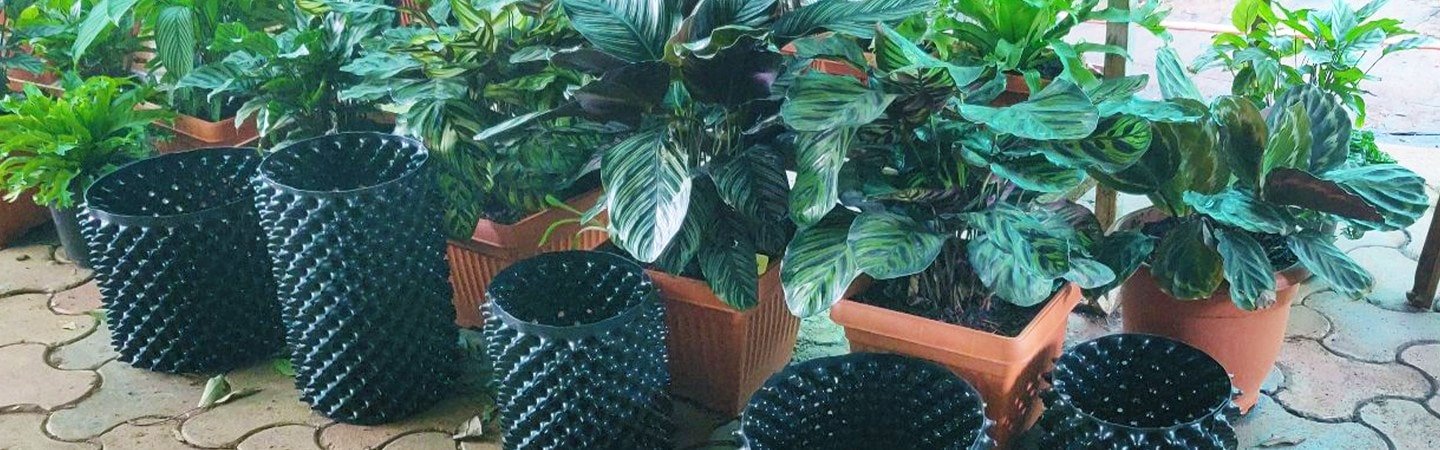
Container design influences how roots develop inside the available growing volume. In a conventional smooth-sided container, roots can continue following the container wall and begin circling.
Air-pruning pots approach this differently. When growing root tips reach the air-exposure areas of the container, those tips stop extending and additional lateral roots develop behind the pruning point. The objective is a denser, more fibrous root structure rather than continued root circling along a smooth container wall.
The Right Pot range is available in capacities from 7 to 55 litres, allowing the concept to be used across different plant sizes and container-growing applications.
Right Pot Plus extends the same approach by incorporating a water reservoir at the bottom of the container. This can increase the interval between irrigation events and support moisture availability during demanding conditions. These containers are relevant to nurseries, terrace cultivation and other indoor or outdoor container-growing applications.
9. Anti-Insect Nets for Pest Exclusion
Insect netting works at the boundary of the protected growing environment. Instead of responding only after insects have entered the crop, the net acts as a physical exclusion layer at greenhouse and protected-cultivation openings.
The available range includes standard HDPE insect netting and Ginegar Opinet.
Standard insect netting is intended for greenhouse, shade-net-house and tunnel applications where physical exclusion needs to be balanced with ventilation and structural durability. The supplied range includes 40/50-mesh configurations and 105–135 GSM options.
Ginegar Opinet uses a 50-mesh HDPE construction together with optical pest-deterrence technology. It therefore combines the physical barrier of the mesh with an additional optical mechanism intended to disrupt approaching insects.
How to Think About Farm Inputs as One Polyhouse System
The biggest mistake when looking at polyhouse inputs is to see every item independently. A better approach is to start with the production system and then identify the materials needed at each layer.
Start at the ground. Decide whether crop beds require mulching and whether greenhouse floors or pathways need woven ground cover.
Then consider the root zone. Soil-based beds, soilless troughs and elevated strawberry containers have different requirements. The growing system determines which container or bed-management inputs are relevant.
Move upward to crop support. Trellised crops may require twine, clips and hooks, while particular fruit crops may benefit from dedicated crop or bunch covers.
Finally, look at the protected environment itself. Insect nets, ventilation components, film-locking hardware, repair materials, curtain systems and other greenhouse accessories help maintain the structure and growing environment around the crop.
This system-based approach also prevents unnecessary overlap. A weed mat should not be selected to perform the job of crop-bed mulch, and a crop cover should not be confused with an insect-exclusion net installed around the protected structure. Each input should solve the specific requirement it was designed for.
Choosing the Right Farm Inputs for Polyhouse Farming
There is no single farm-input combination that applies to every protected-cultivation project. A soil-grown vegetable polyhouse, a soilless vine-crop setup, an elevated strawberry system and a commercial nursery can all require different combinations of materials.
Selection should therefore begin with practical questions: What crop is being grown? Is production soil-based or soilless? Does the crop require trellising? What type of drainage is planned? Which greenhouse areas need ground cover? Is insect exclusion required? Are specialised nursery, fruit-protection or weather-protection materials needed?
Once those requirements are clear, the nine groups covered above provide a useful framework for planning the supporting inputs around the polyhouse rather than purchasing individual products without considering how they fit into the complete cultivation system.
Plan the Right Polyhouse Inputs with AgriFirst
The correct combination of farm inputs depends on the crop, growing system, greenhouse setup and operational requirements.
AgriFirst provides hi-tech agricultural inputs for protected cultivation, including Ginegar mulching films, weed mats, Mapal soilless growing solutions, crop-protection materials, insect nets and greenhouse accessories. Connect with AgriFirst to identify suitable inputs for your cultivation setup.