Protected Cultivation For Small Farms in India: What to Check Before You Invest
Protected cultivation can work on a small farm, but building a polyhouse or net house is only the beginning. Water, labour, crop monitoring, pest control, repairs, grading, packing, transport and changing market prices all need attention.
Before investing in protected cultivation for a small farm in India, look beyond the subsidy. Ask what you will grow, who will buy it, whether your water and local weather are suitable, and how you will fund and manage the crop after construction.
A polyhouse or net house offers more protection and control, but cannot guarantee a good crop or selling price. The complete farm plan matters.
First Understand What You Are Building
Protected cultivation means growing crops inside structures that provide some protection from outside conditions. Different structures serve different purposes.
Naturally Ventilated Polyhouse
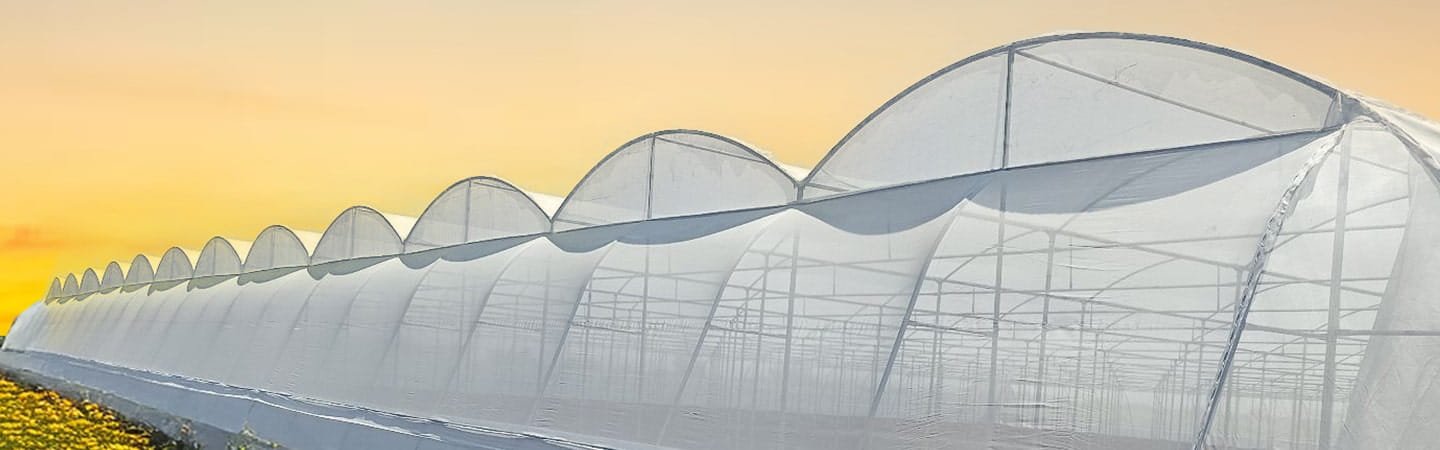
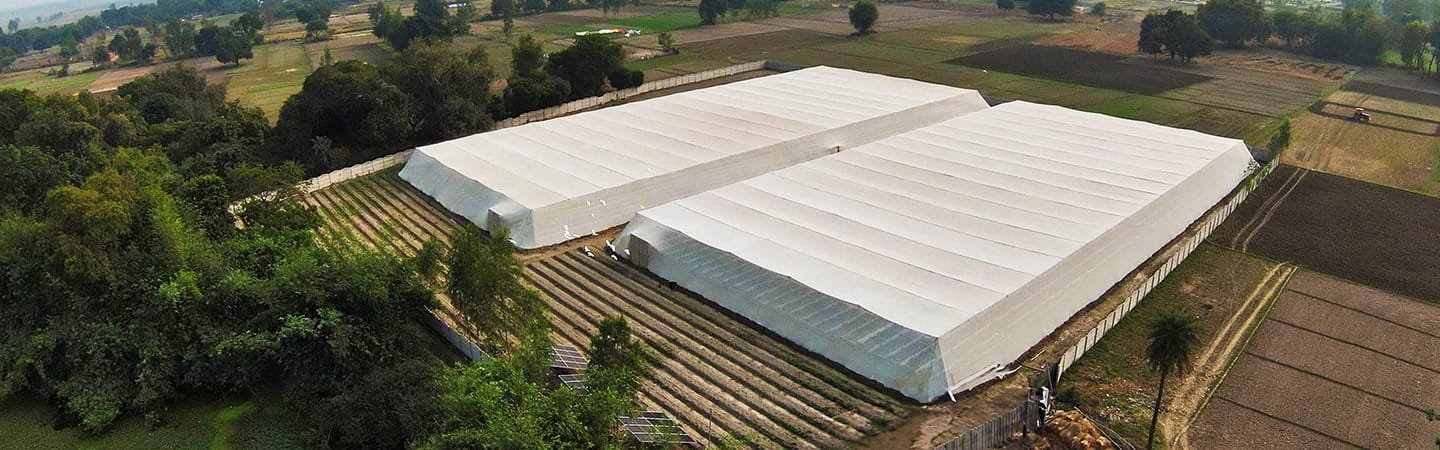
A naturally ventilated polyhouse is covered with greenhouse film and has openings on the sides and roof for ventilation.
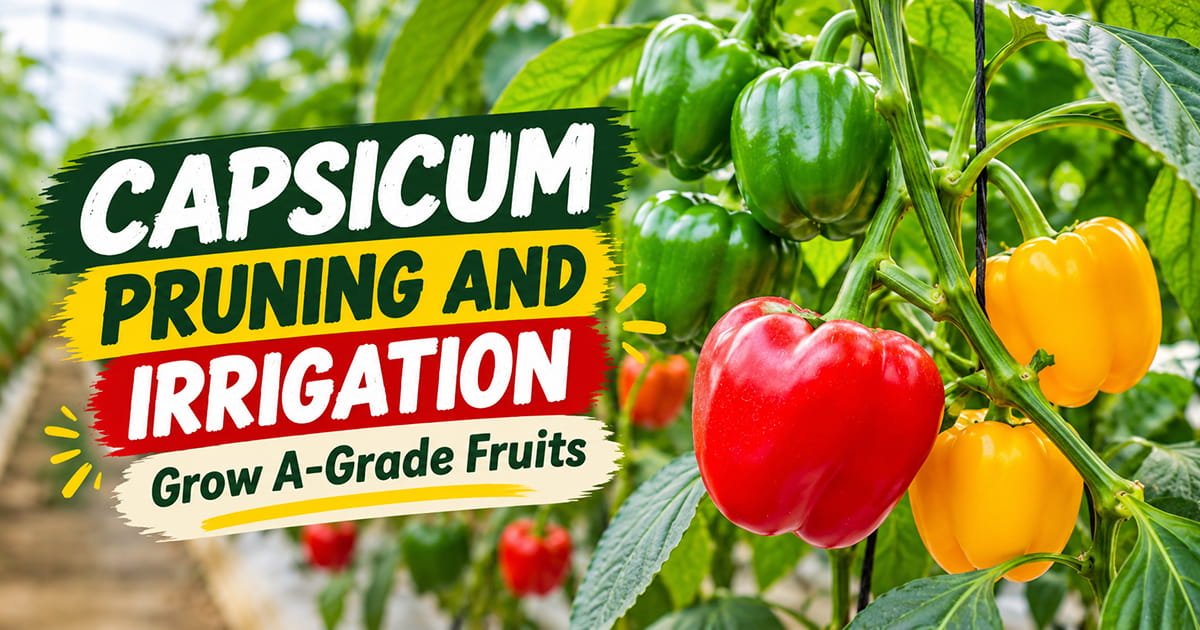
It is commonly used for crops such as coloured capsicum, cucumber, tomato and selected flowers when the local weather and growing system are suitable.
It does not mainly depend on mechanical cooling.
But that does not mean temperature and humidity will automatically remain suitable. Structure size, outside weather, ventilation, insect net, crop growth and season all affect conditions inside.
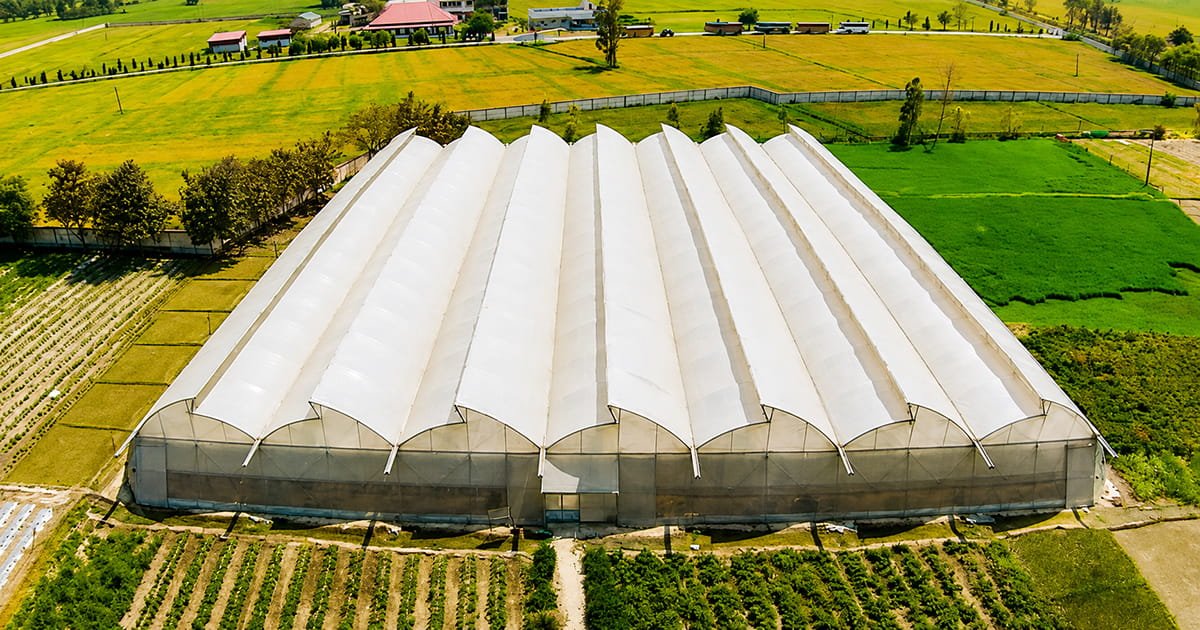
Net House
A net house mainly uses agricultural netting. Its performance depends on the net type, mesh size, shade percentage and structure design.
It can be used for selected vegetables, nursery plants, planting material and crops needing partial protection.
A net house is not simply a cheaper polyhouse: the two provide different protection levels. Choose according to the crop and local conditions, not just price.
Fan-and-Pad Greenhouse
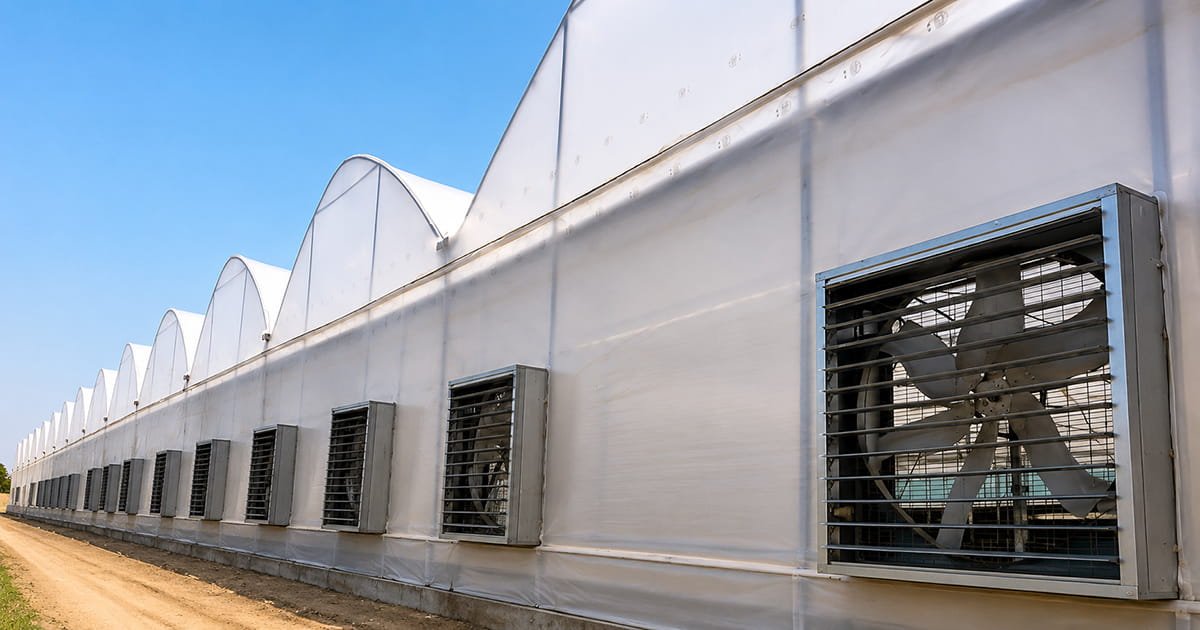
This greenhouse uses exhaust fans and cooling pads to manage conditions inside more actively.
That also means it needs more dependable electricity, water, maintenance and technical attention.
For a first-time farmer, extra technology should have a clear reason behind it. The crop and market should justify the additional investment.
Walk-In and Plastic Tunnels
Walk-in and plastic tunnels can support seasonal crops, nursery raising or partial weather protection. They need less infrastructure than permanent commercial greenhouses but provide a different level of protection.
Do Not Build First and Decide the Crop Later
In any polyhouse investment guide, the crop and market should come before the structure.
First understand the market, then assess the crop, local weather, water and your ability to manage it. Only then choose a suitable structure.
The structure should serve the farm. The farm should not be forced to fit a structure that has already been built.
Practical farm experiences may help when comparing options. See AgriFirst’s farmer success stories.
Find the Buyer Before You Plant
A protected crop still needs a buyer. Visit the market before investing and ask:
- Who buys this crop?
- How much do they normally buy?
- What quality do they want?
- Will you sell through a mandi, wholesaler, retailer, aggregator, FPO, hotel supplier or direct market?
- How far is the buyer from your farm?
- How quickly does the produce need to reach the buyer?
Do not base your calculation on the highest price you have heard. Prices fluctuate, harvest grades differ, and packaging, transport and poor post-harvest handling affect returns.
A protected structure may help you grow the crop under better-controlled conditions. It cannot create a buyer.
Test the Water Before Spending on the Structure
Available water is not necessarily suitable. Test the source before finalising the crop and irrigation plan.
Check pH, electrical conductivity and salts, and interpret the laboratory report for your intended crop. These factors can affect nutrition, roots and drip irrigation.
Also confirm adequate water during peak crop demand, and plan storage, filtration, pumping and backups before planting. Discovering a water problem afterward is much harder.
Walk Around the Land Before Finalising the Project
Empty land is not automatically suitable. Inspect the site before construction:
- Is the land level, or does it need levelling?
- Where does rainwater go?
- Does water collect anywhere after heavy rain?
- Does the area receive enough sunlight?
- Are nearby trees or buildings creating shade?
- Is the site exposed to strong winds?
- How far away is the water source?
- Is electricity available if your equipment needs it?
- Can vehicles reach the farm?
- Is there space for drainage and movement around the structure?
- If you expand later, is there space to do it?
Drainage deserves special attention: a plastic roof may keep rain off the crop, but runoff from surrounding land can still enter and cause problems inside or around the structure.
What Does a Small Farm Greenhouse Cost?
There is no universal figure for small farm greenhouse cost. The full budget goes beyond the structure quotation and may include:
- Structure and site: Protected structure
- Land levelling
- Site development
- Drainage
- Water storage
- Pump
- Filtration
- Drip irrigation
- Fertigation equipment
- Bed preparation
- Growing media where required
- Mulching
- Crop support
- Crop establishment and operation: Planting material
- Fertilisers
- Crop-protection inputs
- Labour
- Harvest and marketing: Harvesting
- Grading
- Packaging
- Transport
- Repairs and replacement
- Working capital: Money required to run the crop until enough harvest income starts coming in
The farm starts spending before it starts earning.
Construction and crop-running money are different. Spending everything on the structure can leave too little for inputs, labour, harvesting, packing and transport.
For an early estimate, use the AgriFirst Polyhouse Investment Calculator as a planning reference, not a final quotation. Actual costs depend on location, structure and farm conditions.
Five Numbers to Work Out Before Investing
Do not rely on someone else’s “profit per acre.” Calculate these five figures for your own farm:
1. Total Project Investment
How much money is actually required to make the farm ready to operate?
Do not calculate only the steel and covering material.
2. Your Contribution
After considering the applicable subsidy and finance, how much money must you arrange yourself?
3. Crop Running Cost
Include crop inputs, workers, energy, maintenance, packaging and transport.
4. Break-Even Selling Price
At approximately what selling price will your realistic production and marketing costs be covered?
5. Working Capital
How much cash will you need before enough crop income starts coming back into the farm?
Test both your expected and a cautious selling price. If the project works only with unusually high yield and prices, there is little room for setbacks.
What About NHM and NHB?
NHM and NHB are different subsidy routes:
- NHM: protected cultivation projects can be considered up to 4,000 square metres.
- NHB: protected cultivation projects are generally considered from 4,000 square metres and above.
Exact subsidy, eligible items, approval process and requirements vary by scheme, state, beneficiary category and project. Check the applicable process before construction or major payments.
Subsidy can ease investment pressure, but cannot make a weak crop or market plan profitable.
For related subsidy and planning topics, see AgriFirst farming blogs.
Choose the Crop After Checking the Market
Protected cultivation can be used for different types of crops.
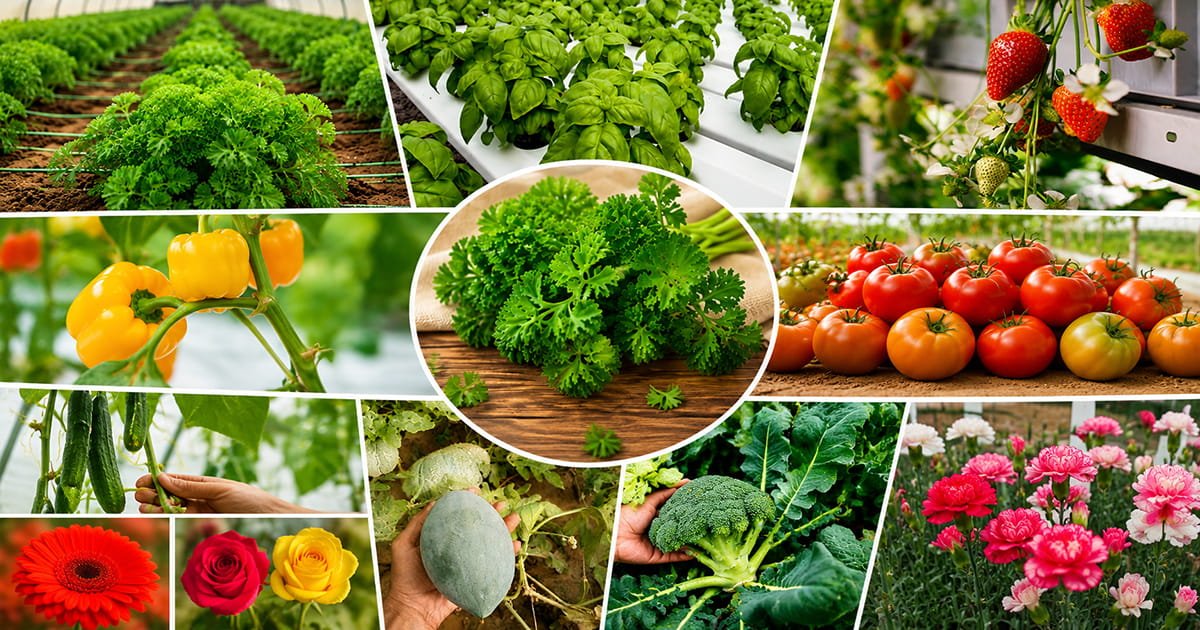
- Vegetables: coloured capsicum, cucumber, tomato, broccoli and other suitable high-value vegetables
- Flowers: gerbera, rose, carnation and other commercial flower crops
- Herbs: parsley, basil, celery and other crops where a suitable market exists
- Selected fruits: strawberry or muskmelon where the structure, climate and commercial plan are suitable
These are examples, not a promise that every crop will work on every farm.
Before selecting one, check whether it matches your local weather, water, structure, planting-material availability, crop duration, disease pressure, labour, buyer demand, transport distance and expected harvest period.
Do not grow a crop only because another farmer is earning from it.
Their market may be different.
Their water may be different.
Their management may also be different.
For a first commercial project, properly managing one crop may be more practical than trying several unfamiliar crops together.
Prepare the Crop Area Properly
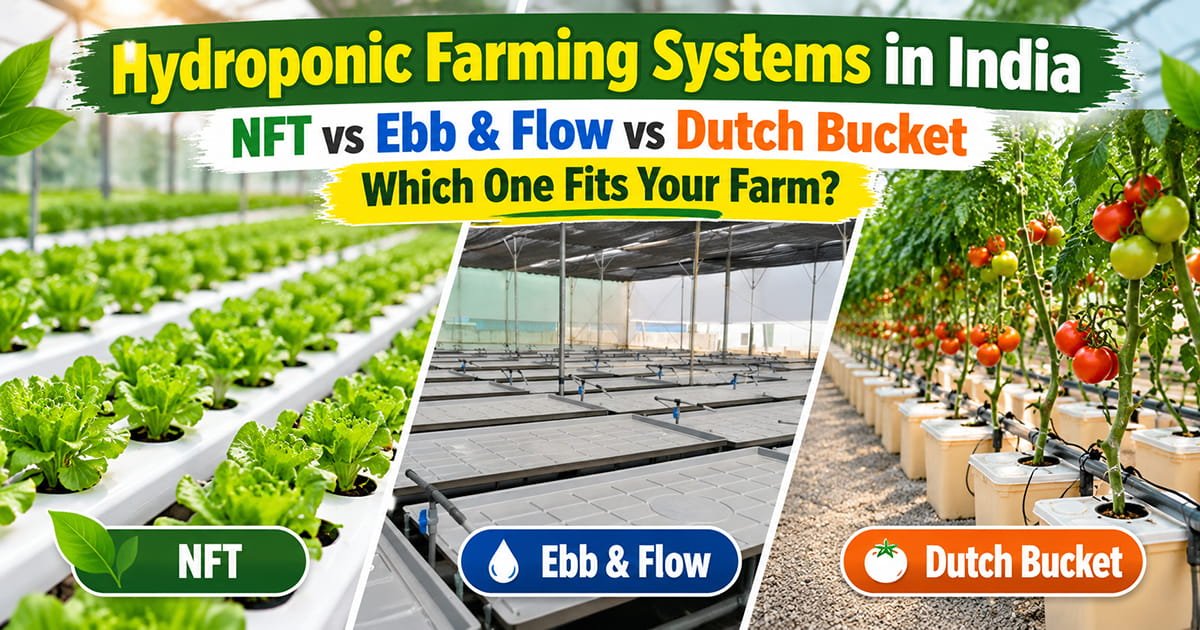
A completed structure is not yet ready for planting. Soil-grown crops may need soil testing, drainage correction, suitable soil additions, organic matter and raised beds according to crop needs.
Raised beds define the root area and can simplify irrigation, mulching, spacing and crop work. Do not copy dimensions blindly: bed width, height and spacing must suit the crop, soil, structure and irrigation layout.
Finish the Drip System Before Planting
Complete and test irrigation before transplanting. The water source, pump, filters, mainline, sub-main, drip lines and fertigation equipment should all work.
Check:
- Water pressure
- Drippers
- Leaks
- Blocked drippers
- Whether water is spreading properly
- Filters
- Fertigation equipment
Young plants can be affected quickly by an incomplete or faulty irrigation system.
Protected Cultivation Needs Regular Work
Protected cultivation requires regular work, not just one or two checks a week. Tasks may include:
- Irrigation
- Fertigation
- Checking temperature and humidity
- Ventilation
- Training plants
- Pruning
- Watching for pests and diseases
- Keeping the farm clean
- Harvesting at the correct stage
- Grading and packing
Labour hours vary by crop and farm, but regular attention is essential.
What Usually Goes Wrong?
Protected cultivation reduces some outside exposure but does not remove farming risk.
Pests and Diseases Still Come
A polyhouse is not pest-proof. Depending on crop and location, thrips, whiteflies, aphids, mites and diseases can still become serious. Regular checks help catch problems before they spread.
Plastic and Nets Need Repairs
Poly film, netting, insect screens and other materials need repairs and eventual replacement. Their life depends on quality, installation, weather, chemical exposure and maintenance. Budget for these net house farming risks and polyhouse costs.
Labour Keeps Coming
Labour continues after planting. Cucumber, tomato, capsicum and flower crops may need repeated training, tying, pruning, harvesting and grading. Treat labour as a recurring crop expense.
Crop Protection Costs Continue
Monitoring traps, farm cleanliness, biological measures where suitable and registered crop-protection products can create recurring expenses.
A Good Crop Can Still Lose Value After Harvest
Good produce can lose value through rough handling, delayed transport, poor grading or unsuitable packaging. Calculate the cost of getting it to the actual buyer.
Market Prices Can Fall
Test what happens when the selling price is lower than expected, rather than relying on one unusually good price. Identify any financial difficulty before investing.
Common Mistakes Worth Avoiding
- Starting construction before understanding the subsidy process
- Selecting the structure before deciding the crop
- Making calculations from one high market price
- Skipping water testing
- Ignoring drainage
- Copying another farmer's fertigation programme
- Underestimating regular labour
- Building mainly because subsidy is available
- Starting to search for buyers only after the harvest is ready
Many of these mistakes occur before planting, which is why early planning matters.
Does Protected Cultivation Fit Your Small Farm?
A project has a stronger base when:
- Suitable water is reliably available.
- The land has workable drainage and access.
- The structure matches the crop and local weather.
- There is a realistic buyer for the crop.
- Enough working capital is available.
- Technical crop guidance is available.
- Regular farm work can be managed.
- The numbers still look workable when yield and selling-price assumptions are kept cautious.
Address weak areas before expanding. A smaller farm still needs sound planning:
Even a 1,000-square-metre structure needs correct engineering.
A 2,000-square-metre crop still needs a market.
A 4,000-square-metre project still needs water, labour, crop management and working capital.
Do not aim simply to build the maximum area. Build an area you can finance, grow, manage and sell from.
What You Can Check Tomorrow Morning
Before contacting a supplier, inspect your land for drainage, sunlight, shade, wind, water access, roads and electricity where needed. Test the water, then visit potential buyers to understand crop quality, quantity and pricing.
Calculate the full project cost, not just the structure quote. Include crop-running expenses, labour, repairs, packaging, transport and working capital. Check the subsidy process before construction or major spending.
If you still need help matching land, crop and structure, speak with the AgriFirst team before finalising the project.
Final Takeaway
Protected cultivation for small farms in India offers greater control over growing conditions, not guaranteed profit.
Start with market, water and land; then check the crop, full costs, working capital and subsidy process before choosing a structure. AgriFirst supports protected cultivation planning, structure selection and crop guidance, but the project must suit each farmer’s conditions and budget.
Pipes, plastic and nets are the visible part of protected cultivation.
The important work starts before they are installed.