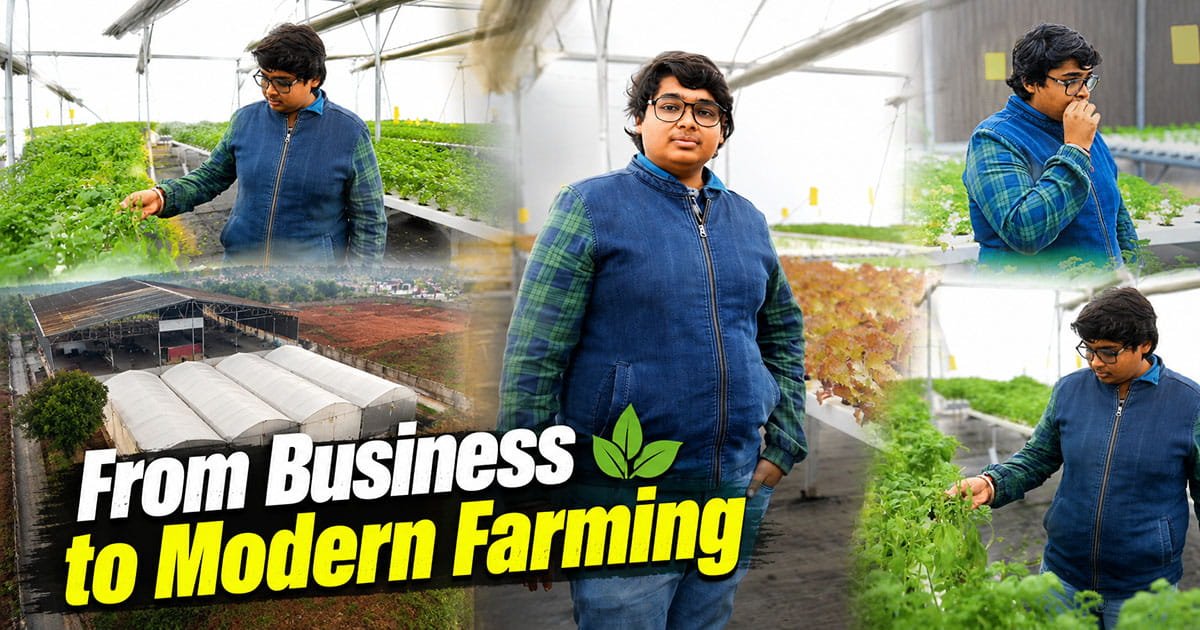
From Chemical Manufacturing to Modern Farming: Shivank Bansal's Journey of Research, Innovation, and Protected Cultivation
India's agricultural sector is witnessing a transformation as young entrepreneurs embrace technology-driven farming practices and explore innovative cultivation methods. One such inspiring story is that of Shivank Bansal from Banthra, Uttar Pradesh, who transitioned from a chemical manufacturing family background into the world of modern agriculture through determination, research, and continuous learning.
Today, Shivank is the founder of Agro Shield, an agricultural venture focused on protected cultivation, crop research, and the production of healthy, high-quality crops. His journey demonstrates how modern farming technologies, controlled-environment agriculture, and protected cultivation can create profitable opportunities for aspiring agri-entrepreneurs.
This protected cultivation success story highlights how research, innovation, and modern farming technologies helped Shivank build a thriving agricultural venture in Uttar Pradesh.
Meet the Farmer Entrepreneur
Shivank Bansal comes from a business family engaged in chemical manufacturing. Entrepreneurship was always part of his upbringing, and after completing his BBA from Dehradun and gaining some professional experience, he wanted to establish a business of his own.
While exploring various industries and business opportunities, he conducted extensive research into sectors with long-term growth potential. During this period, his Chartered Accountant introduced him to the concept of modern agriculture and protected cultivation. What started as a simple suggestion soon became a life-changing opportunity.
Although agriculture was completely new to him, Shivank became fascinated by the possibilities offered by technology-driven farming. He spent countless hours researching polyhouse farming, greenhouse cultivation, controlled-environment agriculture, and emerging trends in the agricultural sector.
Protected Cultivation Success Story: Discovering the Potential of Modern Farming
During his research journey, Shivank came across AgriFirst and learned more about modern protected cultivation technologies. As someone entering agriculture with no prior experience, understanding how companies like AgriFirst were helping farmers adopt advanced greenhouse and polyhouse solutions gave him confidence to explore the field further.
He studied various polyhouse models, greenhouse structures, crop protection systems, and modern cultivation techniques. The quality of agricultural infrastructure, durability of covering materials, and long-term performance of protected cultivation systems became important factors in his research.
His curiosity continued to grow as he attended agricultural summits, interacted with industry experts, and participated in discussions focused on the future of farming.
Research Before Investment
Unlike many entrepreneurs who rush into investments, Shivank believed in understanding the industry first.
Before entering farming, he spent considerable time researching vegan meat and plant-based food systems. His project focused on exploring sustainable alternatives to conventional meat products. Through this work, he developed a broader understanding of agriculture, food production, and future food security challenges.
At the same time, one of his elder brothers was cultivating cordyceps using tissue culture techniques. Watching innovative agricultural methods produce successful results inspired Shivank to explore farming more seriously.
This combination of research, observation, and curiosity eventually convinced him that agriculture had enormous potential for innovation and entrepreneurship.
Starting Small: The First Polyhouse Trial
Rather than investing heavily at the beginning, Shivank decided to start with a small experiment.
A small polyhouse was installed at his residence where he cultivated basil. This initial setup helped him understand the practical benefits of commercial polyhouse farming and protected cultivation systems.
This trial helped him learn about irrigation management, crop monitoring, environmental control, and day-to-day farm operations. More importantly, it helped him understand that successful farming requires patience, observation, and continuous improvement.
The positive results from the basil trial encouraged him to think about scaling up operations and investing further in protected cultivation.
The First Failure and a Valuable Lesson
Every successful entrepreneur faces setbacks, and Shivank's journey was no exception.
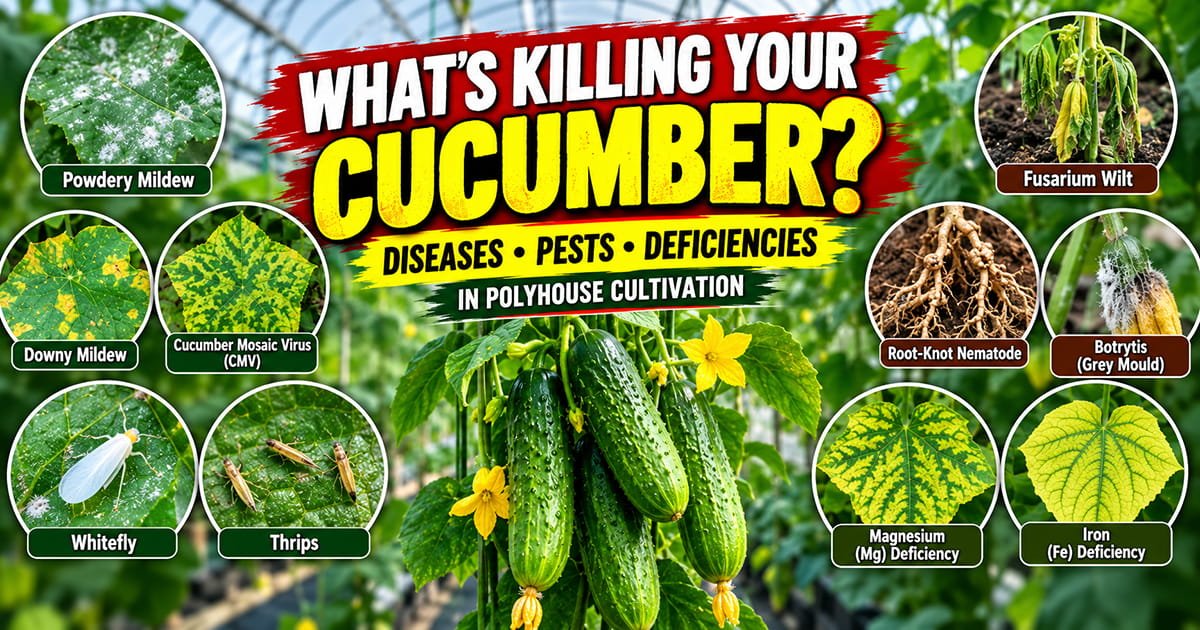
His first crop grown under a polyethylene-covered structure was completely destroyed due to fungal infection. The loss was disappointing, especially for someone new to farming.
However, the experience changed his perspective forever.
According to Shivank, losing that crop gave him a much deeper appreciation for the challenges farmers face every season. Farmers constantly battle pests, diseases, changing weather conditions, water shortages, and market fluctuations while trying to ensure successful harvests.
Instead of becoming discouraged, he used the setback as a learning opportunity. He invested more time in understanding crop management practices, disease prevention techniques, and protected cultivation systems.
Building a Research-Driven Agricultural Venture
One of the most distinctive aspects of Agro Shield is its focus on agricultural research.
Rather than concentrating solely on conventional crops, Shivank continuously experiments with high-value and difficult-to-grow crops that are not typically cultivated under the climatic conditions of Lucknow and surrounding regions.
His ongoing research projects include:
- Saffron cultivation
- Blueberry cultivation
- Off-season crop production
- Protected cultivation technologies
- Controlled-environment farming systems
- Exotic herbs and specialty crops
Many of these crops are suitable for modern protected cultivation systems, allowing farmers to improve crop quality and production consistency.
The goal is to identify innovative opportunities that can improve profitability while overcoming environmental and climatic limitations.
Successfully Growing Saffron Through Innovation
Among Shivank's research initiatives, saffron cultivation has become one of his most remarkable achievements.
Traditionally, saffron requires specific climatic conditions that are difficult to replicate in Uttar Pradesh. However, instead of viewing this as a limitation, Shivank saw it as a challenge worth solving.
To create suitable growing conditions, he developed a fully insulated cultivation room. He engineered a customized cooling solution by converting a window air conditioner into a chiller system and adding a split AC to maintain the desired environmental conditions.
The first saffron cultivation project was conducted in a 90-square-foot room. The results exceeded expectations and demonstrated the potential of controlled-environment agriculture.
Encouraged by this success, Shivank is now planning to expand saffron cultivation into an additional 200-square-foot facility.
His achievement highlights how innovation and technology can enable farmers to cultivate high-value crops beyond their traditional growing regions.
Scaling Operations to a 10,000 Square Meter Farm
After gaining confidence through small-scale trials and research projects, Shivank expanded Agro Shield significantly.
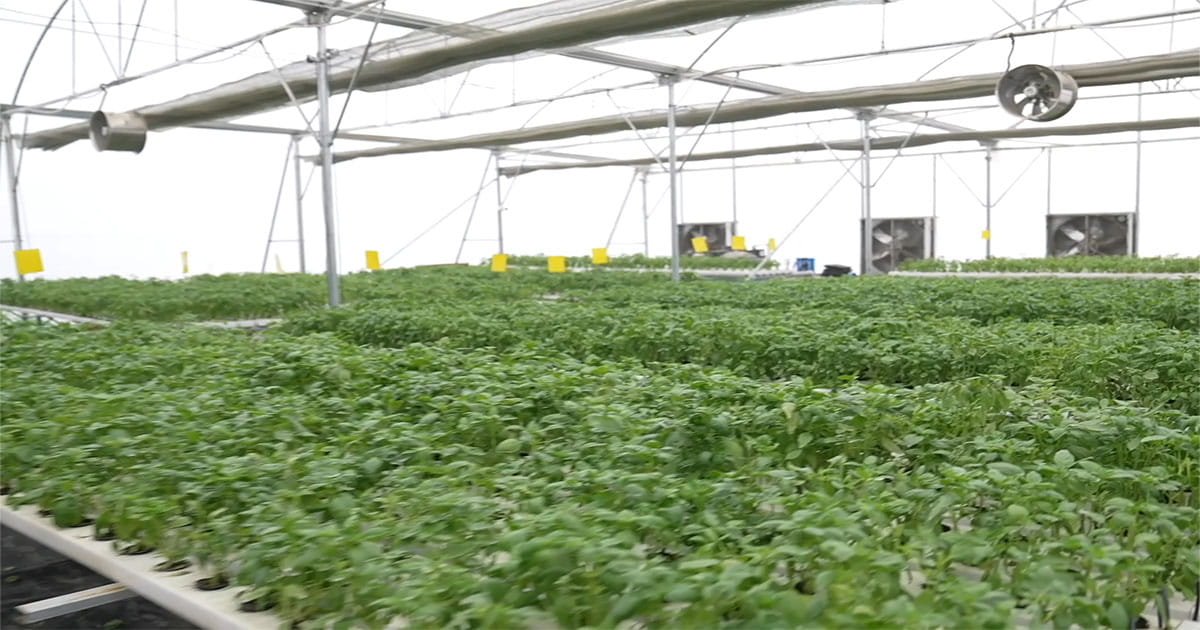
Today, his protected cultivation setup covers approximately 10,000 square meters, allowing him to grow multiple crops under controlled conditions.
During this expansion process, he continued studying different polyhouse structures and greenhouse technologies available in the market. He found the structural quality, engineering standards, and film durability offered by AgriFirst particularly impressive.
According to Shivank, the quality of the structure and covering material plays a major role in the long-term performance of a protected cultivation project. Understanding these technical aspects helped him make more informed decisions while planning expansion.
The larger facility has enabled Agro Shield to improve production efficiency while maintaining better environmental control and crop quality.
Producing Healthy and High-Quality Crops
Agro Shield's focus extends beyond production volumes. The primary objective is to produce clean, healthy, and high-quality crops.
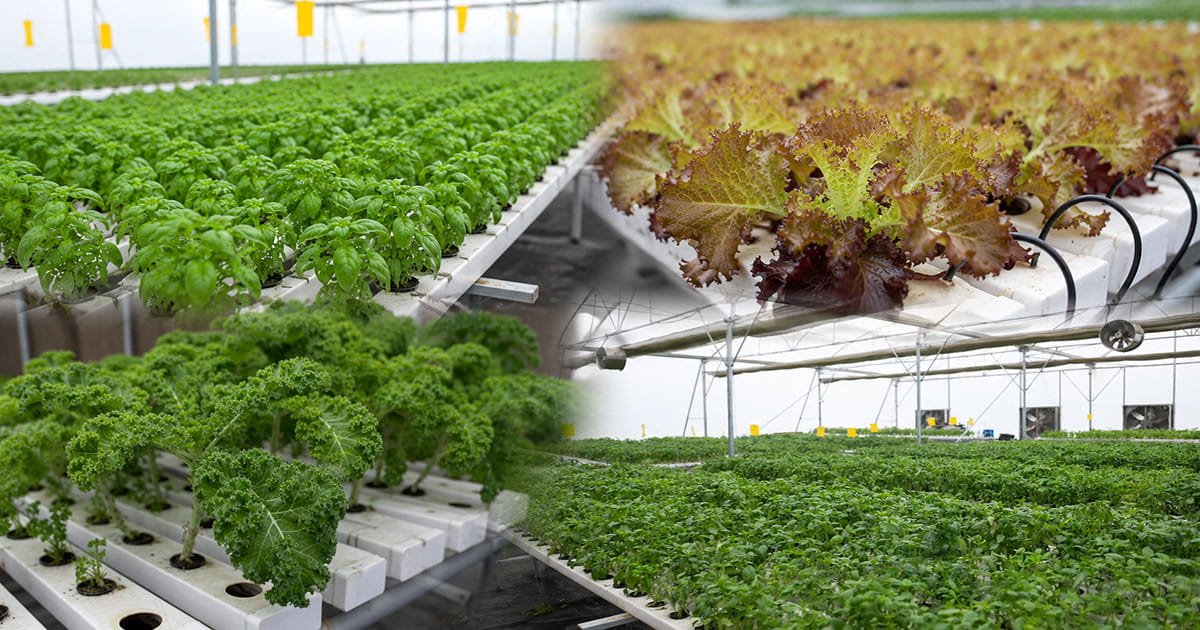
The farm currently cultivates:
- Basil
- Parsley
- Kale
- Curly Kale
- Celery
These crops are known for their nutritional value and growing popularity among health-conscious consumers.
Basil provides antioxidant benefits, parsley supports overall nutrition, kale and curly kale are considered superfoods, and celery is valued for its nutritional profile and health benefits.
According to Shivank, the focus remains on producing crops with minimal chemical intervention while maintaining quality standards that consumers can trust.
Climate Change and the Future of Agriculture
Shivank strongly believes that agriculture is entering a critical phase.
One of the biggest challenges he foresees is water scarcity. As populations continue to grow, pressure on natural resources is increasing, making efficient water management essential for future food production.
Another major concern is climate change. Rising temperatures, unexpected rainfall, extreme weather events, and changing climatic patterns are already affecting agricultural productivity across India.
Traditional open-field farming faces increasing risks from these environmental challenges.
For this reason, Shivank believes protected cultivation will play a crucial role in the future of agriculture. Technologies such as polyhouses, greenhouses, and even hydroponic farming systems can help farmers improve resource efficiency and reduce climate-related risks.
Organizations such as AgriFirst are helping spread awareness about these technologies and encouraging more farmers to adopt modern cultivation systems.
Advice for Young Entrepreneurs and Future Farmers
Having entered agriculture without any prior farming experience, Shivank has a simple but powerful message for aspiring entrepreneurs.
Research thoroughly. Learn continuously. Start small. Experiment carefully. Understand the market before investing heavily.
He encourages young people not to underestimate farming and believes agriculture deserves greater respect and recognition.
According to him, modern agriculture is no longer limited to traditional practices. It is becoming a technology-driven industry that offers tremendous opportunities for innovation, sustainability, and entrepreneurship.
His advice is straightforward:
- Start with small trials.
- Learn from failures.
- Research before investing.
- Visit farms and markets.
- Understand customer demand.
- Adopt modern technologies.
- Never stop experimenting.
Conclusion
Shivank Bansal's journey from a chemical manufacturing background to becoming a modern agri-entrepreneur demonstrates how determination, innovation, and continuous learning can create remarkable opportunities in agriculture.
Through Agro Shield, he has successfully combined entrepreneurship with protected cultivation, crop research, and sustainable farming practices. His work in saffron cultivation, blueberry research, and controlled-environment agriculture highlights the enormous potential of modern farming technologies.
Stories like Shivank Bansal's are inspiring a new generation of agri-entrepreneurs to explore innovation-driven farming. More farmer journeys and agricultural case studies can be explored through AgriFirst's farmer success stories section.
As climate change, water scarcity, and growing food demand continue to challenge traditional farming systems, Shivank's story serves as a powerful example of how innovation and protected cultivation can help build a more sustainable and profitable future for Indian agriculture.
This protected cultivation success story demonstrates how innovation, controlled-environment agriculture, and continuous learning can help build a sustainable future for farming in India.