From Open-Field Farming to Polyhouse Success: Lokesh Kumar and Digambar Singh's Journey in Modern Protected Cultivation
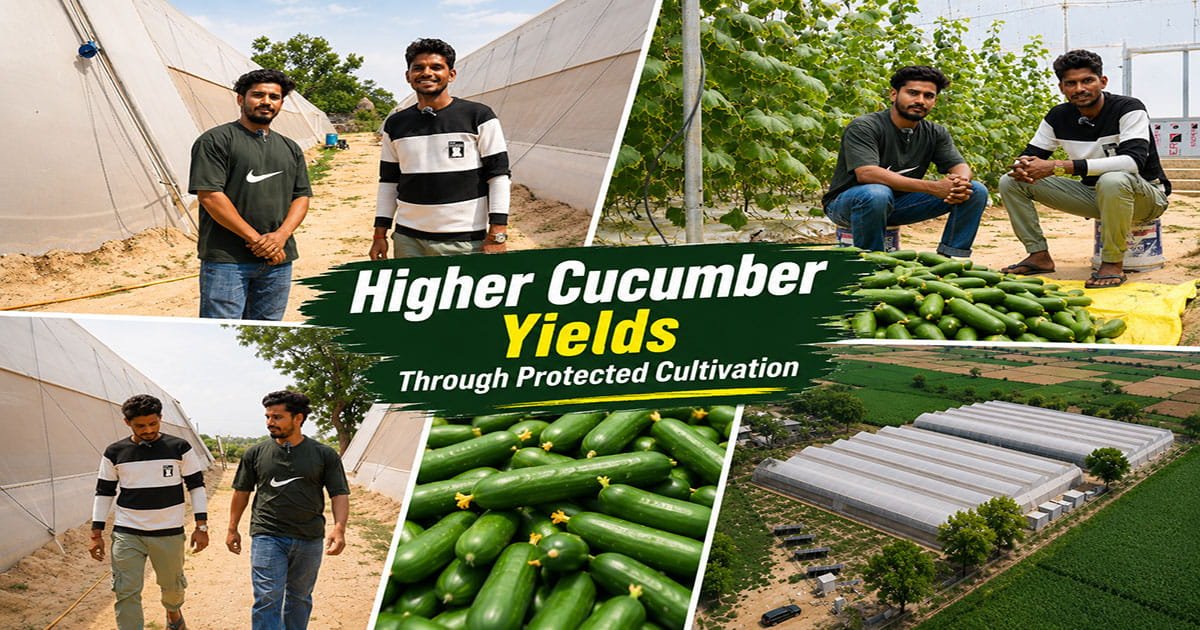
This Polyhouse Cucumber Farming Success Story comes from Hathras, Uttar Pradesh, where Lokesh Kumar and Digambar Singh are successfully managing a 2-acre AgriFirst polyhouse dedicated to commercial cucumber cultivation. Their journey demonstrates how protected cultivation, modern farming practices, and quality infrastructure can transform agricultural productivity and create new opportunities in Indian farming.
Coming from traditional farming backgrounds, both individuals have witnessed firsthand the challenges of open-field farming and the advantages of protected cultivation. Today, they oversee every aspect of polyhouse operations, from crop management and irrigation to harvesting and farm maintenance.
Meet the Farm Managers Behind This Polyhouse Cucumber Farming Success Story
Lokesh Kumar and Digambar Singh manage a 2-acre cucumber polyhouse in Hathras, Uttar Pradesh. Along with overseeing protected cultivation activities, they also have experience working in traditional farming systems.
Their daily responsibilities include monitoring crop growth, managing irrigation schedules, supervising labor, maintaining hygiene protocols, and ensuring that the cucumber crop receives the best possible growing conditions throughout the production cycle.
Their success reflects how modern farming technologies and continuous learning can help achieve higher productivity and better crop quality.
Polyhouse Cucumber Farming Success Story: Managing a 2-Acre AgriFirst Polyhouse
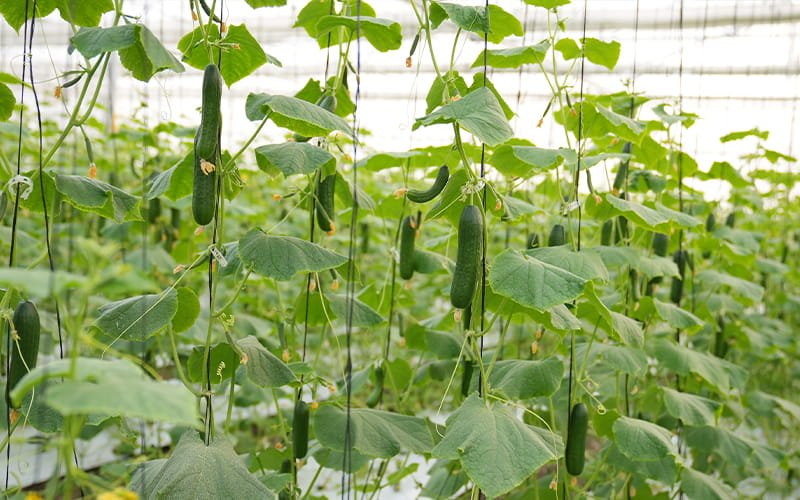
The 2-acre AgriFirst polyhouse is dedicated to cucumber cultivation under protected conditions. During the visit, the crop had been growing for approximately four months and had entered the harvesting stage.
According to Lokesh and Digambar, harvesting was expected to continue for another 20 days, making it one of the most productive periods of the crop cycle.
Commercial cucumber farming inside a polyhouse requires careful planning and regular monitoring. Every stage of cultivation, from planting to harvesting, must be managed precisely to achieve maximum productivity.
Farmers interested in adopting similar protected cultivation technologies can explore various greenhouse and polyhouse solutions designed for commercial vegetable production.
Maintaining Hygiene Standards Inside the Polyhouse
One of the important practices followed on the farm is maintaining strict hygiene standards.
Potassium permanganate is placed at the entrance to help prevent foot-borne diseases and contaminants from entering the cultivation area. Workers also sanitize their hands before entering the structure.
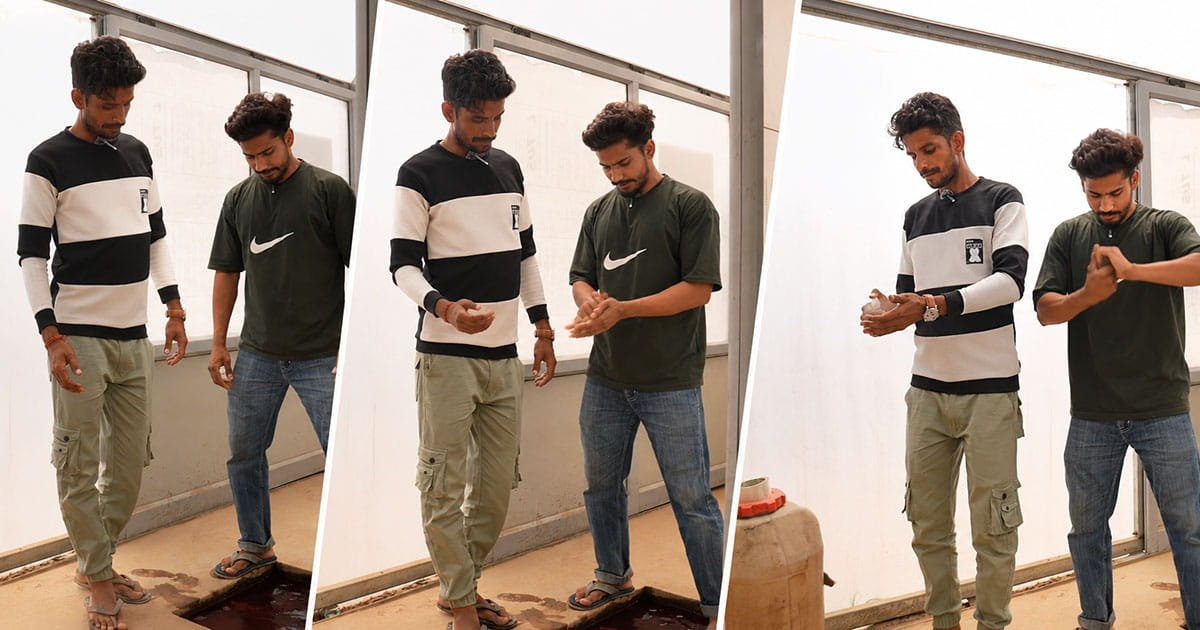
These simple but effective measures help maintain a healthier growing environment and reduce disease risks. In protected cultivation, preventive management plays a crucial role in maintaining crop health and productivity.
From Traditional Farming to Protected Cultivation
Before entering protected cultivation, both Lokesh Kumar and Digambar Singh worked in open-field agriculture.
Digambar Singh cultivated crops such as wheat, paddy, and potatoes, while Lokesh Kumar worked with crops like wheat, bajra, and paddy. Their experience in conventional farming allows them to clearly understand the differences between open-field and polyhouse cultivation.
According to them, protected cultivation provides far greater control over environmental conditions and significantly reduces the risks associated with unpredictable weather.
Polyhouse Farming vs Open-Field Farming
One of the biggest advantages of polyhouse farming is protection from adverse weather conditions.
In open-field farming, unseasonal rainfall during harvesting can damage crops and reduce marketable yield. Strong winds, excessive heat, and sudden weather changes can also negatively impact production.
Inside the AgriFirst polyhouse, crops remain protected from these external challenges. During heavy rainfall or windstorms, side curtains can be lowered and the structure secured, helping maintain favorable growing conditions for the crop.
This additional protection allows farmers to focus on crop performance rather than worrying about weather-related losses.
The growing popularity of commercial polyhouse farming reflects the increasing demand for climate-resilient and high-productivity agricultural systems across India.
Higher Yields Through Protected Cultivation
One of the most impressive outcomes of this project is the increase in cucumber production achieved under protected cultivation.
According to the farm managers, producing 20 tons of cucumbers per crop cycle in open-field farming can be difficult. However, inside the polyhouse, production reaches approximately 35 to 40 tons of cucumbers per crop cycle.
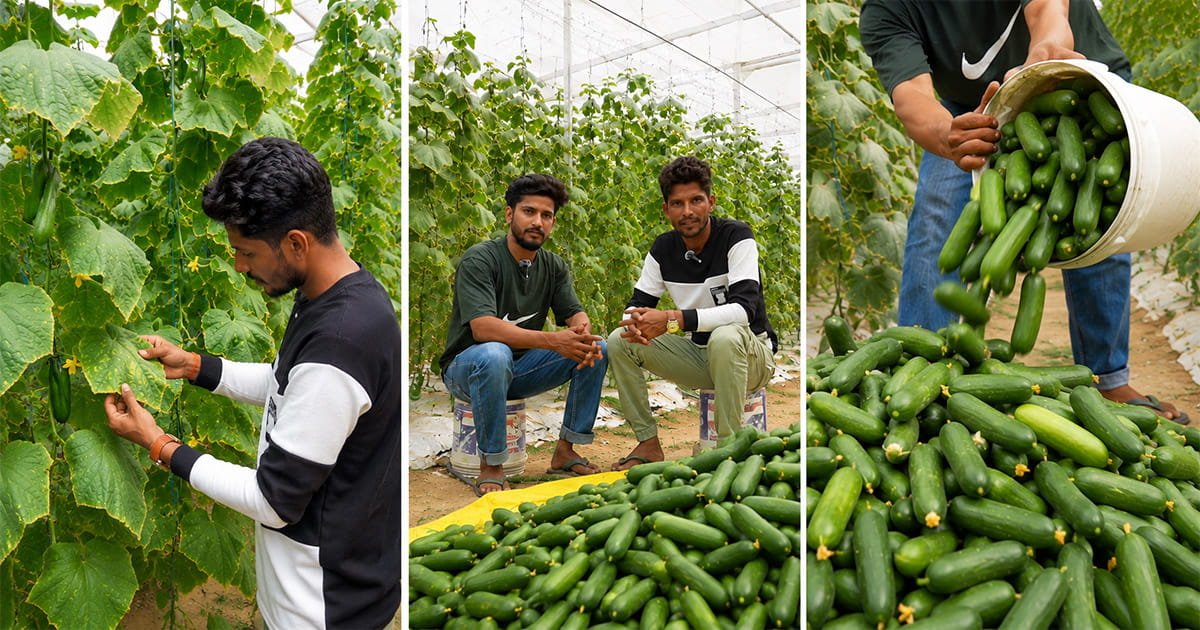
This significant increase in productivity demonstrates why polyhouse cucumber cultivation is becoming increasingly popular among progressive farmers across India.
This example also shows how cucumber farming in polyhouse systems can deliver better productivity and crop quality compared to traditional open-field cultivation.
Higher yields, improved crop quality, and better resource utilization make protected cultivation an attractive investment for modern agriculture.
Many farmers are now exploring different crops suitable for protected cultivation to maximize productivity and profitability throughout the year.
Marketing High-Quality Cucumbers Across Major Markets
The cucumbers produced inside the polyhouse are supplied to several major agricultural markets, including Agra, Aligarh, Ghaziabad, Azadpur Mandi, and Okhla Mandi.
Access to multiple markets allows the farm to distribute produce efficiently and take advantage of market opportunities throughout the harvesting season.
Consistent quality production helps maintain strong demand and supports long-term profitability.
Efficient Water Management Through Drip Irrigation
Water management is a critical component of successful cucumber cultivation.
The farm utilizes raised soil beds equipped with dedicated drip irrigation systems. This allows water to be delivered directly to the root zone according to crop requirements.
Drip irrigation improves water-use efficiency, reduces wastage, maintains optimal soil moisture levels, and supports healthy crop growth.
As water conservation becomes increasingly important, precision irrigation systems are helping farmers improve both productivity and sustainability.
Reduced Pest and Disease Pressure
The enclosed environment of the polyhouse helps reduce exposure to pests and insects.
Because the crop is protected, fewer insecticide and fungicide applications are required compared to open-field farming.
Reduced pest pressure supports healthier crop development, improves produce quality, and helps lower production costs over time.
Why AgriFirst Polyhouse Infrastructure Stands Out
Having worked in multiple net houses and polyhouses, Digambar Singh has experienced different protected cultivation structures throughout his career.
According to him, one of the strongest aspects of the current project is the quality of the AgriFirst polyhouse structure.
He appreciates the height of the structure, the quality of the plastic covering, wires, foggers, and netting material used throughout the project. The overall finishing, durability, and stability of the structure contribute significantly to efficient crop management.
Farmers can explore various polyhouse models and infrastructure options through AgriFirst's protected cultivation product portfolio.
Even during challenging weather conditions, the structure remains strong and reliable, providing confidence for long-term farming operations.
Strong Trellising and Mulching Systems for Better Crop Growth
Cucumber plants require strong support systems throughout the growing cycle.
Inside the polyhouse, a durable trellising system supports plants reaching heights of 10–12 feet. The structure effectively handles the combined weight of the plant and developing fruits, ensuring proper growth and crop support.
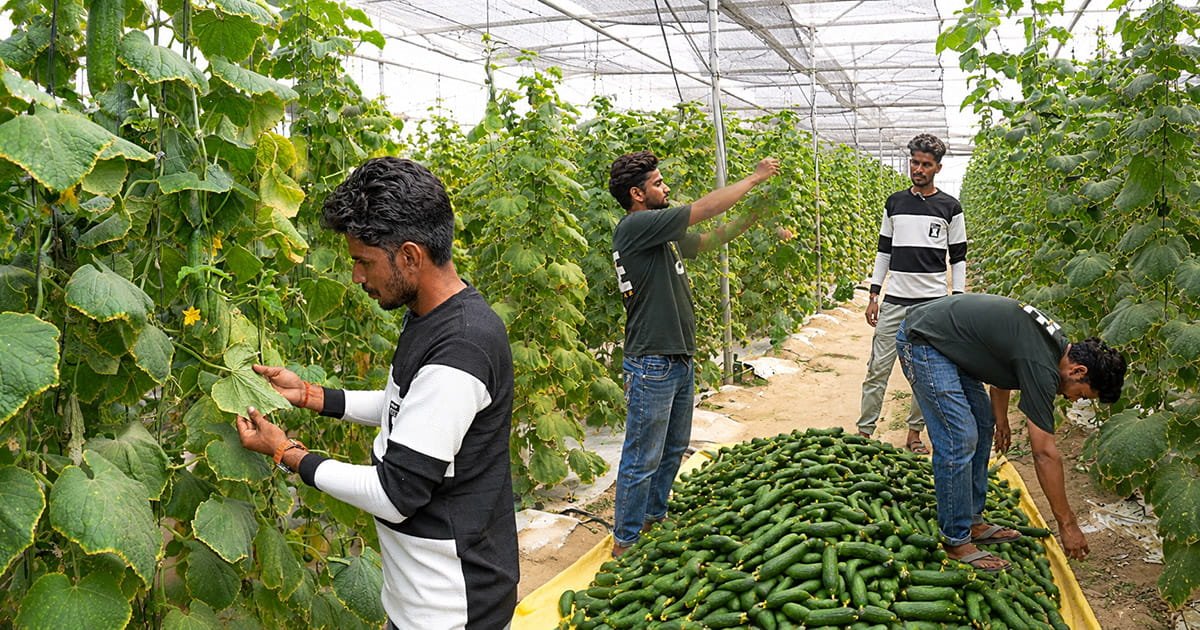
Mulch sheets are also used to maintain soil moisture, reduce weed growth, and improve overall crop management efficiency.
Together, these systems contribute to healthier plants, better yields, and more efficient farming operations.
The Importance of AgriFirst Agronomy Support
Apart from infrastructure, expert agronomy support has played an important role in the success of this project.
Whenever crop-related challenges arise, the AgriFirst agronomy team provides guidance on nutrition management, pest control, disease prevention, irrigation scheduling, and crop development.
This support helps the farm managers make informed decisions and continuously improve their cultivation practices.
For young agricultural professionals like Lokesh Kumar and Digambar Singh, access to technical expertise has been valuable in building confidence and achieving better farm performance.
Continuous Learning and Future Growth
Although the farm owner resides abroad and visits only every few months, continuous communication remains a priority.
Regular Google Meet sessions are conducted to discuss farming strategies, operational improvements, and crop management practices.
This culture of continuous learning has helped both farm managers gain valuable experience in protected cultivation and modern agriculture.
Their journey demonstrates how education, technology, and practical exposure can help build successful careers in Indian farming.
This project is one among several successful protected cultivation initiatives showcased through AgriFirst's farmer success stories, demonstrating how modern agricultural technologies are helping farmers improve productivity and sustainability.
Conclusion
This Polyhouse Cucumber Farming Success Story highlights how protected cultivation is transforming agriculture in India.
From traditional farming backgrounds to successfully managing a 2-acre AgriFirst polyhouse, Lokesh Kumar and Digambar Singh have demonstrated the benefits of modern farming technologies, efficient irrigation, crop protection, and continuous learning.
Higher yields, strong infrastructure, reduced pest pressure, quality AgriFirst support, and expert agronomy guidance have all contributed to the success of this cucumber farming project.
The success of this project highlights the growing potential of protected cultivation and commercial cucumber farming in India.
As more farmers explore protected cultivation, stories like theirs continue to show how modern agriculture can create a more productive, profitable, and sustainable future for Indian farming.